


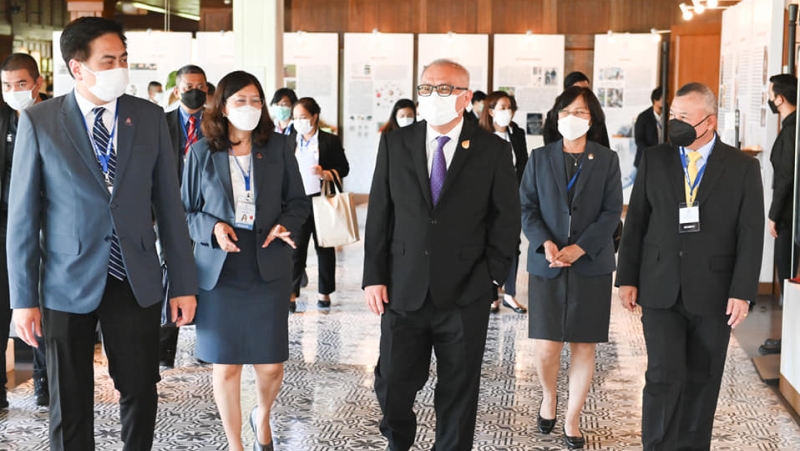
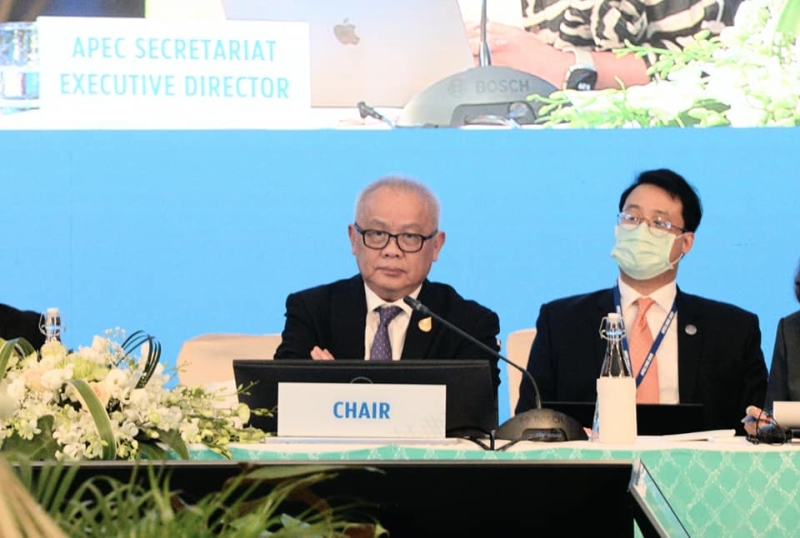
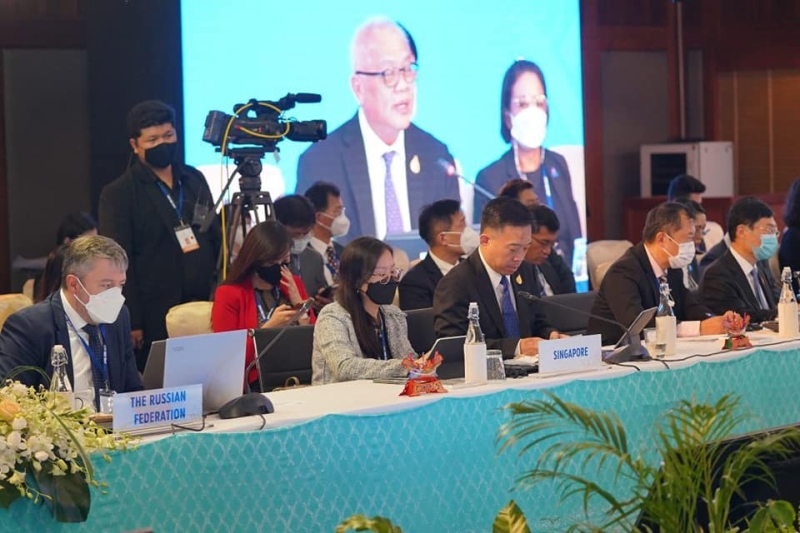
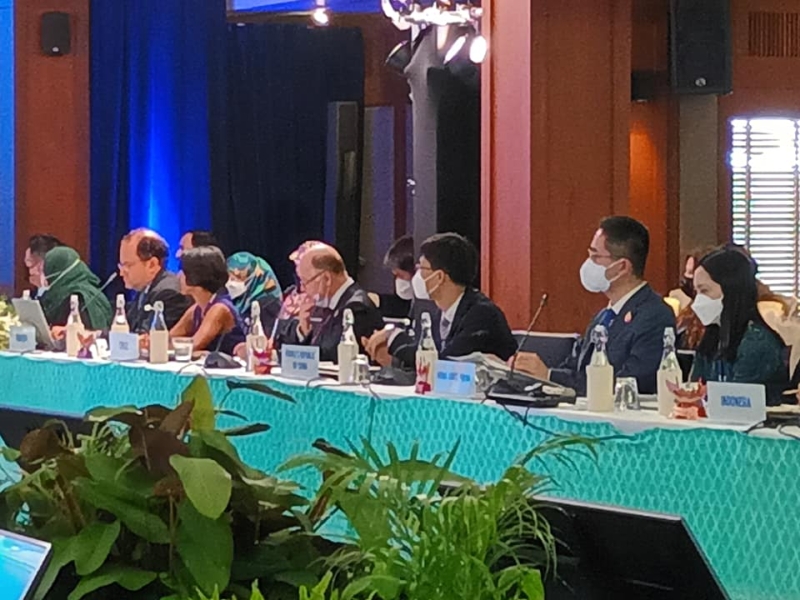
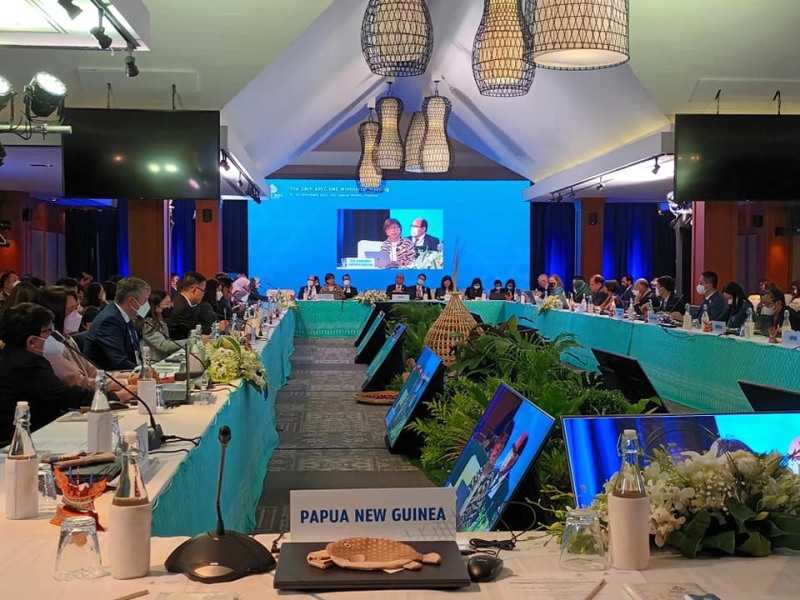
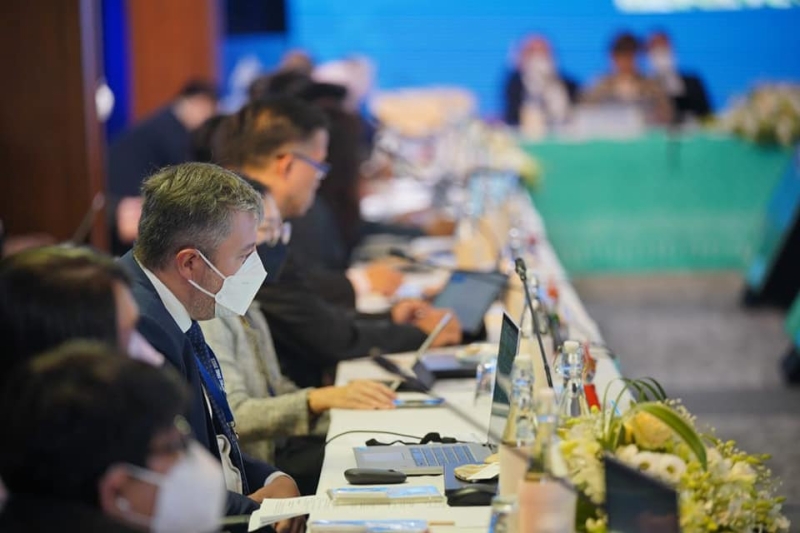
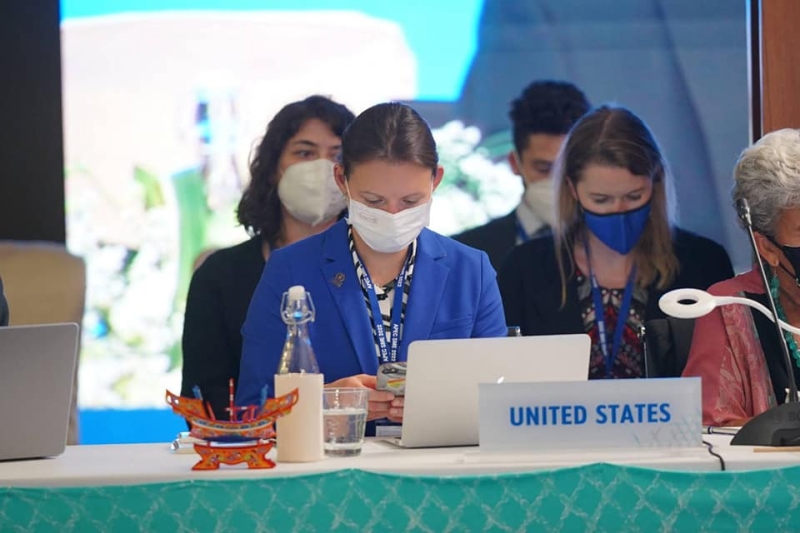
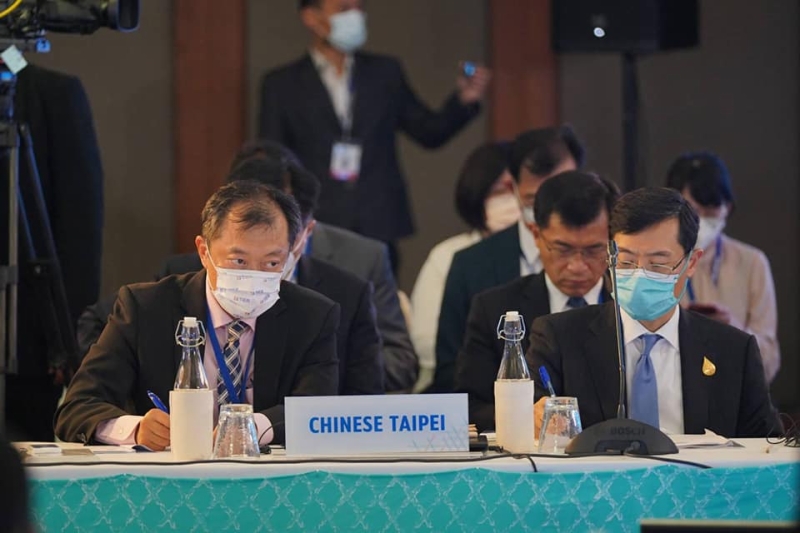

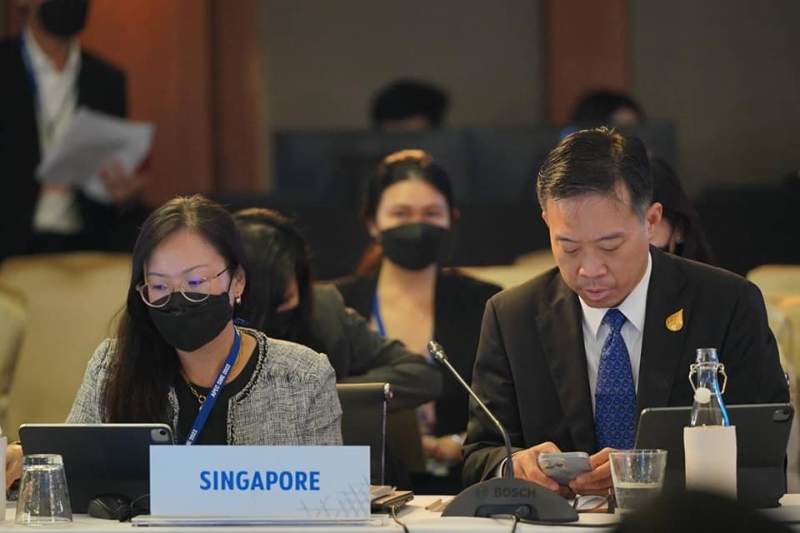
Mr Supattanapong, who also serves as Minister of Energy, was speaking at the 28th APEC SME Ministerial Meeting underway at Sai Laguna Phuket, where almost 300 representatives from 21 APEC economic zones are attending both onsite workshops and online forums to discuss trends and issues affecting MSMEs.
“MSMEs are important to driving the economy and prosperity of the region. More than 98% of businesses in the region are MSMEs, which can generate economic value from 40-60% of APEC’s GDP,” Mr Supattanapong said.
Among those present and taking part in the talks are representatives from the United States, Russia, Thailand, Singapore, Taiwan, Japan and South Korea.
The main theme of the series of talks is the overall recovery of SMEs in APEC through Bio-Circular-Green Economy (BCG) and high-impact ecosystems, Mr Mr Supattanapong said.
The talks are focussed on four subtopics:
- Accelerate the application of bio-economy circular economy and green economy (Accelerating BCG Adoption);
- Inclusive Digital Transformation;
- The Next Normal MSME Financing and Debt Restructuring; and
- Coping with developing markets and change (Coping with evolving market landscape: high impact policy).
The subtopics were all in line with international focus and cooperation to accelerate the [United Nations] Sustainable Development Goals, Mr Supattanapong said.
The talks will conclude today (Sept 10), with a framework for the APEC region’s trade and investment system, he noted.
The framework is to be “flexible, comprehensive and more dynamic through collaboration in order to achieve free, open, fair and transparent trade by promoting quality growth for the benefit and well-being of the people,” Mr Supattanapong said.
“For MSME entrepreneurs, this includes support for startups, increasing access to MSME funding, access to global markets and global value chains, to empower and prepare MSMEs to face new challenges and effectively contribute to the wider economy,” he said,
“Importantly, it will help MSMEs recover through the application of BCG and a high-impact ecosystem by leveraging technology and innovation to create value, reduce waste generation and promote a sustainable business model,” he concluded.