


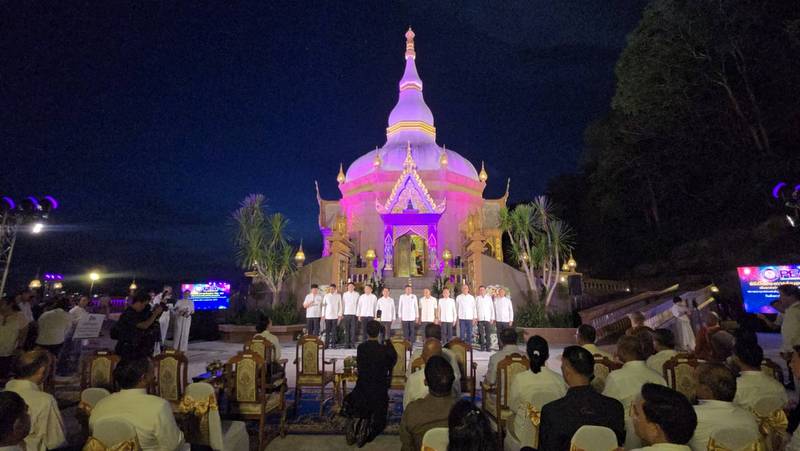
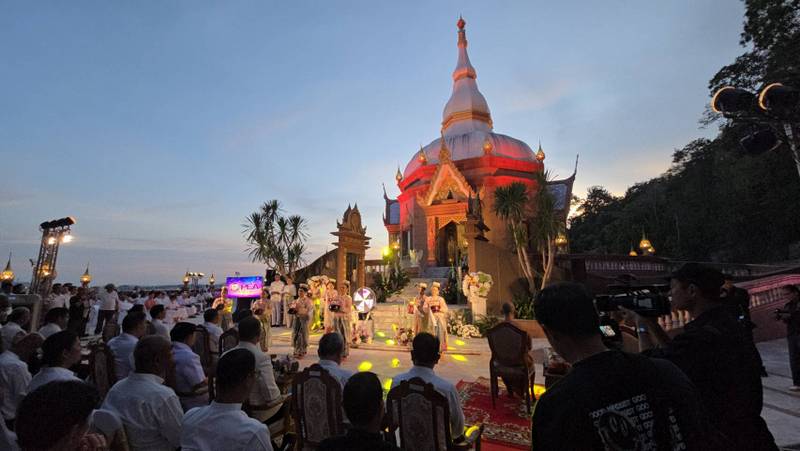
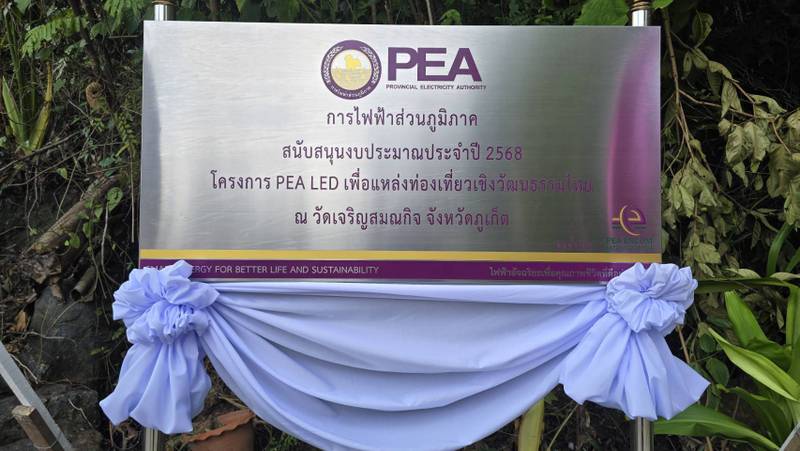
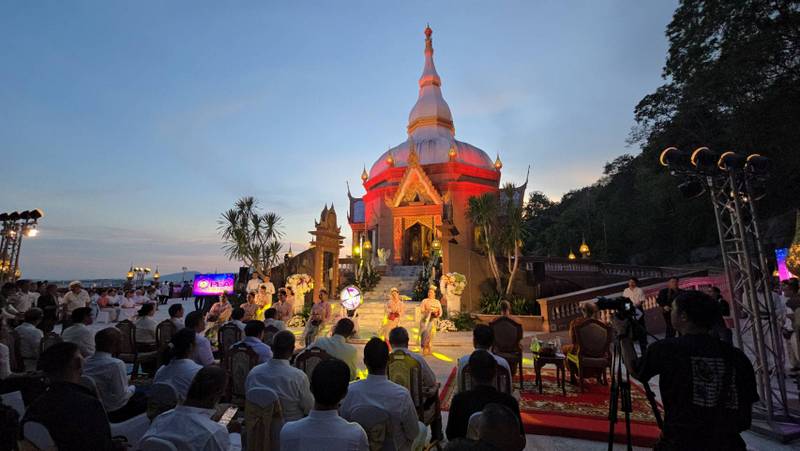
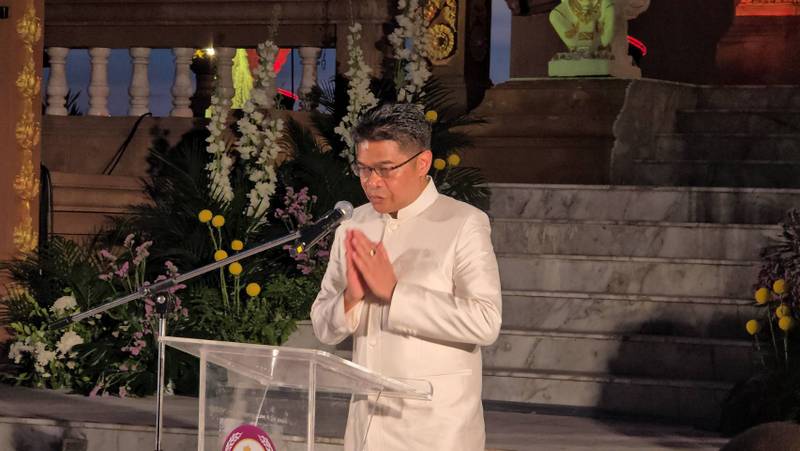
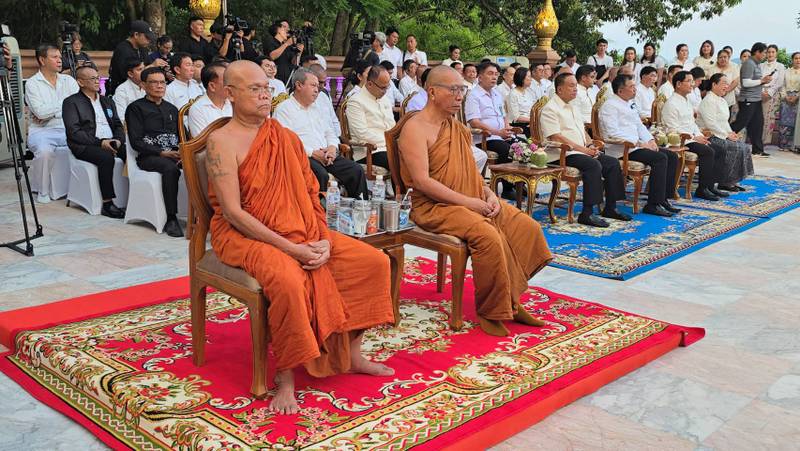
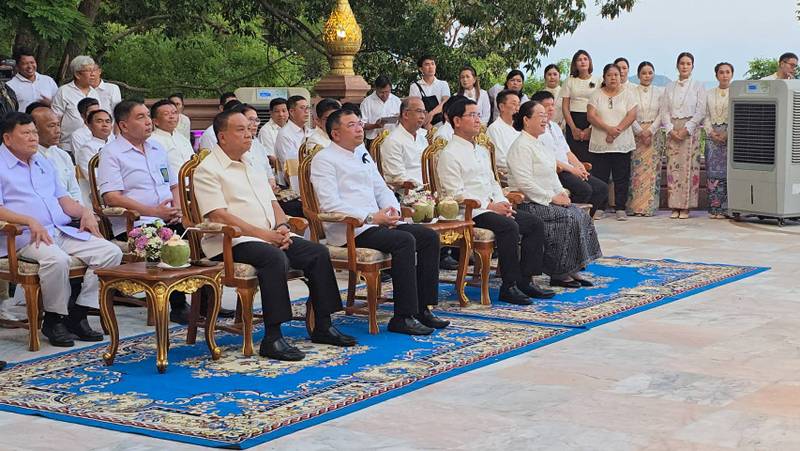
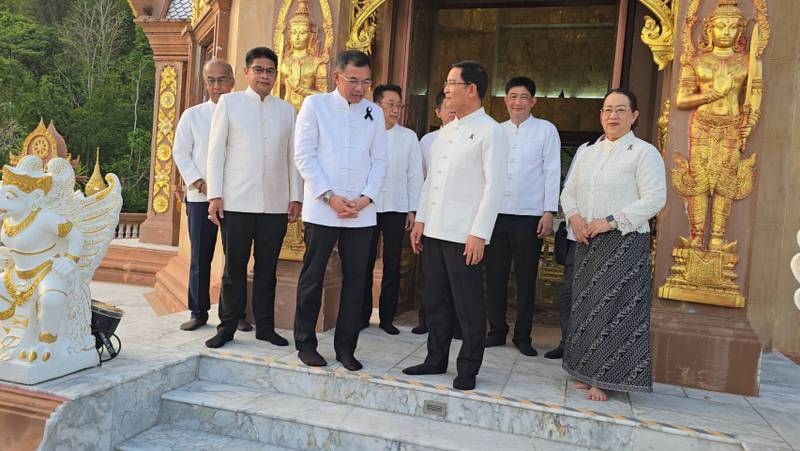
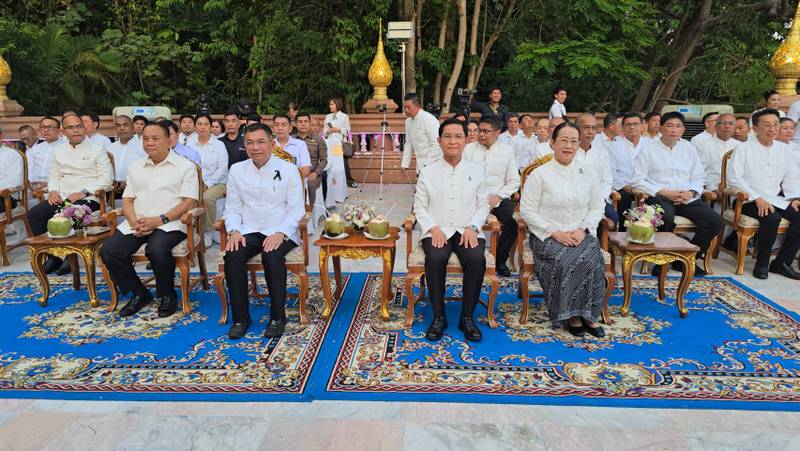
The “PEA LED for Thai Cultural Tourism Destinations” project was formally handed over at a ceremony held at the temple yesterday (May 5), presided over by Phuket Vice Governor Teeraphong Chuaychoo and attended by senior figures from the Provincial Electricity Authority (PEA), local government, clergy and private sector representatives.
Speaking at the event, Mr Teeraphong said the project would support Phuket’s efforts to promote cultural tourism while strengthening religious sites that serve as spiritual centres for local communities.
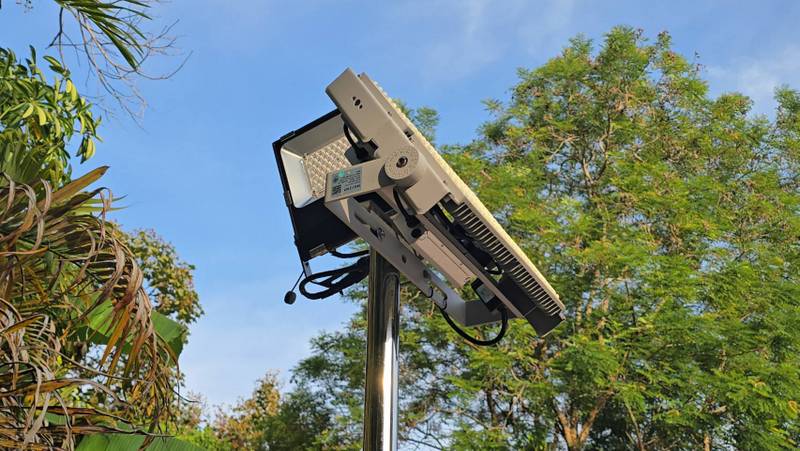
The initiative, led by the PEA, involved the installation of 487 LED lighting units across the temple grounds at a cost of more than B1.99 million.
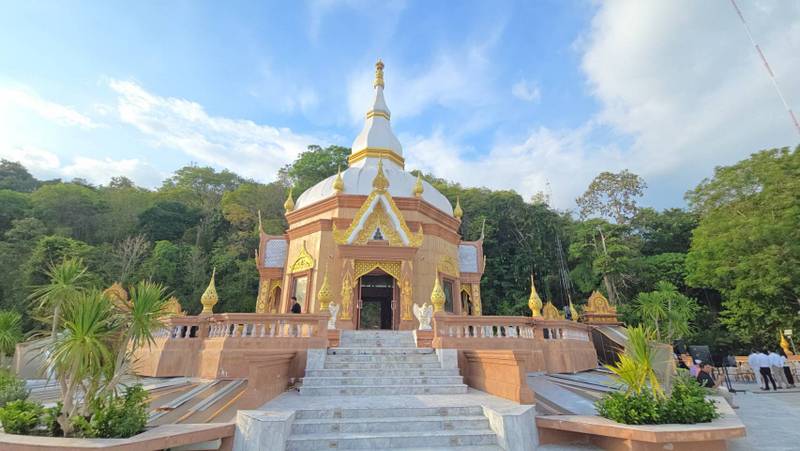
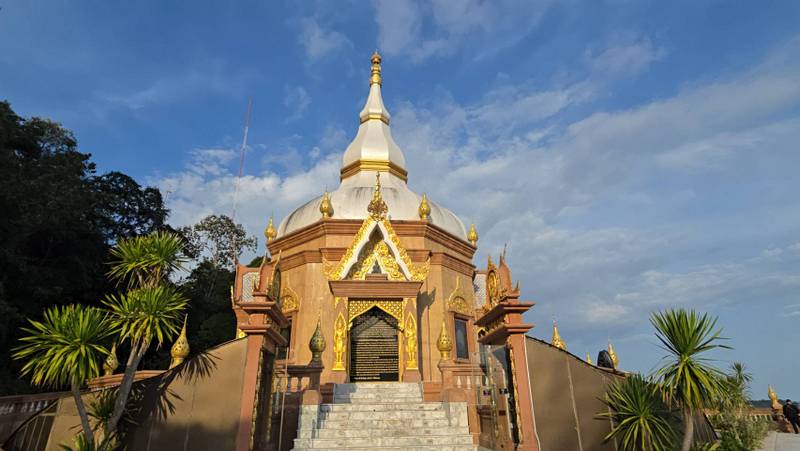
The improvements are intended to enhance visibility and safety for visitors, while also highlighting the temple’s architectural features and hilltop setting overlooking Phuket Town.
PEA Governor Mongkol Treekitjanon said the project reflects the authority’s broader mission to improve quality of life while reducing environmental impact.
He noted that the switch to LED lighting would cut electricity consumption and maintenance costs, while lowering greenhouse gas emissions in line with national goals to move towards a low-carbon society.
“Projects such as this support cultural tourism sites to be sustainably ready to welcome both Thai and international visitors,” he said.
Wat Charoen Samanakit, also known locally as Wat Lang San, is regarded as an important religious and cultural landmark in Phuket. The temple sits on Toh Sae Hill, a popular viewpoint and recreation area, making it a frequent stop for both residents and tourists.
The hill is also colloquially called ‘Monkey Hill’, in reference to the large troupe of macaques that live on the hill, drawing many visitors to the site.
Senior monks, including the temple’s abbot Phra Kru Wimolchantharochoti (Phra Ajarn Chamras Chanthochoto), joined the ceremony alongside clergy from across the region.
Phuket Provincial Administration Organisation (PPAO) President Rewat Areerob and representatives from multiple government agencies were also in attendance, underscoring the cross-sector cooperation behind the project.
Officials said the upgraded lighting is expected to improve nighttime accessibility and safety for worshippers and visitors, while enhancing the site’s visual appeal as a cultural attraction.
Mr Teeraphong expressed appreciation to the PEA and all participating agencies for their collaboration, noting that the project demonstrated tangible progress in developing Phuket’s religious, cultural and tourism infrastructure.
The PEA confirmed it will continue rolling out similar LED upgrade projects at cultural tourism sites nationwide as part of its long-term sustainability strategy.