


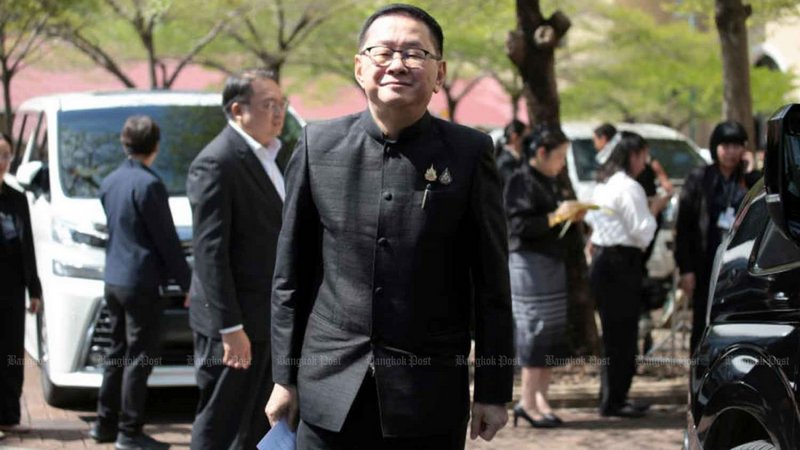
The controversy emerged after Education Minister Prasert Jantararuangtong met executives from TikTok Thailand on May 21 to discuss promoting educational content on the platform, reports the Bangkok Post.
The talks covered past and future collaboration, with a focus on promoting digital literacy through educational programmes to support career development while also aiming to advance the use of AI to help reduce teacher workload.
The ministry also plans to sign memorandums of understanding with several sectors to support education initiatives.
Under the proposal, AI technology would help teachers create two-minute educational video clips where students and teachers could engage through the comment section. Officials say the system could reduce workloads, simplify lessons for students and save time spent preparing teaching materials.
Criticism
The idea has drawn criticism across social media, with many questioning whether Thailand is moving in the right direction at a time when several countries around the world are introducing restrictions on youth social media use.
An online page, Reporter Journey, which has more than 250,000 followers, raised the question: “Is this to reduce teachers’ workload or the quality of education?”
The page argued that Thai teachers’ workload problems are not caused by “a lack of video materials” but by a government system that places excessive responsibilities on them, alongside shortages in staffing and insufficient institutional support.
Responding to the backlash, Education Ministry spokesperson Tatiyaphat Pitisetthapan said the ministry understood public concerns over screen time and the impact of social media on children.
“It cannot be denied that digital technology has become part of learning and daily life for modern children,” he said. “At the same time, the ministry recognises concerns about the effects of digital media on children’s concentration, development and wellbeing.”
Mr Tatiyaphat stressed that the ministry was not encouraging children to spend more time on social media, but instead wanted students to develop digital and AI literacy in a safe and appropriate way.
“The principle is that technology must be a tool for learning, not the goal of education,” he said.
He added that the ministry’s policy centred on age-appropriate technology use that would not unnecessarily increase screen time or harm children’s development, wellbeing or academic performance.
“What we really want is for children to use digital tools appropriately.”