



Thaneth Tantipiriyakij said the immediate impact has been on airlines operating through Middle Eastern hubs, with some flights cancelled or adjusted as a result of the conflict.
“European tourists can still travel normally,” Mr Thaneth said. “The main issue right now is airlines operating from the Middle East. Some flights have been cancelled or adjusted because of the conflict.”
Many long-haul travellers who normally transit through major Middle Eastern hubs are now rerouting through other aviation networks, he explained.
“In many cases, travellers are switching to Asian airlines such as Thai Airways or connecting through European carriers instead,” he said. “Return travel to Thailand is still possible, but some passengers who originally planned to fly with Middle Eastern airlines must change their route.”
While Phuket does not heavily depend on Middle Eastern airlines, some markets and flight connections could be affected if the conflict persists, Mr Thaneth said.
According to data from the Travelink Dashboard and Phuket Immigration, a total of 1,239,748 foreign tourists entered Phuket between January and February this year, arriving on 5,777 flights operated by 68 airlines from 89 cities worldwide.
Of those arrivals, 73,965 travellers – about 6% – arrived via Middle Eastern airlines, including Qatar Airways, Emirates and Etihad Airways.
“While the proportion is relatively small, certain markets are more directly exposed to the conflict, particularly Israel and Gulf countries, which together account for roughly 2-3% of Phuket’s tourism market,” Mr Thaneth said.
“If the conflict escalates or continues for an extended period, the Israeli market could decline by 70-90%, while arrivals from Saudi Arabia and other Gulf countries could drop by around 70%,” he added.
A greater concern is the potential knock-on effect on European travel, as many flights between Europe and Southeast Asia rely on major Middle Eastern hub airports for connections.
“If the situation continues for one to two months, the Western European market could fall by around 13%, which would reduce Phuket’s total tourist arrivals by roughly 4-5%,” Mr Thaneth said.
Combined with the direct market losses, Phuket could see a total short-term decline of about 7-10% in visitor numbers, according to the association’s analysis, Mr Thaneth noted.
Despite the risks, Mr Thaneth said Phuket’s tourism base remains diversified, with Russia, India, China and Asia-Pacific markets accounting for more than 60% of visitors, many travelling on routes that do not rely on Middle Eastern hubs.
“The situation is not yet critical,” he said, “but it requires close monitoring.”
EUROPEAN PUSH CONTINUES
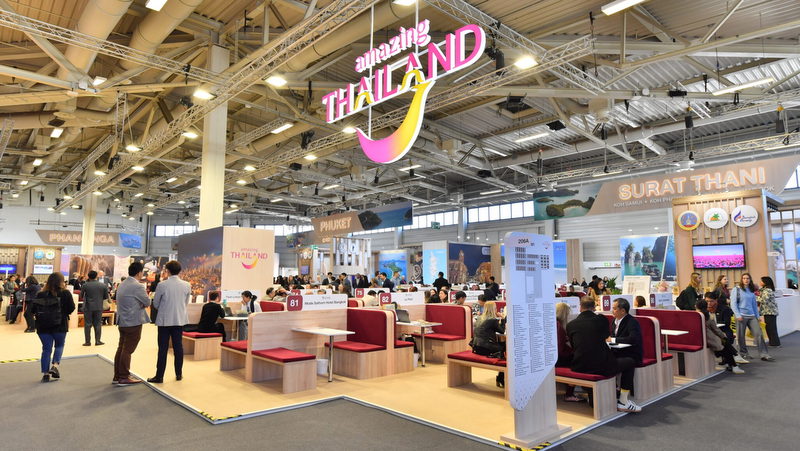
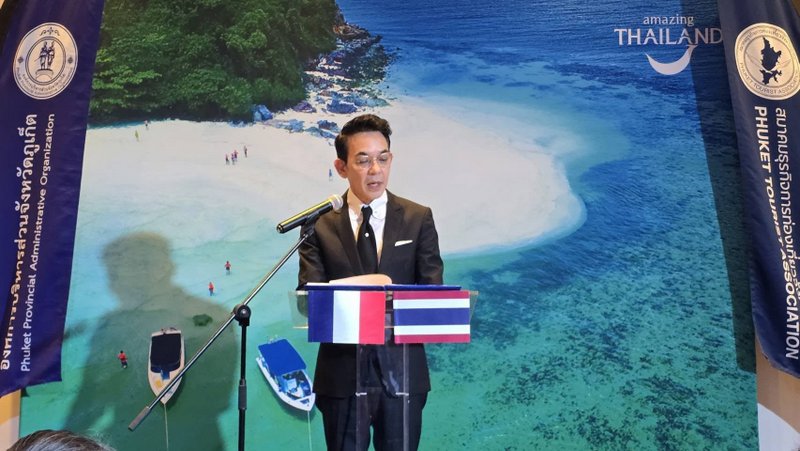
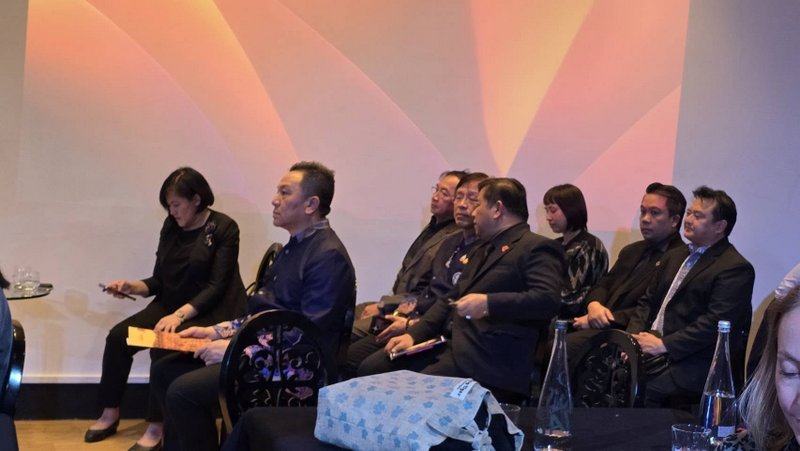
Mr Thaneth said the tourism delegation’s recent visit to Europe – ahead of the global travel trade event ITB Berlin – aimed to strengthen Phuket’s long-haul markets despite the emerging geopolitical challenges.
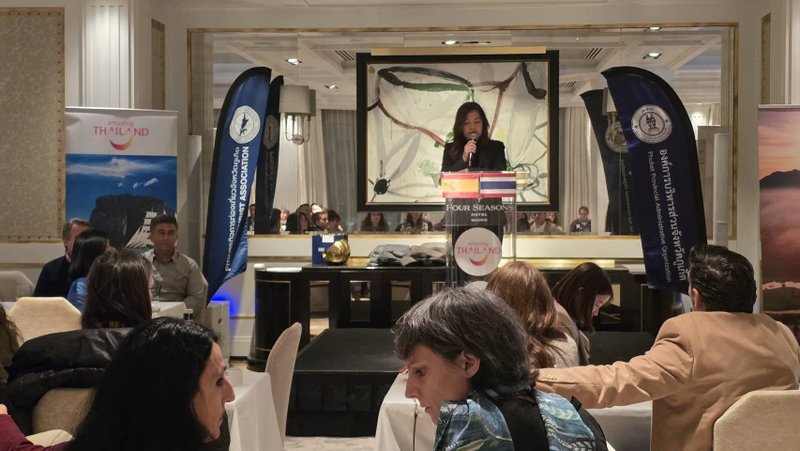
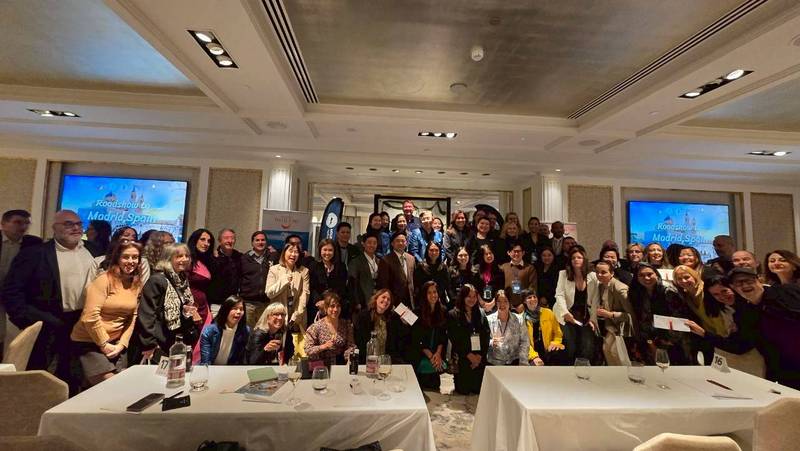
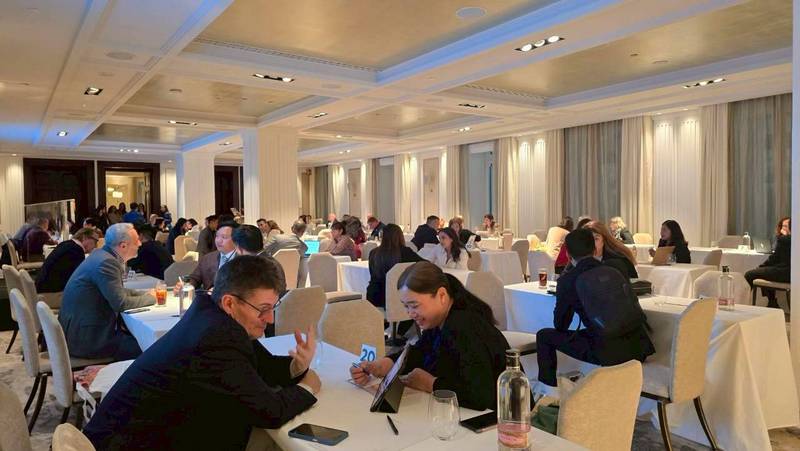
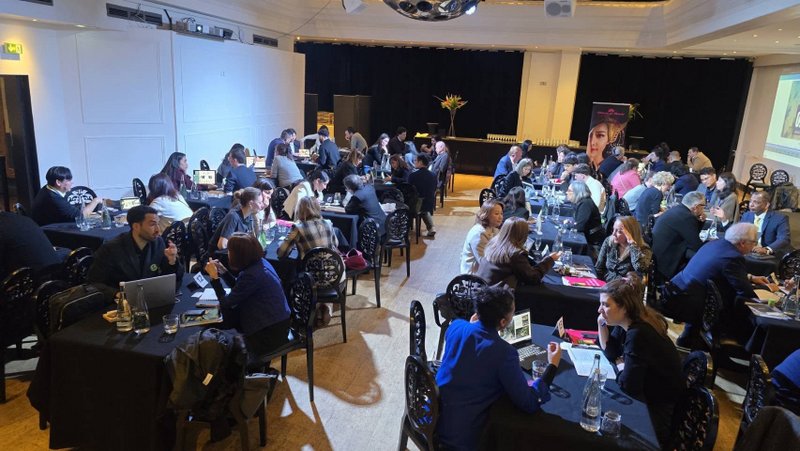
The delegation conducted roadshow events in Madrid and Paris before attending the Berlin travel fair, held last week (Mar 3-5).
The Madrid event marked a relatively new marketing effort for Phuket, targeting the Spanish market, which tourism leaders see as having long-term potential despite not being a major source market at present.
About 40 tour company representatives attended the Madrid roadshow and expressed interest in Phuket, although the lack of direct flights remains a key limitation.
A similar business-to-business event in Paris also attracted around 40 European tour operators, with positive responses from the French travel trade.
Phuket officials also met with executives from Air France to discuss the possibility of expanding direct flights between Paris and Phuket beyond the current winter-only service, which operates from November to March.
Air France indicated interest but said any expansion would be considered as part of future planning.
HIGHER-VALUE TOURISM
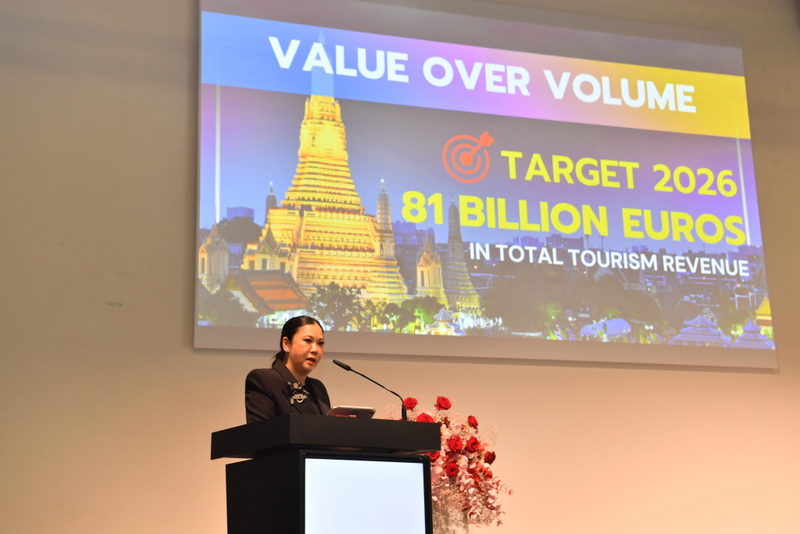
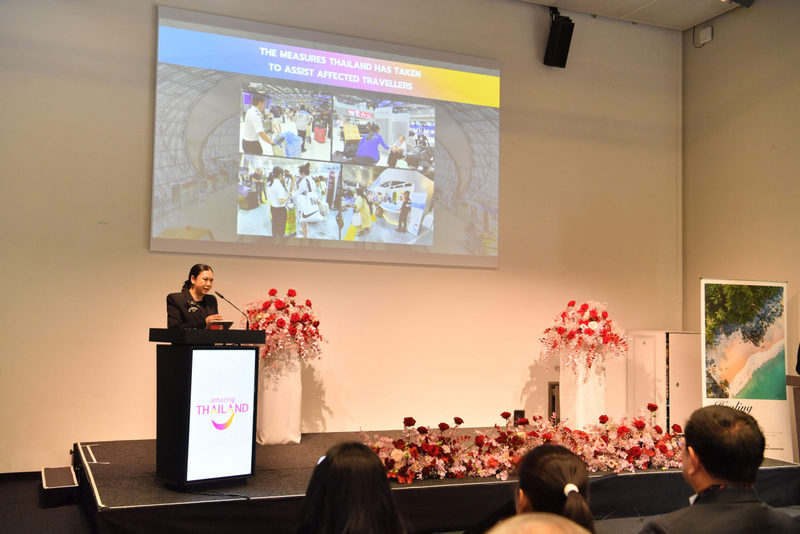
Speaking at ITB Berlin, Tourism Authority of Thailand (TAT) Governor Thapanee Kiatphaibool said Thailand is promoting a shift toward higher-value tourism in Europe, with officials projecting more than B5.5 billion in economic value from trade and business generated at this year’s ITB Berlin travel fair.
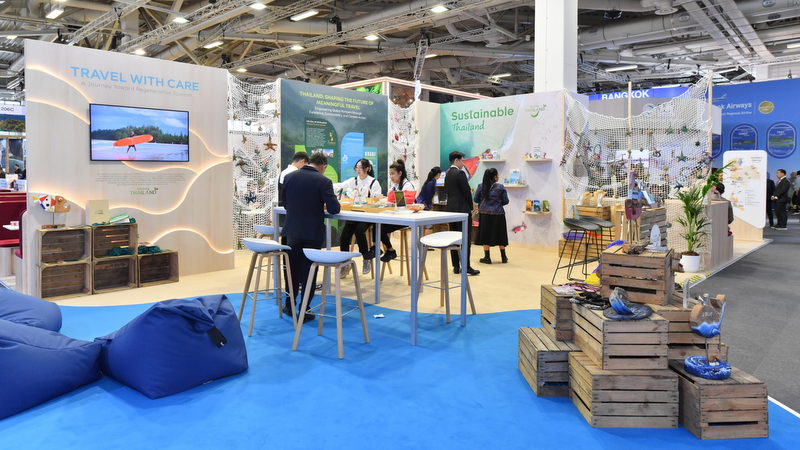
The TAT has launched a new campaign positioning Thailand under the ‘Unforgettable Experience: Healing is the New Luxury’ concept, targeting long-haul travellers seeking wellness, sustainability and high-quality travel experiences.
Ms Thapanee said the strategy reflects a broader shift toward ‘value over volume’ tourism, focusing on higher spending, longer stays and sustainable growth rather than simply increasing visitor numbers.
Europe remains a key long-haul market for Thailand. In 2025, Thailand welcomed 965,898 visitors from Germany, an increase of 10.6% year-on-year, while 115,700 German tourists travelled to Thailand in January this year, up 2.55% compared with the same period last year.
German travellers also generate strong economic returns, staying an average of 15.58 nights per trip and showing high demand for beach holidays, wellness tourism, nature travel and slow-travel experiences.
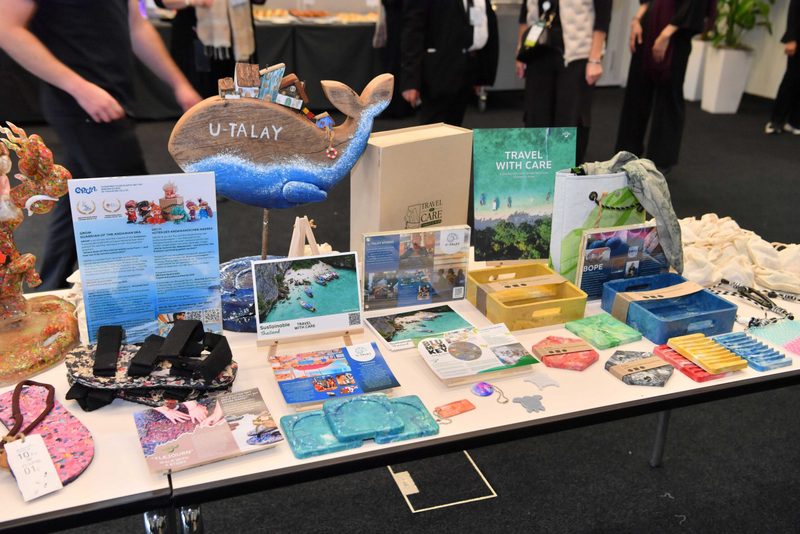
At the event, TAT led a delegation of 165 Thai tourism operators in business negotiations with international buyers and industry partners, while promoting sustainable tourism initiatives, low-carbon travel routes and emerging destinations across the country.
Officials said participation in ITB Berlin is expected to strengthen Thailand’s long-haul tourism market and support continued growth in international visitor spending.
MONITORING THE SITUATION
Meanwhile, Phuket Governor Nirat Pongsitthavorn, who joined the Phuket tourism delegation during the European roadshow, said authorities are closely monitoring the situation in the Middle East, but stressed that the overall impact on Phuket remains limited.
“Some airlines have adjusted flight schedules in response to the evolving conflict, but travel to and from Phuket is still operating normally,” he said.
Passengers are advised to check their flight status with airlines at least 24 hours before departure, he added.
Mr Nirat also said tourist arrivals to Phuket remain broadly stable and continue to follow normal seasonal patterns.
“European markets have continued to show strong growth, helping offset fluctuations linked to seasonal travel patterns and the Ramadan period,” he said.
Provincial authorities are also monitoring security and misinformation related to the conflict, with surveillance in key tourist areas operating around the clock and coordination maintained with national security agencies.