


The latest attention began with a video posted online on Monday (Mar 16) by Siranudh ‘Psi’ Scott, a Thai-Scottish marine conservationist and former advisor to the Director-General of the Department of National Parks, Wildlife and Plant Conservation (DNP).
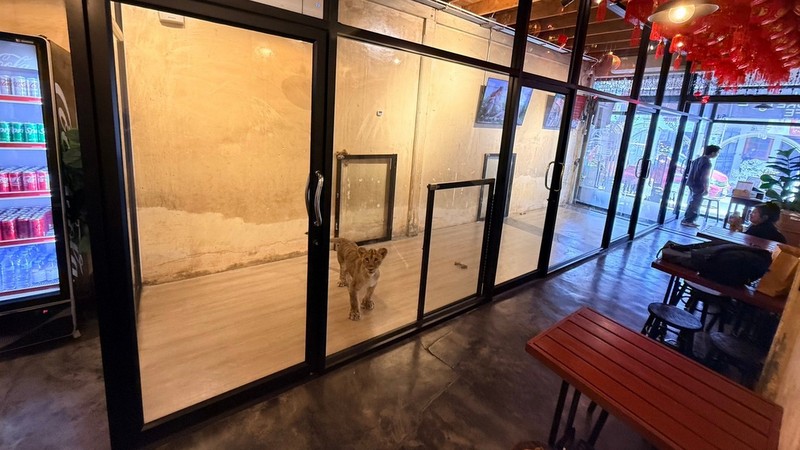
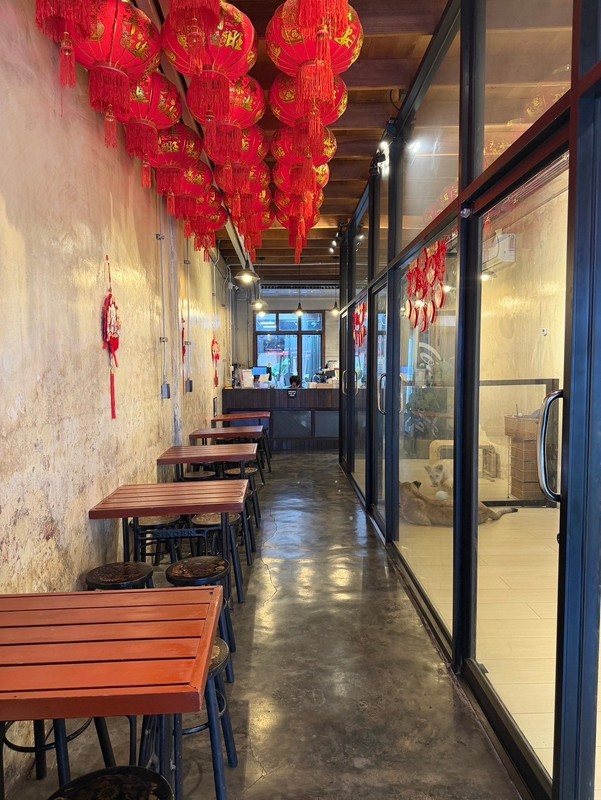
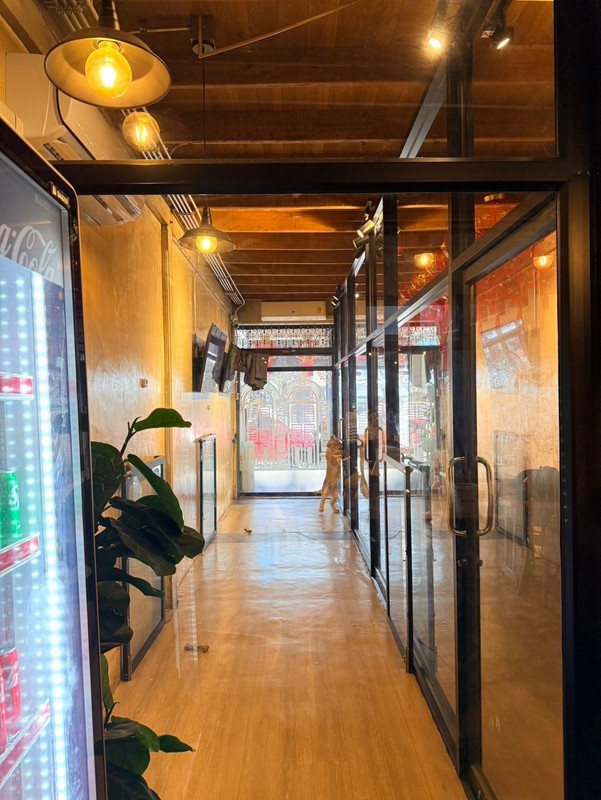
The clip, shared on Instagram earlier in the day, showed lion cubs confined in a small, glass-enclosed area inside Lion Phuket Cafe in Phuket Old Town, where visitors could see the animals at close range.
In his post, Mr Scott clarified that he did not support the practice, writing: “Just so no one is confused ‒ I am not supportive of this ‒ just sharing so people know these exist.”
The footage quickly gained traction online, prompting questions from the public about the origin of the animals and their welfare.
OFFICIALS APPROVE
Oddly, it was the DNP’s Regional Office of Protected Areas 5 office that responded online first ‒ before the cafe itself ‒ in defence of the lion cubs being allowed at the cafe.
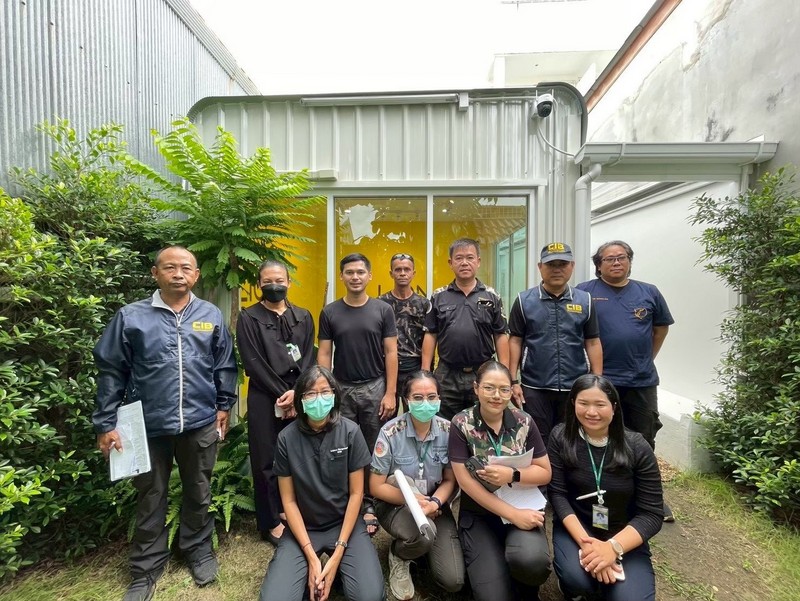
On Monday, at 9:23pm, the Regional Office of Protected Areas 5 issued a public clarification confirming that the café is legally in possession of the lions and complies with relevant regulations.
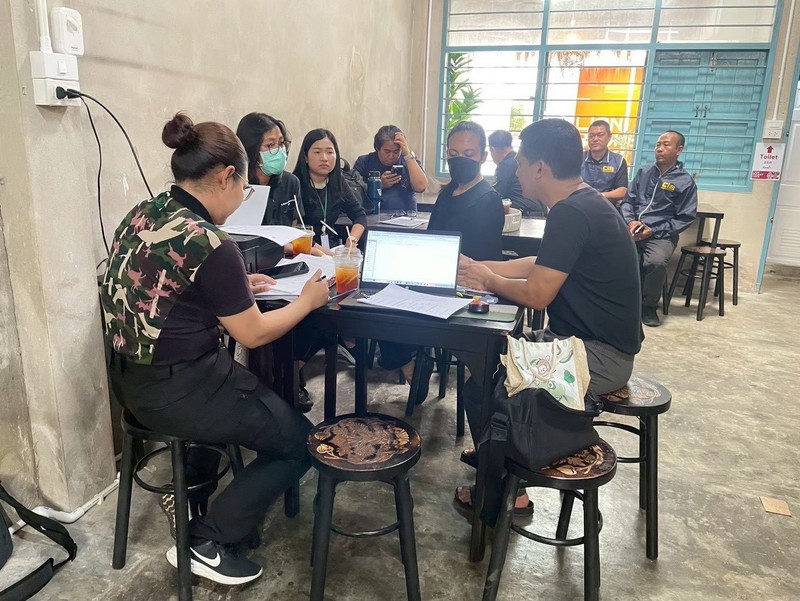
According to the statement, officials were dispatched to inspect the premises at ‘Lion Phuket Cafe at Phuket Old Town’ following the circulation of the video ‒ making it one of the fastest response investigations launched by wildlife officials in Phuket. Regional Office of Protected Areas 5 is based in Nakhon Sri Thammarat, and operates under Director Surasak Anusorn.
The inspection found that the café has three lions registered in accordance with Section 19 of the Wildlife Conservation and Protection Act B.E. 2562 (2019), which governs the possession of controlled wildlife in Thailand, Mr Surasak’s office said.
Officials detailed that one lion ‒ a female ‒ is registered under documentation dated Dec 2, 2025, while two male lions were registered more recently on Mar 12, 2026. All three animals are microchipped, and their records match official registration data, the DNP said.
In addition to verifying documentation, officers also allegedly assessed the conditions in which the animals are kept. The report referenced a prior inspection conducted on Dec 24, 2025, which concluded that the enclosure and overall care met animal welfare standards.
“Officials confirmed that the shop manages the enclosure and the lions’ living conditions appropriately and in accordance with all animal welfare principles,” the statement said.
The DNP office added that monitoring of controlled wildlife in the region is conducted “closely and transparently” in accordance with the law.
Shortly after the DNP statement was released, Lion Phuket Cafe posted its own response online at around 10:30pm the same night, thanking officials for the inspection.
In its statement, the café emphasised that it operates within the law, noting that all lions are properly registered and microchipped, and that animal welfare standards are maintained.
“At Lion Phuket Cafe, we always prioritise legal compliance, safety, and animal welfare,” the post said.
The business also expressed appreciation for public support while the issue drew widespread attention.
HISTORY OF CONTROVERSY
Despite the assurances by Mr Surasak’s office, the latest incident has reignited debate due to Phuket’s recent history of cases involving lion cubs being used to attract customers to cafés ‒ often resulting in legal action.
In January 2025, police raided a Chinese-run establishment, The Glass House Cafe and Space in Ratsada, where lion cubs were being used for paid photo opportunities with tourists.
During that operation, two Chinese nationals were arrested and charged with working illegally without permits. Officers found that customers were being charged up to B1,000 for brief interactions with the animals.
DNP officials refused to name those arrested and charged, and so far have avoided any clarification of whether the owner and operator of The Glass House is now the operator of the Lion Phuket Cafe on Krabi Rd.
The Glass House case last year followed an earlier scandal in February 2024 involving a lion cub known as ‘Nong Kiwi’, which was displayed at the same venue. Authorities later seized the cub after determining that it had not been legally registered and that its living conditions did not meet required standards.
Investigators at the time found inconsistencies in ownership documentation, including a mismatch in microchip records and a failure to notify authorities of the animal’s possession and transport ‒ both violations of the Wildlife Conservation and Protection Act.
The cub was subsequently relocated to a wildlife facility in Suphan Buri, where it was placed under professional care.
Officials had also noted that the animal was being transported daily between a café and private accommodation, further breaching regulations requiring controlled wildlife to be kept at registered locations.