




Suriya Tanthaweewong, 42, Phuket native and owner of the Phuket Zoo, told The Phuket News this week that he doubted he would ever return to operating a zoo ‒ even if tourists return in large numbers.
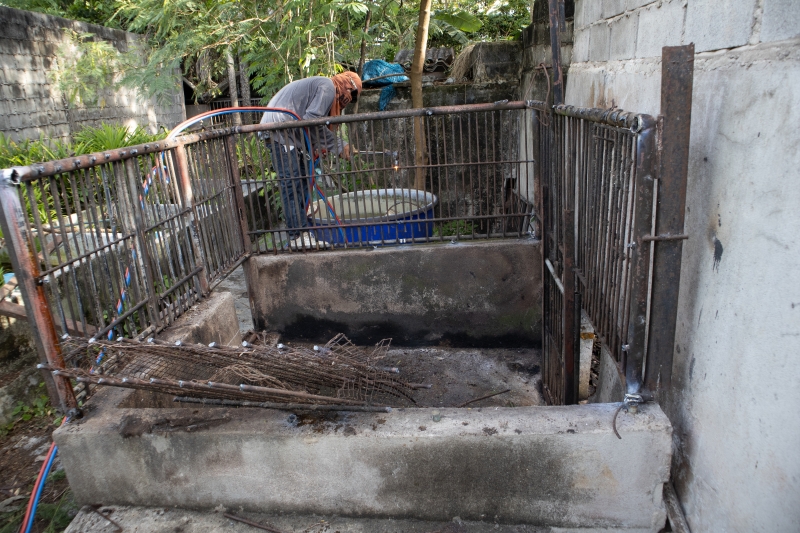
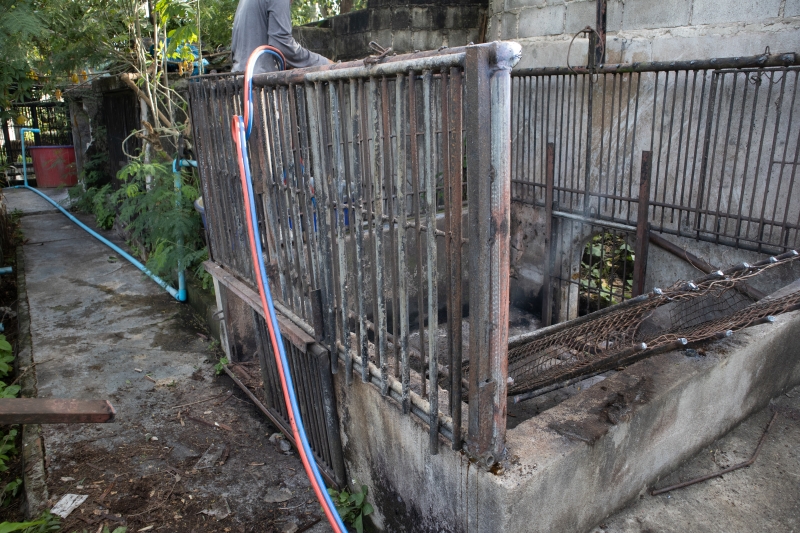
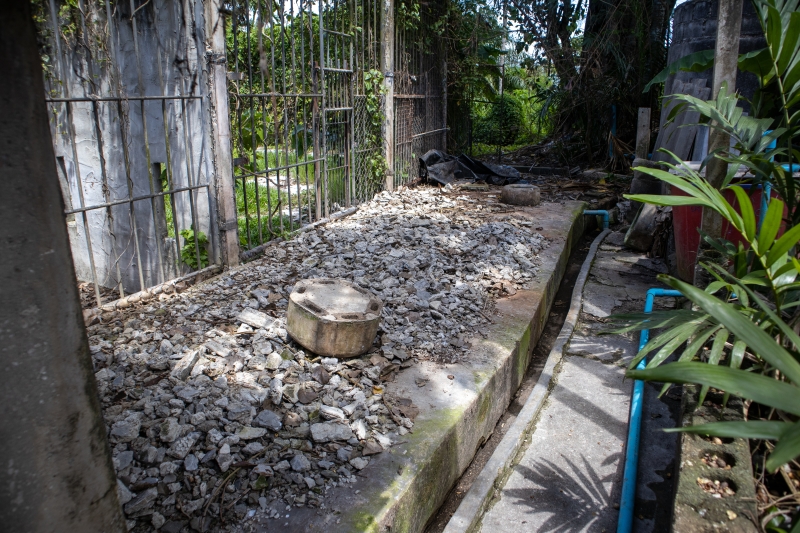
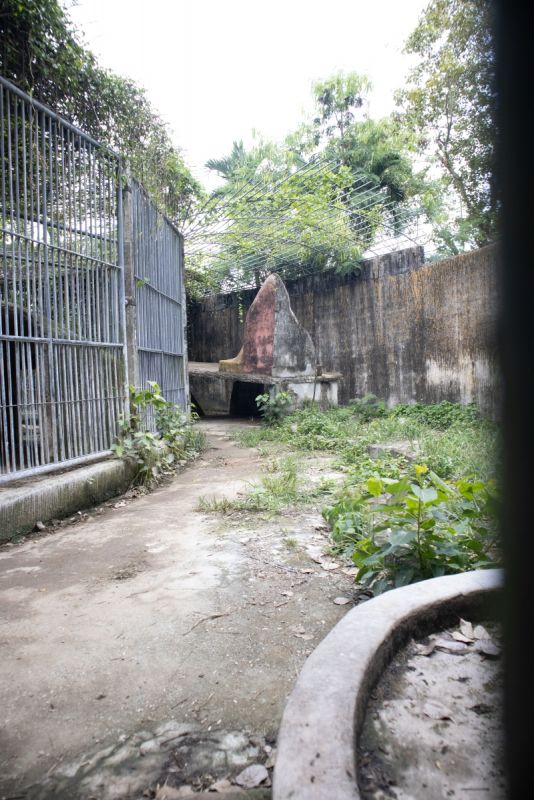
“Phuket Zoo is closed. Now, we are planting coconut trees in the area to change the use of the land. The former zoo area was 30 rai. We are transforming the whole area into a coconut plantation,” Mr Suriya said.
“Now there are no animals left. We have already found homes for all the animals, and we probably won’t come back to operate a zoo again,” he added.
Mr Suriya blamed the COVID pandemic for the closure of the zoo, which had been operating for 26 years. “Phuket Zoo had been in operation since 1996. The main reason for this closure was the impact of COVID-19. We started to close at that time [in 2020]. We could not bear the cost because there was no income from tourists coming in,” he said.
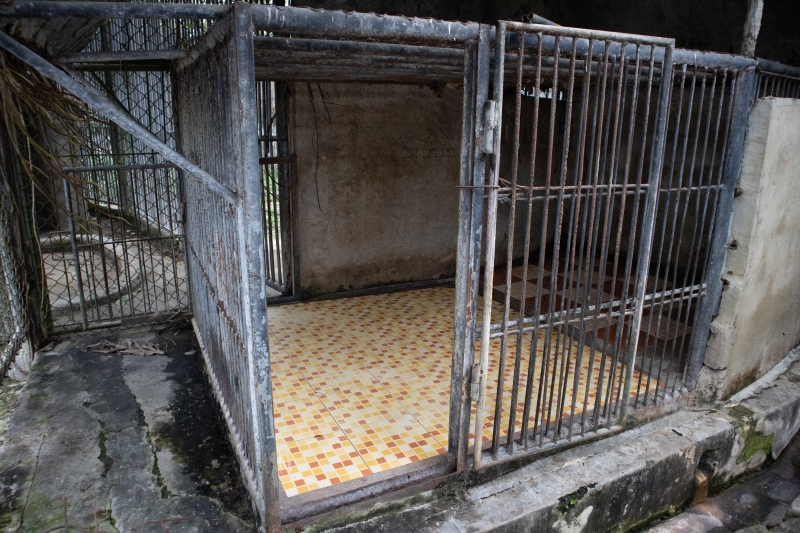
Over the years, the zoo had gained a notorious reputation among animal lovers around the world for the conditions the animals were kept in.
Asked what he would like Phuket Zoo to be remembered for, Mr Suriya said he did not want to mention the past. “Let’s just adjust according to the current situation,” he said.
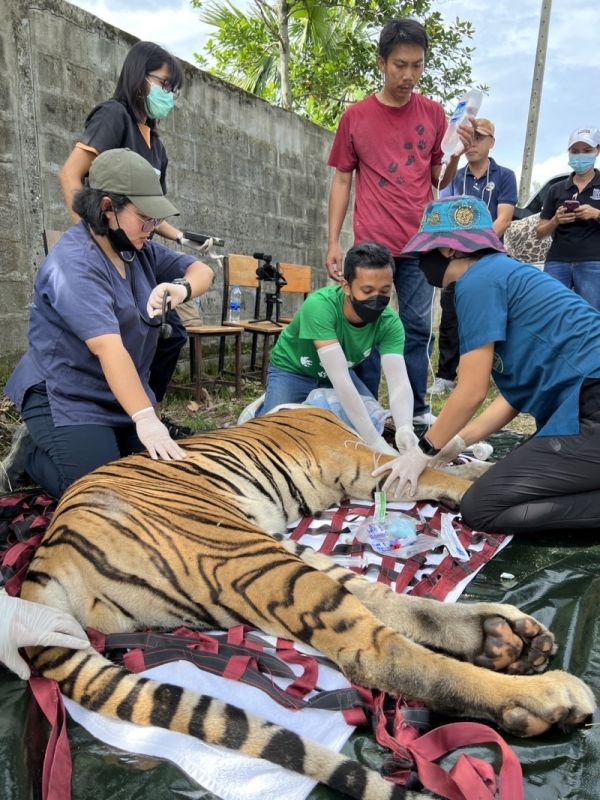
The move to dismantle the cages and raze the buildings follows the Wildlife Friends Foundation Thailand (WFFT), led by Edwin Wiek, successfully rescuing 11 tigers and two bears from the zoo.
“They are now all at our facilities. However, we are still to rescue six macaques and one gibbon, for whom we still need to raise funds,” Mr Wiek told The Phuket News.
“For now all tiger enclosures are ready and open for the tigers to explore, but we are also needing to build one more enclosure, in case that some of them are unable to stay together. All tigers are now in total sharing four enclosures,” he said.
TIGER RESCUE
Preparations for the rescue operation to safely take into care 11 tigers from the zoo ‒ touted as the largest single tiger-rescue operation in Thailand’s history ‒ began early this year.
Staff at WFFT, based in Phetchaburi, first created two enclosures, one nine rai and the other 10 rai, each with ponds and trees and space for the tigers to roam
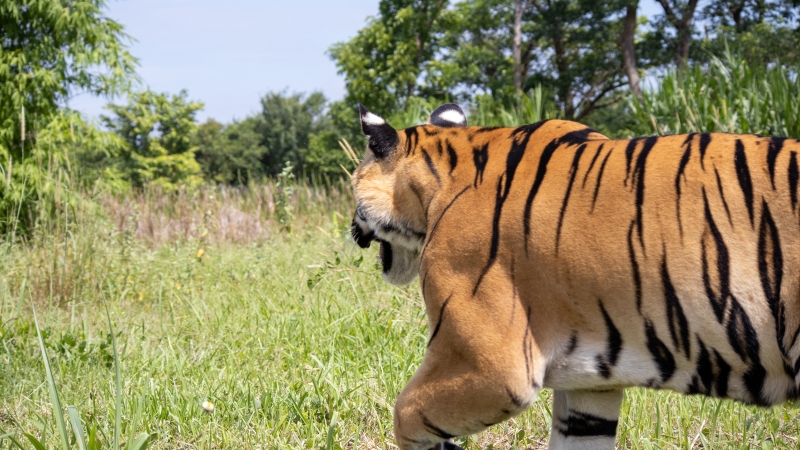
In marking the rescue of Mukda, a 19-year-old Bengal tiger rescued from Phuket Zoo, WFFT last Sunday (June 13) noted, “This is Mukda’s FIRST time outside in a natural habitat. This is the magical difference we make, together!
“This approximately 19-year-old Bengal tiger’s life story is a bit of a mystery, but we can only assume she was born in a zoo and has only ever known concrete cages. Just look how mesmerised she is by her new-found freedom.”
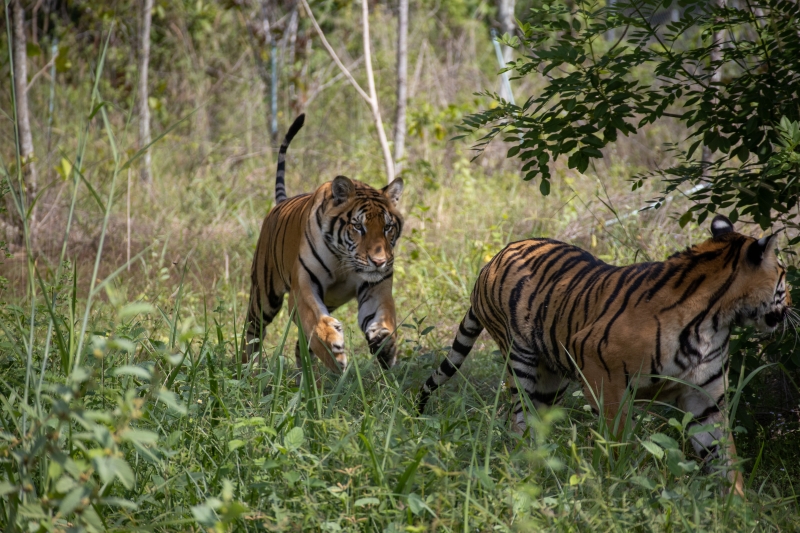
Mukda was one of three tigers safely rescued from Phuket Zoo earlier this month. The other two ‒ Baithong and Mena ‒ have also taken to their new home with enthusiasm.
“Mr Maruay, rescued from Phuket Zoo, is absolutely loving his new life… Please join our Tiger Care Team today, and help these majestic animals get the essential care they need after so many years at Phuket Zoo,” WFFT said on June 10 in its appeal for ongoing financial support to continue to provide care for the animals.
Maruay arrived at the sanctuary along with fellow tiger Mee Mee. Their rescue was followed by that of three other tigers: Rambo, Pong and Paeng
“After a long journey to WFFT, we’re pleased to update you that the three newest tigers: Rambo, Pong and Paeng are all doing well. We look forward to sharing more updates on them and hopefully soon, they’ll be outside enjoying their expansive habitats and first taste of a semi-wild life. We want to thank our supporters again for making this happen,” WFFT said gratefully on June 9.
“At WFFT, they have pools to swim, grasslands to hide in and expansive habitats to rediscover their natural behaviours,” the wildlife welfare organisation said.
BEAR NECESSITIES
While the international spotlight has been on the rescue of the tigers, WFFT has also taken into care two bears from Phuket Zoo who had lived their whole lives in small cages. One is an Asiatic black bear more than 20 years old, and the other a Malayan sun bear more than 10 years old, WFFT explained in a release appealing for funds to safely keep the bears in good health.
Funds are needed to build liveable enclosures for the bears, and to feed them. “Please help us build them the enclosures they so deserve with a lake, shelters, trees to climb and natural terrain – so they can start to overcome their trauma and learn to be bears again,” WFFT urged in its appeal.
“We urgently need to raise the funds to build the Phuket Zoo bears enclosures here at WFFT. Each enclosure will cost around 14,000 euros. Will you please give a gift today, so these bears can finally get the natural, spacious homes and care they urgently need?”
Ongoing support is also needed to feed and care for the tigers, Mr Wiek told The Phuket News.
Feeding the tigers requires four to five kilogrammes of meat every day, Mr Wiek explained. “Mostly chicken, with different meats added on different days, such as pork and beef,” he said.
The animals will also need regular medical and health checks, he added.
To learn more about WFFT, or to help support the sanctuary’s new inhabitants, visit the official WFFT website at www.wfft.org.
Additional reporting by Chutharat Plerin