


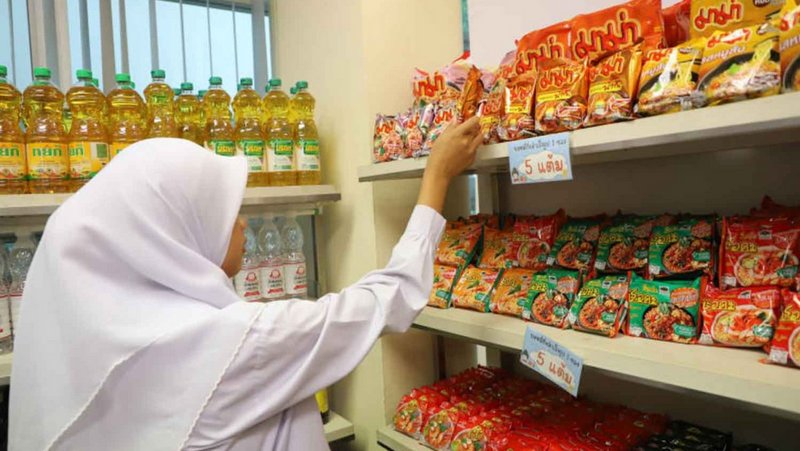
The Ministry is closely monitoring a wide range of essential items, including consumer staples such as instant noodles and milk, as well as other regulated products linked to energy and production costs, Ms Suphajee said.
Existing stock must be sold at current prices, and any unjustified increases will lead to penalties, she added.
The minister said enforcement is being carried out in coordination with provincial commerce offices, the Interior Ministry and energy authorities, with officials deployed to inspect prices on the ground, reports the Bangkok Post.
The public can also report irregularities via the 1569 hotline, she said, adding that the measures are aimed at preventing overpricing and hoarding amid rising concerns over global energy volatility.
She stressed that price controls must be based on fairness and actual cost structures, warning that excessive pressure on businesses could backfire by affecting employment and supply chains.
“Entrepreneurs and consumers must be able to move forward together,” she said, noting that any price changes must be justified, particularly if fuel costs increase globally.
She also urged the public not to panic-buy, saying unnecessary stockpiling could worsen the situation. While acknowledging that people may be concerned, she said purchases should remain appropriate and measured.
A key pressure point is packaging costs, as Thailand relies heavily on plastic pellets sourced from the Middle East.
The government is now seeking alternative supply channels while ensuring domestic stocks remain sufficient.
Current reserves of plastic pellets are expected to last until the end of April, while urea fertiliser supplies should hold until around August.