


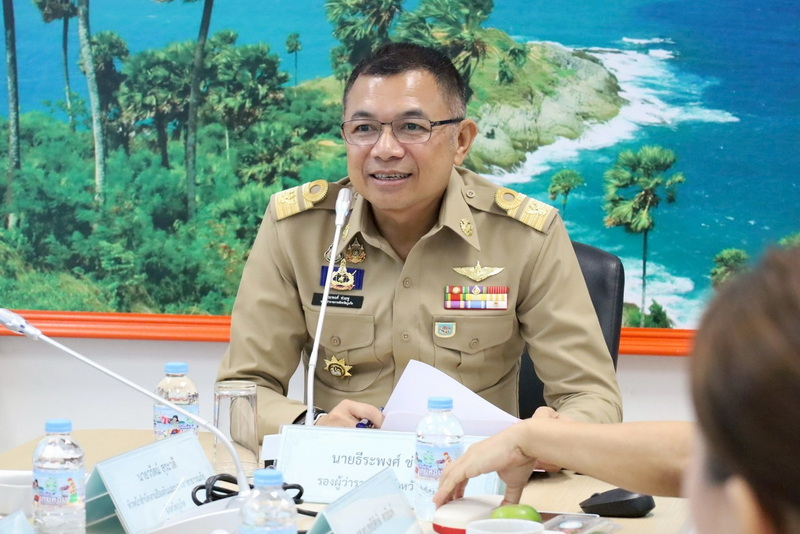
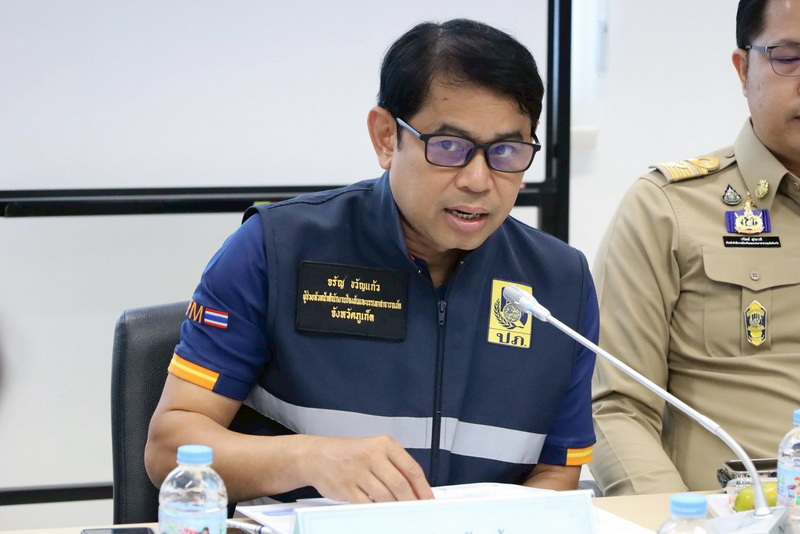
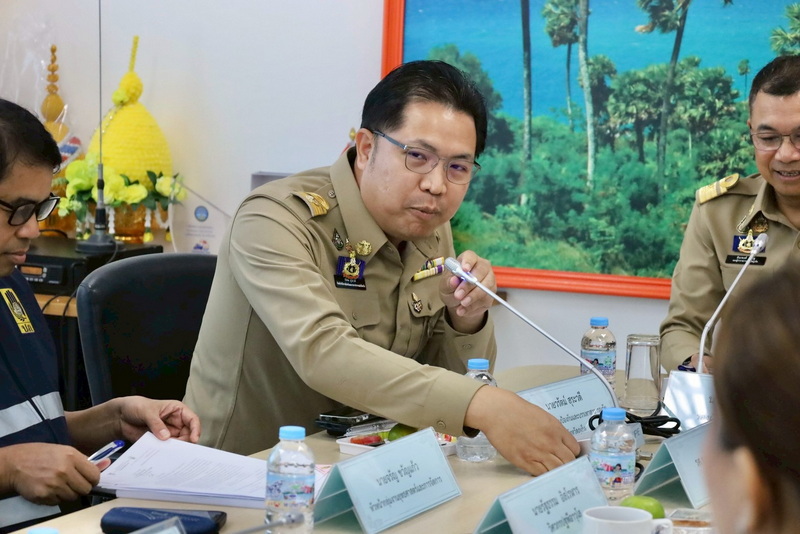
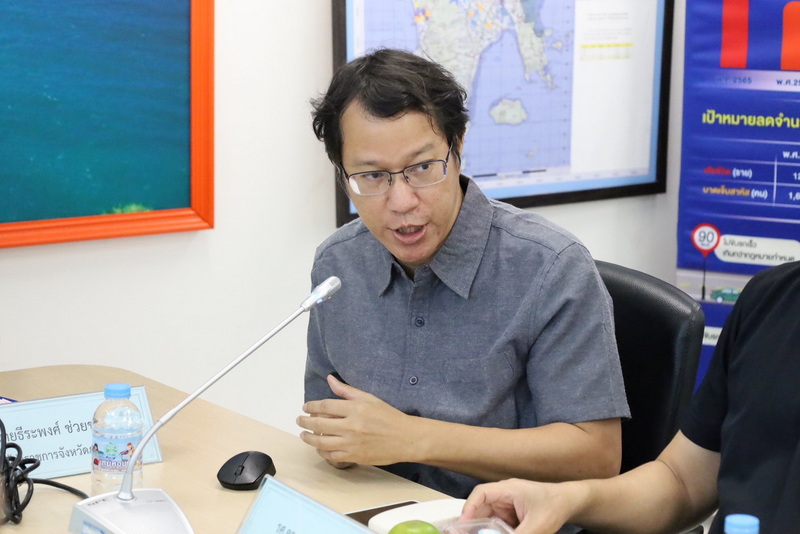
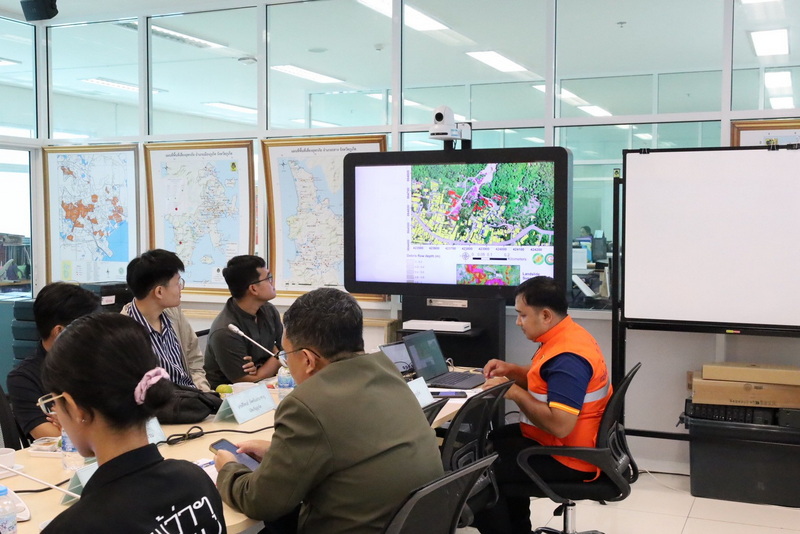
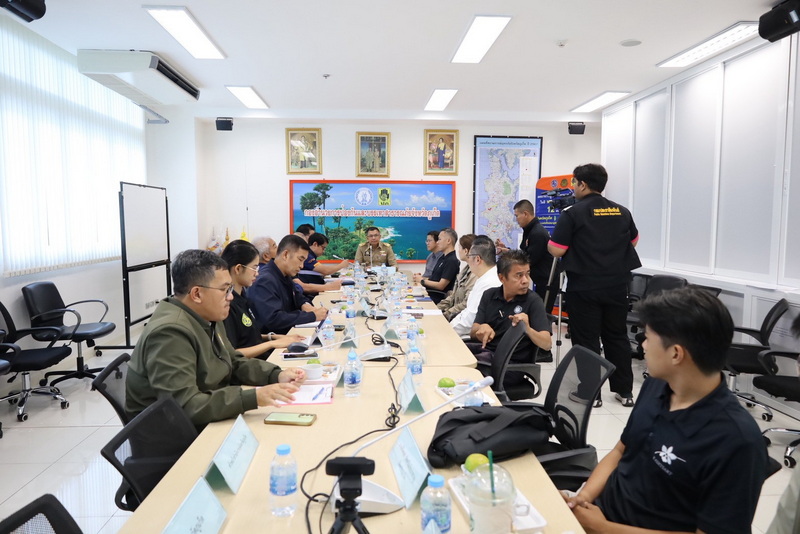
The directive was issued during a meeting at the Phuket Provincial Disaster Prevention and Mitigation Office (DDPM Phuket) on Tuesday (Apr 7), chaired by Vice Governor Teeraphong Chuaychoo, focusing on risk management in Karon.
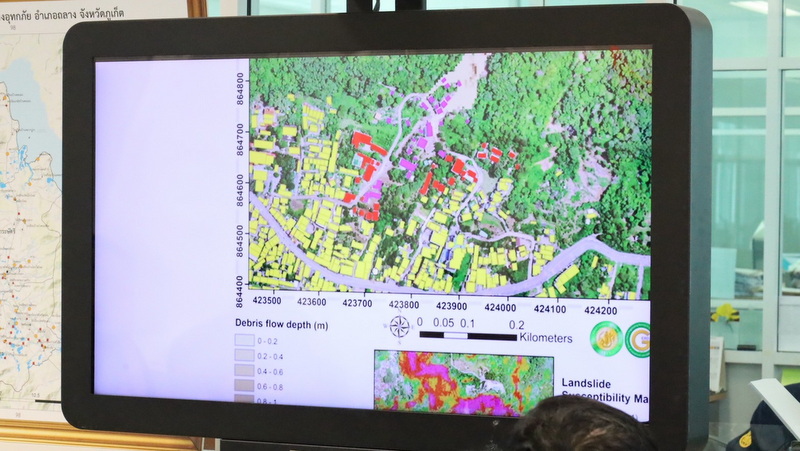
Officials revealed that advanced surveying technologies, including LiDAR and drone mapping, have already detected ground movement in multiple areas. This includes newly identified high-risk zones where no previous incidents have occurred but conditions indicate landslides are likely under sustained rainfall.
Central to the discussions was the site of the August 23, 2024 landslide, which killed 13 people, injured 19 others and damaged dozens of homes. Authorities stressed the need to use academic research and data-driven analysis to guide planning and prevent a repeat of the disaster.
Representatives from government agencies, academic institutions and the private sector attended the meeting, where a team of geotechnical engineering researchers from Kasetsart University presented findings from in-depth studies. The team also requested approval to conduct further fieldwork to support long-term strategies aimed at reducing landslide and flash flood risks.
According to the research, landslides in Phuket are driven by two main factors: natural conditions, particularly heavy rainfall, and human activity, including construction and land modification on hilly terrain, which directly impacts soil stability.
Geologically, Phuket is composed of around 80% granite, a brittle rock type prone to fragmentation. Combined with the island’s steep slopes, this significantly increases landslide risk. Researchers warned that during intense rainfall, soil erosion can accelerate rapidly, with models indicating that debris can travel from higher elevations to lower ground in as little as four to five minutes.
Academics also highlighted gaps in urban planning and building control regulations, noting that existing laws do not adequately address development on sloping land. As a result, urban expansion has concentrated at the base of hills, placing communities directly in the path of potential soil movement.
In response, Phuket officials have instructed all relevant agencies to urgently incorporate research findings into operational planning. Alongside the evacuation drills planned for May, authorities have ordered the accelerated installation of early warning systems, detailed surveys of access and evacuation routes, and the development of area-specific alert plans.
Particular attention is being given to vulnerable groups, including the elderly, bedridden patients and people with disabilities, to ensure timely assistance during emergencies.
The Kasetsart University research team is scheduled to carry out additional field studies from Apr 7-10 to collect more detailed data on soil composition, terrain and flow behaviour. The findings are expected to improve the accuracy of risk models and enhance early warning capabilities.
Officials emphasised that integrating academic expertise with local disaster management will be critical to reducing potential losses and safeguarding communities as Phuket prepares for the rainy season.