


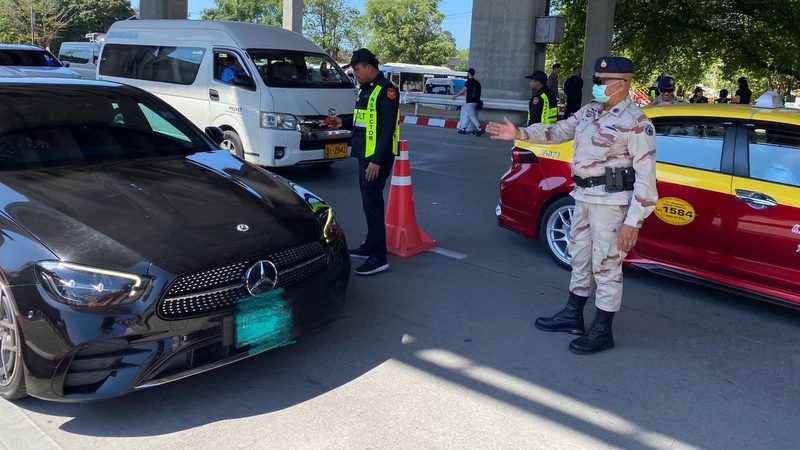
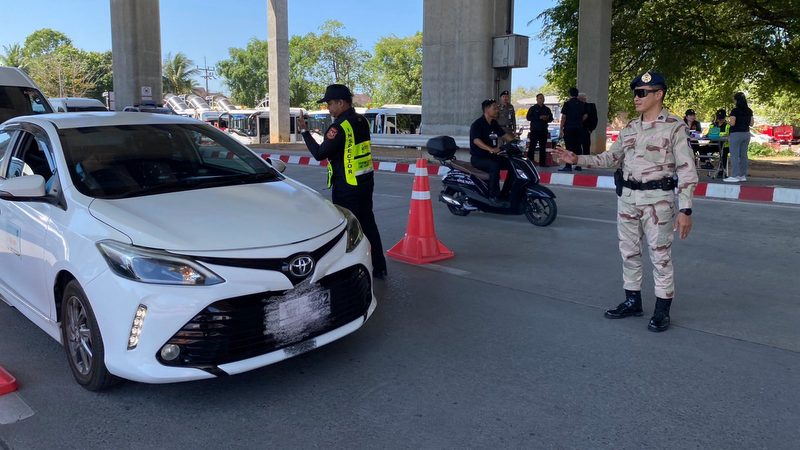
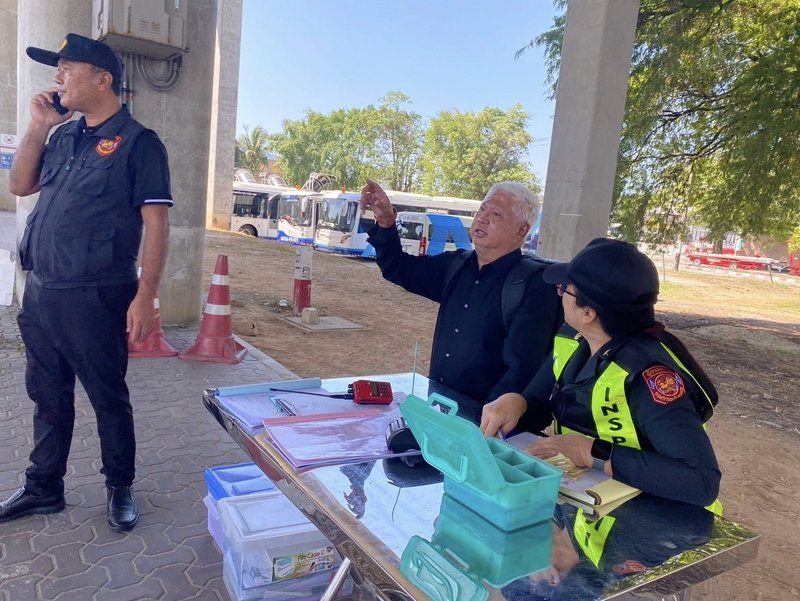
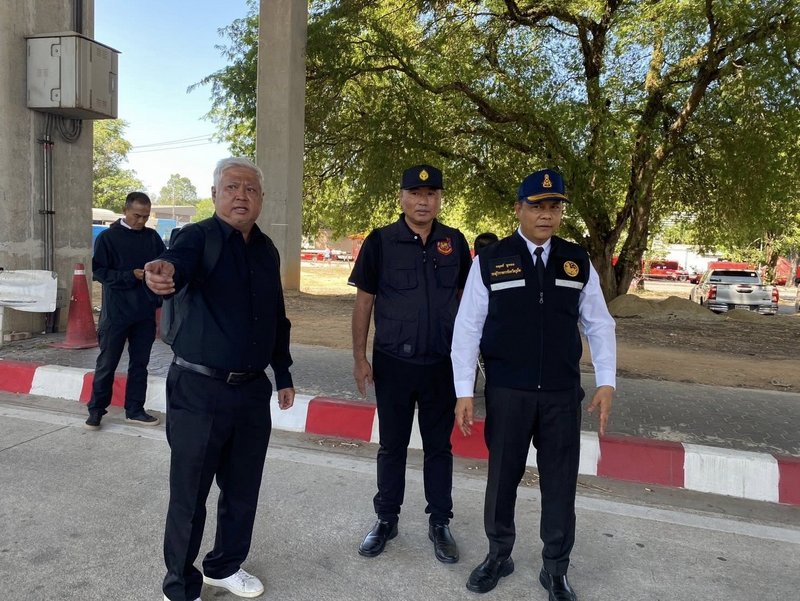
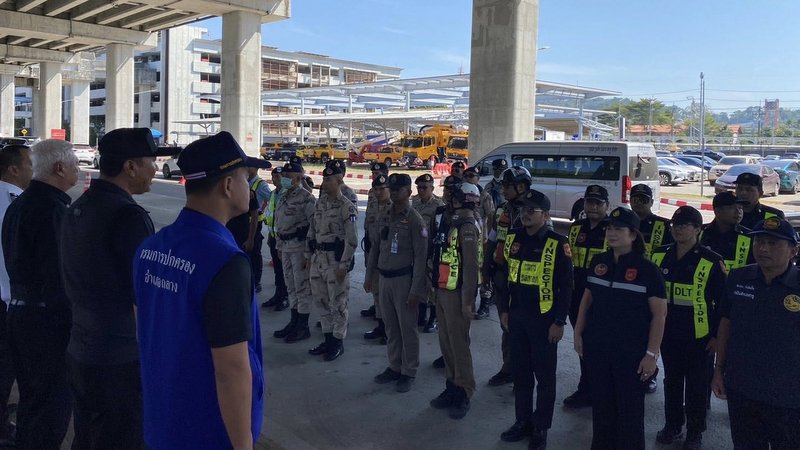
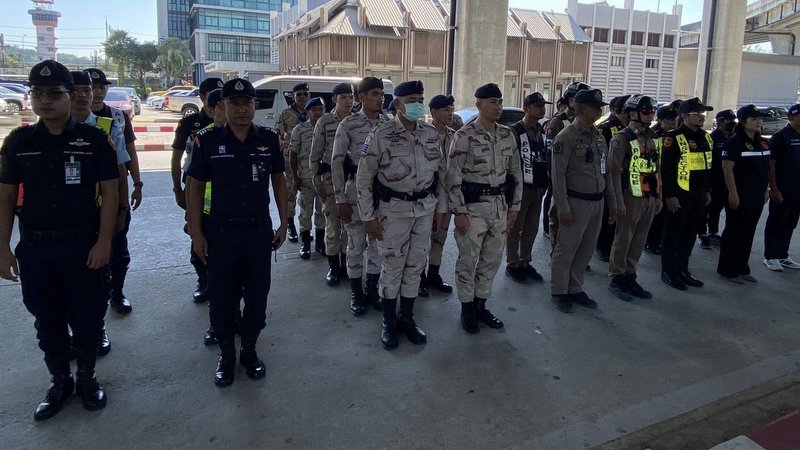
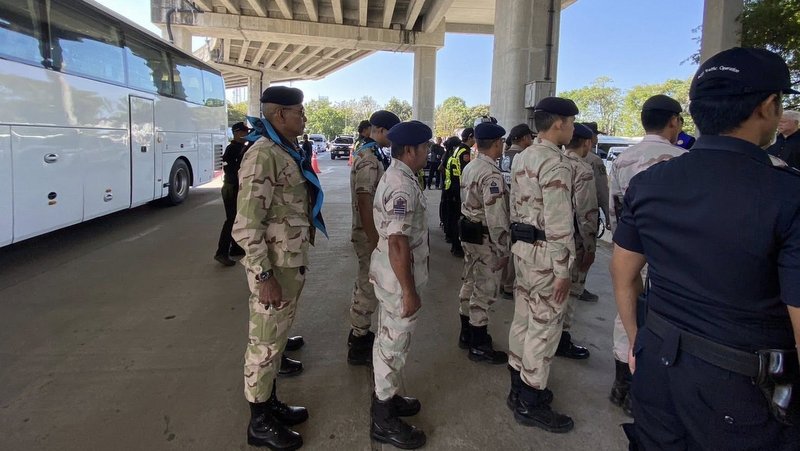
The directive, issued today (Jan 13), calls for integrated operations involving police, administrative officials, volunteer territorial defence forces (Or Sor) and the Phuket Provincial Transport Office (PLTO), with inspections to be carried out across all districts and key transport hubs.
Phuket Vice Governor Adul Chuthong has been assigned to coordinate the operations, working closely with the police and the PLTO, headed by PLTO Chief Adcha Buachan. Inspection teams have been instructed to focus on airport entry points, major tourist attractions and high-traffic service areas where illegal taxi activity is most prevalent.
The move follows a high-level meeting held at Phuket Provincial Hall last week, where officials acknowledged growing pressure from licensed taxi operators who say unregistered vehicles operating through ride-hailing applications are undermining their livelihoods.
At that meeting, chaired by Vice Governor Adul, representatives from the Phuket Provincial Police, the PLTO and other relevant agencies discussed complaints that illegal vehicles were continuing to operate on ride-hailing platforms without proper registration or compliance with transport laws.
Mr Adcha previously said authorities were working to draft clearer and stricter guidelines for ride-hailing application operators, including tougher verification requirements for both vehicles and drivers.
One proposal under consideration would link ride-hailing platforms directly to Department of Land Transport databases to verify vehicle registration and driver’s licences, closing loopholes that allow forged or improper documents to be used.
Alongside digital measures, officials confirmed that physical inspections would continue, with legal action taken against any violations detected.
In today’s announcement, Governor Nirat stressed that enforcement must be carried out strictly within the legal framework, while also ensuring fairness for existing, legally registered operators.
“All relevant agencies must work together seriously and continuously to resolve this issue in a concrete way, while minimising broader impacts,” the governor said.
Authorities reiterated that enforcement would not be limited to roadside checks, but would include coordinated inspections across the province, particularly in areas with heavy passenger demand.
Police have confirmed that enforcement against illegal taxi operators is ongoing, with additional tools set to support operations in the coming months. From around March, the “Phuket Eyes” CCTV system is expected to play a greater role in monitoring and enforcement, particularly in high-risk or congested areas.
At the meeting last week, officials acknowledged structural challenges unique to Phuket, including limited road space, high tourist volumes and a dense concentration of taxis, all of which complicate regulation and enforcement.
Regardless, they emphasised that any long-term solution must strike a balance between operator livelihoods, public convenience and effective regulation, with continued consultations planned to reduce conflict and ensure a fair and sustainable transport system for the island.