



The fatality in Beijing as of yesterday raised the death toll from the new virus to 82, with more than 2,700 people infected across the nation.
However, by Tuesday morning (Jan 28), authorities said the death toll had soared to 106 while nearly 1,300 new cases have been confirmed.
The health commission in central Hubei province, the epicentre of the epidemic, said 24 more people had died from the virus and 1,291 more people were infected, raising the total number of confirmed cases to more than 4,000 nationwide.
Cases have been identified in more than a dozen other countries, including the first confirmed patients in Canada and Sri Lanka.
The United States urged its citizens to "reconsider" all travel to China and told them not to go to central Hubei province, where the pneumonia-like virus emerged. Mongolia closed its vast border to vehicles from China.
Meanwhile, health authorities in Germany’s southern Bavarian region have now confirmed the country’s first case of the deadly coronavirus.
“A man in the Starnberg region has been infected with the new coronavirus,” a spokesperson for the ministry said, adding that the patient was under surveillance in an isolation ward.
The ministry gave no further details on how the patient came to be infected but said he was in a “medically good state”.
France was the first European country to be affected by the outbreak, which has reported three known cases of the virus.
All three had recently travelled to China and have been placed in isolation.
Germany has recommended its citizens avoid “unnecessary” trips to China as the virus spreads.
The country is also considering the possible evacuation of its nationals from the Chinese city of Wuhan, the epicentre of the virus.
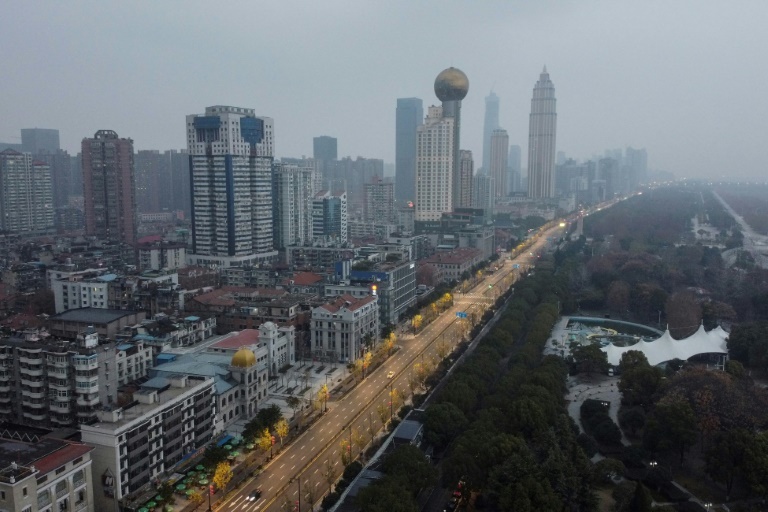
In a sign of mounting official concern, Premier Li Keqiang visited ground zero to oversee containment efforts in Wuhan, a city of 11 million people where the disease first appeared late last month.
The government has sealed off Wuhan and other cities in Hubei province, effectively trapping tens of millions of people including thousands of foreigners, in a bid to contain the virus as the Lunar New Year holiday unfolds.
China decided to extend the holiday, initially due to end on January 30, for three days to limit population flows and control the epidemic.
US President Donald Trump said the United States has offered Beijing "any help that is necessary" in combatting the virus.
The health commission in the capital said a 50 year-old-man who visited Wuhan died of respiratory failure on Monday, less than three weeks after visiting the city.
More than 700 new infections were confirmed in the country, while the number of suspected cases doubled over a 24-hour period to nearly 6,000.
The youngest infected patient was a nine-month-old baby being treated in Beijing.
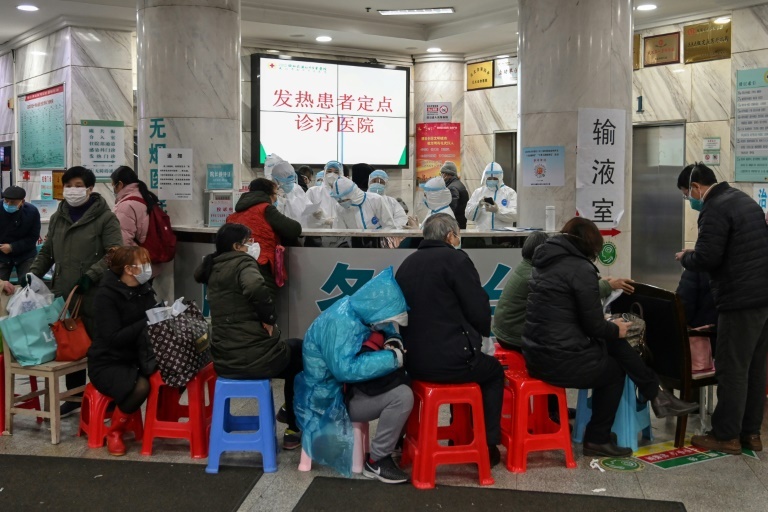
In Wuhan, AFP reporters saw construction workers labouring on one of two field hospitals that China is racing to complete by next week to relieve overcrowded facilities swamped with people waiting for medical attention.
On day five under quarantine, residents shouted “Go Wuhan” from their windows, according to videos posted online, and a building lit up the night sky with the words in red.
“I’m getting more concerned every day,” Do Quang Duy, a 32-year-old Vietnamese masters student in Wuhan, told AFP.
Global fears spread
The United States urged its nationals to “reconsider travel” to China as the epidemic spreads, and categorically advised against travel to Hubei.
A US-bound flight is scheduled to leave Wuhan on Tuesday with consular staff and some American citizens.
Turkey and Germany likewise advised their citizens to avoid non-essential travel to China.
Landlocked Mongolia – which is heavily dependent on trade with China – closed the border with its huge neighbour to cars, cancelled classes until March 2 and suspended large public gatherings.
Malaysia banned visitors from Hubei province.
France plans to fly citizens out of the city in the middle of this week. Japan will also bring its citizens home.
Belgium, Bangladesh, India and Spain said they were working to repatriate their nationals, while Germany was considering the possibility.
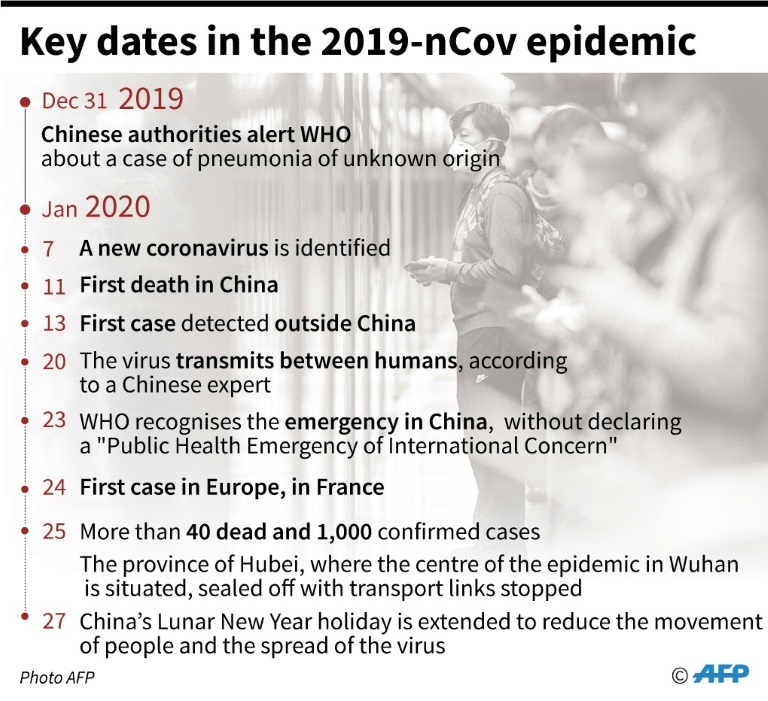
The World Health Organization last week stopped short of declaring the outbreak a global emergency, which could have prompted international trade or travel restrictions.
But the world body on Monday admitted it had made an error in the global risk from the deadly virus, assessing it as “high” worldwide, rather than “moderate”.
WHO chief Tedros Adhanom Ghebreyesus headed to Beijing for discussions with Chinese officials.
Global stock markets and oil prices plunged Monday over coronavirus fears.
WHO says still probing if Chinese virus can spread before symptoms
The World Health Organization said Monday it remained unclear if the deadly coronavirus spreading in China and beyond is contagious during its incubation period, before symptoms appear.
In a fresh report on the new virus, known as 2019nCoV, the UN health agency said current estimates put the incubation period for the virus at between two and 10 days.
“Understanding the time when infected patients may transmit the virus to others is critical for control efforts,” WHO said.
It did not immediately confirm assertions made by Chinese authorities that people who are infected can spread the disease before they show any symptoms of fever or respiratory difficulties.
“Detailed epidemiological information from more people infected is needed to determine the infectious period of 2019nCoV, in particular whether transmission can occur from asymptomatic individuals or during the incubation period,” it said.
The virus has caused global concern because of its similarity to Severe Acute Respiratory Syndrome (SARS), which killed hundreds across mainland China and Hong Kong in 2002-2003 and was also traced to the wild game trade.
The new virus is believed to have jumped to people from animals in a Wuhan market, but it has since begun spreading between humans, although the exact mode of transmission has yet to be confirmed.
As with SARS and another deadly coronavirus known as Middle-East Respiratory Syndrome, or MERS, WHO suggested that the new virus could be spreading through droplets, for instance when people sneeze or cough, or through direct contact with infected people or with objects they have touched.
To reduce the risk of infection, WHO stressed the need to avoid close contact with people suffering from acute respiratory infections, frequently wash one’s hands, and avoid unprotected contact with farm or wild animals.
The agency also stressed the importance of practising so-called cough etiquette, including maintaining distance and covering coughs and sneezes with tissues.
WHO has not recommended any international travel or trade restrictions, but does call for high levels of vigilance, including encouraging airport exit and entry screening for passengers leaving affected areas to check for fever and coughs.
China shuts down
The virus is believed to have jumped to people from animals in a Wuhan market that sold a wide range of exotic wild game. China on Sunday banned all wildlife trade until the emergency subsides.
Authorities around China have already imposed aggressive curbs on transport during the usually high-traffic Lunar New Year season to keep the virus from spreading.
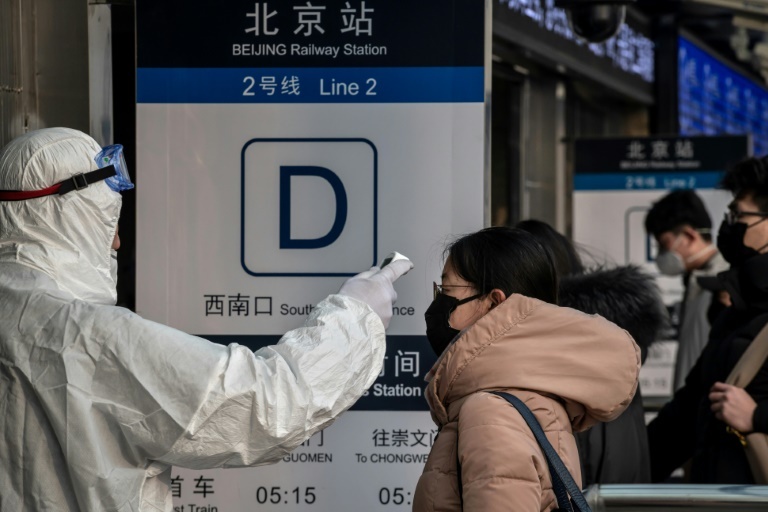
At Beijing’s main international airport, almost all passengers wear masks. Fever checks are conducted at subway and railway stations.
Typically, hundreds of millions of people criss-cross China in jam-packed buses and trains during the holiday, a time for family reunions.
But the festivities have been ruined this year by coronavirus, which can be transmitted between humans, with people told to avoid gatherings.
Countless popular public attractions and seasonal festivals have been shut down. Several Beijing malls shortened their opening hours, according to state media.
The nationwide measures threaten to put a dent in an economy that was already slowing down.
Beijing and Shanghai were among places mandating stringent checks and 14-day observation periods for people arriving from Hubei.
Wuhan’s mayor Zhou Xianwang said around five million people had left the stricken city during the new year travel rush in January, highlighting fears the virus could spread further.