


Mr Thaneth said the surge in fuel prices is already feeding directly into operating costs across hotels, transport providers and tour operators, with the impact expected to intensify in the coming months.
“These costs will inevitably be passed on,” he said, cautioning that tourists are likely to face higher room rates, more expensive tour packages and increased transport fares if the situation persists.
CALL FOR SUPPORT
In response, tourism and industry leaders are proposing a package of short-term interventions aimed at cushioning the immediate impact, alongside longer-term reforms to reduce reliance on volatile fuel markets.
Among the key measures being urged is a freeze on diesel prices for tourism operators through support from the Oil Fund, as well as the introduction of a special “tourism fuel rate” for transport providers, including hotel shuttles, tour buses and tourist boats.
Operators are also calling for temporary reductions in fuel excise taxes for a period of six to 12 months, in addition to energy tax credits that would allow businesses to offset rising fuel and electricity costs.
Further proposals include soft loans, debt relief and targeted tax reductions for small and medium-sized enterprises (SMEs), which make up a significant portion of Phuket’s tourism sector.
“Larger operators may be able to absorb some of the increases, but SMEs have limited financial flexibility,” Mr Thaneth said. “If costs continue to rise, they will have little choice but to adjust prices.”
To help maintain demand, industry leaders are also pushing for an expansion of domestic tourism stimulus programmes, aimed at supporting visitor numbers without forcing businesses to significantly increase prices.
Airlines have also been identified as a critical pressure point, with proposals for reduced jet fuel taxes, lower airport fees and incentives to maintain international routes to Phuket.
PRICE SURGE
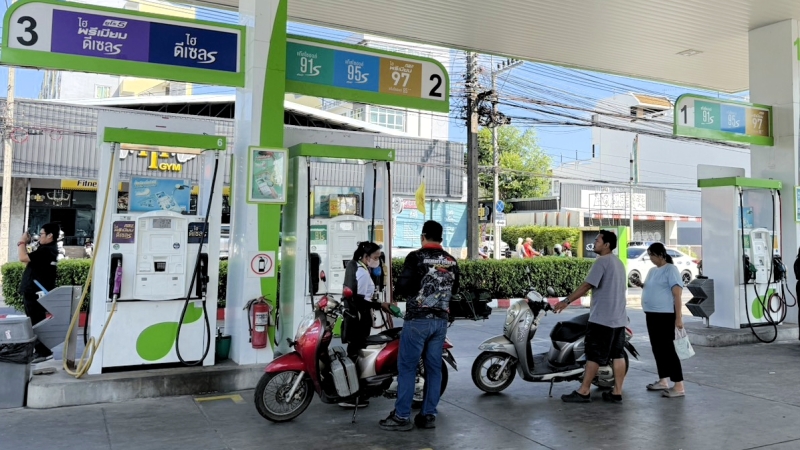
Fuel prices across Phuket surged on Mar 26, with increases of up to B6 per litre taking effect from 5am, following the government’s decision to end subsidies that had kept domestic prices artificially low.
The move comes amid rising global oil prices driven by ongoing geopolitical tensions, particularly in the Middle East.
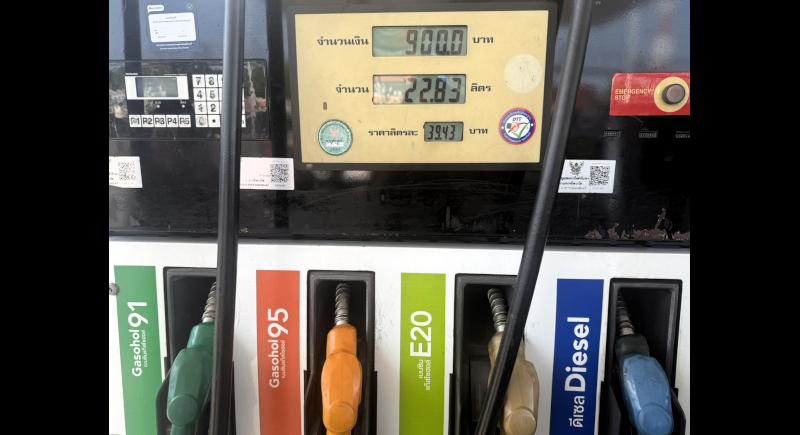
Although prices have eased slightly from their immediate post-hike peak, the adjustment remains significant. Diesel is now retailing at B38.94 per litre, while premium diesel has reached as much as B57.43 per litre.
Petrol prices have also edged higher. Gasohol 95 now stands at B42.19 per litre, up from B41.05, while Gasohol E20 remains the cheapest widely available option at B36.05 per litre.
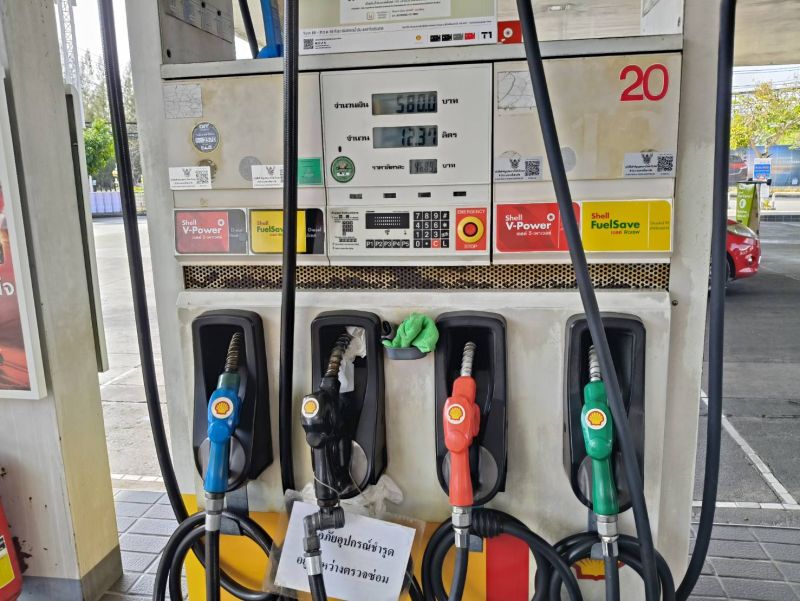
Officials have noted that prices may vary slightly between stations due to differences in operating costs and logistics, and operators have been instructed to clearly display pricing amid concerns over profiteering.
RIPPLE EFFECT
According to Mr Thaneth, rising fuel prices are affecting all major components of Phuket’s tourism economy, from accommodation and land transport to marine services.
The current “marketing margin” ‒ the difference between wholesale and retail fuel prices ‒ has reached about B6 per litre, further compounding cost pressures throughout the supply chain.
Research from Prince of Songkla University highlights the scale of the issue, pointing to a deeply interconnected cost structure within the tourism sector.
A study led by Assoc Prof Dr Chayanon Phucharoen found that transportation accounts for 39-48% of energy costs in tourism-related activities, while hotels account for around 24%, making both sectors highly vulnerable to fuel price fluctuations.
Although restaurants have lower direct energy exposure, they are still indirectly affected through rising logistics and raw material costs, which ultimately push up menu prices and overall tourist spending.
Simulation data suggests that even moderate increases in energy prices can have measurable effects. A 10% rise in energy costs would increase hotel expenses by around 5% and transportation costs by more than 7%.
Under a more severe scenario, a 50% surge in energy prices could raise hotel costs by as much as 25.7% and transportation costs by up to 38.5%, reflecting what industry leaders describe as a system-wide ripple effect.
PRESSURES BUILD
Assoc Prof Dr Chayanon warned that rising oil prices are likely to push up the overall cost of living in Phuket, where expenses are already higher than in many other provinces.
He explained that oil is a key input across nearly all economic activities, meaning price increases will ripple through transportation, goods and services, contributing to inflationary pressures.
He also cautioned that tourism demand itself could be affected, particularly in long-haul markets such as the Middle East, where higher travel costs and ongoing regional tensions may dampen outbound travel.
If the situation persists, Phuket could face a difficult low season, with declining tourist numbers coinciding with rising operating costs.
“In the longer term, if prices continue to rise while incomes weaken, consumer spending may decline, forcing market adjustments,” he said.
Phuket Chamber of Commerce President Kongsak Khoophongsakorn said the broader economic impact of rising fuel prices is likely unavoidable.
He warned that the recent B6-per-litre increase may not represent the peak, with further rises possible depending on global market conditions.
“Higher energy costs are expected to drive up electricity, production and logistics expenses, potentially pushing consumer prices up by 10–20% in the coming months,” he added.
CONCERNS REMAIN
Rattakorn Klinchan, Chief of the Phuket Energy Office, described the recent increase as “sharp and rapid”, acknowledging that it has caught many sectors off guard.
“The rise will inevitably have an impact, especially on tourism, where energy is a major cost component,” he said.
He explained that Thailand remains heavily reliant on imported oil, particularly from the Middle East, making domestic prices highly sensitive to global market conditions.
“The government is trying to stabilise prices, but the real cost is much higher,” he said. “This adjustment is unavoidable. Without it, the stability of the Oil Fund would be at risk.”
Despite concerns, Mr Rattakorn confirmed that Phuket is not facing any fuel shortages, with overall supply remaining sufficient.
However, he noted a shift in consumption patterns, particularly for diesel, as more heavy vehicles choose to refuel in Phuket amid concerns about shortages elsewhere.
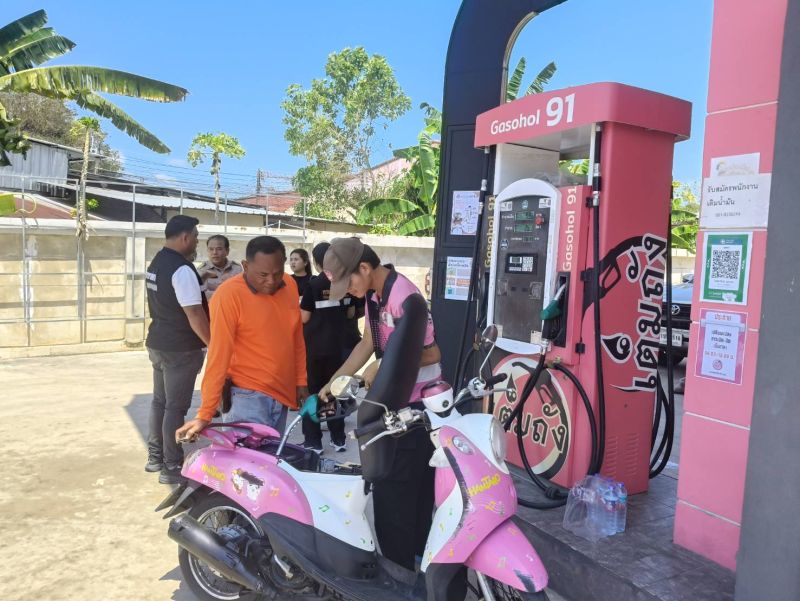
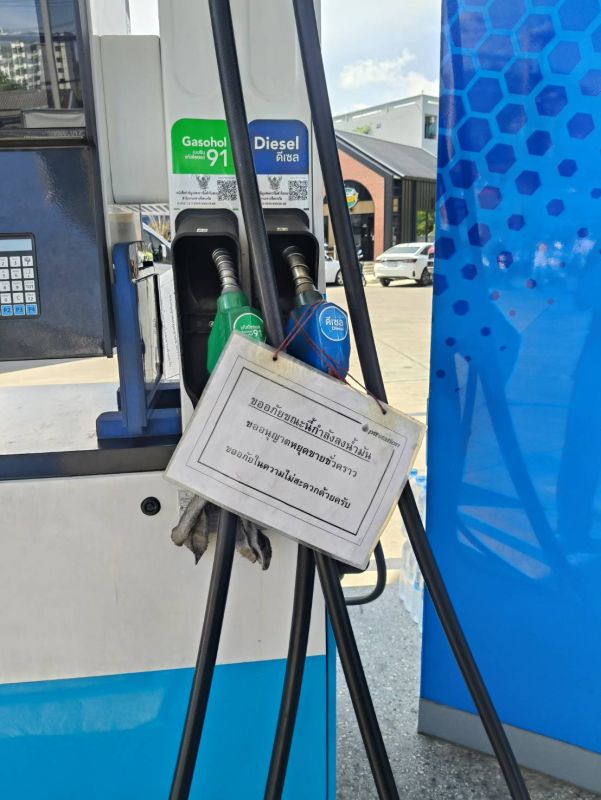
To manage supply, some service stations have introduced limits on fuel purchases per vehicle to ensure broader distribution.
“Without proper management, we could run out within half a day,” he warned.
LONG-TERM CHANGE
Beyond immediate relief, industry leaders are also advocating for structural changes aimed at reducing dependence on fossil fuels.
Proposals include government co-investment in solar energy installations for tourism businesses, particularly hotels, as well as the development of electric vehicle infrastructure across key destinations.
Such measures are seen as essential not only for stabilising long-term costs but also for aligning Phuket with global trends toward sustainable tourism.
In the meantime, authorities are urging both businesses and the public to adopt energy-saving measures, including reducing fuel consumption and considering alternative fuels such as Gasohol E20.
“Ultimately, we all need to work together to conserve energy and use it as efficiently as possible,” Mr Rattakorn said.