


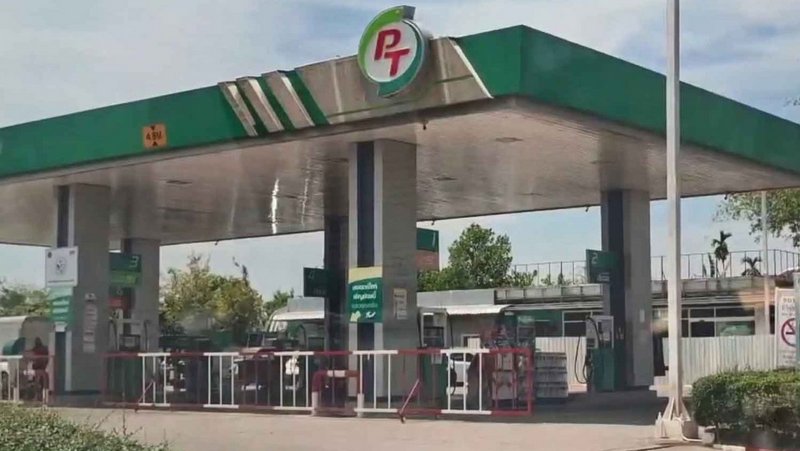
The situation has emerged in parts of the North and South as deliveries from fuel depots decline and demand rises, reports the Bangkok Post.
At a Sapphayom petrol station on Highway 108 in Mae Sariang district of Mae Hong Son province, owner Adul Payomdong said the station had increased retail prices due to rising wholesale costs.
“I planned to suspend fuel sales temporarily because we could not compete with the prices of major stations,” he said. “But our regular customers said they were willing to continue buying even if the price was adjusted, so I decided to keep operating for now.”
The independently-owned station sells diesel at B40.50 per litre, gasohol 95 at B37.60 and petrol at B46.
The price rise had been reported to provincial energy authorities, adding independent operators receive little price support compared with large branded stations.
Fuel availability in Mae Sariang remains limited. Several stations have restricted sales in containers and jerry cans to 30 litres per person to ensure supplies last for locals.
Trucks transporting fuel from depots require about seven hours to reach the district, and deliveries often sell out within three hours after stations reopen.
Similar rationing measures have been reported in southern provinces including Phatthalung, Songkhla and Trang, where branded petrol stations have reduced allocations from storage depots.
A source at a station in Phatthalung said deliveries had dropped sharply from about 12,000L per shipment to roughly 6,000L every three days.
Some stations limit refuelling to about B500 per visit for cars and B100 for motorcycles, while large containers are no longer permitted.
Senator Pornperm Thongsri, chair of the Senate Energy Committee, has urged the government for clear messaging on the national oil reserves to prevent public misunderstanding.
“We should not conceal information. If people do not understand, it could become a serious issue,” he warned, adding that panic buying could lead to disputes at petrol stations.
Another senator, Viwat Kraipisitkul, chairman of the Senate Commerce and Industry Committee, urged the public not to hoard fuel unnecessarily, noting prices could gradually ease if diplomatic negotiations succeed in ending tensions in the Middle East.