


Vietnam posted a record high of 21 million foreign arrivals last year, and the country has invested heavily in infrastructure over the past few years, reports the Bangkok Post.
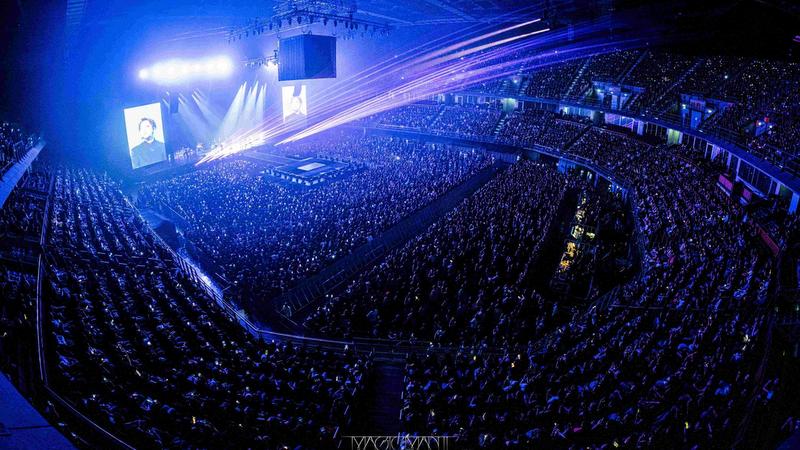
In November, Vietnam hosted the G-Dragon 2025 World Tour in Ocean City in Hanoi, welcoming nearly 100,000 fans. It was the first world tour by a leading international artist held in Vietnam, marking a milestone for the nation as an events destination, according to host Vingroup.
Vietnam has developed several new venues, including the Vietnam Exposition Center, opened at Dong Ahn, Hanoi in August as Southeast Asia’s largest exhibition centre, with a total area of 900,000 square metres.
Meanwhile, the construction of PVF Stadium in Hung Yen province started in October 2025. The 60,000-seater has a fully retractable roof and is slated to become the country’s largest sports venue.
The country also welcomed a US$2 billion investment by Sun Group in Van Don Integrated Casino & Tourism Complex, featuring casinos, hotels, malls, and convention and exhibition halls.
This project is expected to enhance the Van Dong Economic Zone in Quang Ninh province.
THAILAND’S STRENGTHS
Upathum Nisitsukcharoen, chairman of the Business of Creative and Event Management Association, said Vietnam has recorded 5-7% annual GDP growth for several years, bringing wealth to the Vietnamese people.
Along with an influx of investments in next-generation industries, Vietnam’s Mice (meetings, incentives, conventions and exhibitions) sector is also growing.
However, Thailand can still compete by leveraging its strength in the Mice, festival and tourism sectors, as the nation still has a larger total area for event spaces and more diverse venues than Vietnam, said Mr Upathum.
Over the past few years, new venues have opened including UOB Live at Emsphere, as well as areas in One Bangkok and Dusit Central Park, while Queen Sirikit National Convention Center was renovated.
Bangkok Land, the developer of Muang Thong Thani, plans to build a new stadium with more than 45,000 seats on the site that currently hosts Thunder Dome and a football pitch. Once finished, the stadium could be a new option for events seeking the same scale as Bangkok’s Rajamangala Stadium.
"More developers of mixed-use and commercial projects are incorporating meeting spaces into their projects to attract crowds, as today’s lifestyle increasingly favours live experiences more than ever," he said.
To become an event and festival hub, Thailand does not need to have many large 50,000-seat stadiums as there are few events that can attract a crowd of that size, said Mr Upathum.
Meanwhile, retractable roofs are not the most important component for new facilities as organisers can decide in advance which events should held indoors or outdoors, he said.
"What works best is having a wide variety of venue types and sizes that can host frequent events throughout the year, both in city centres and on the outskirts," said Mr Upathum.
Thailand already has a large base of repeat visitors with high spending power compared with Vietnam, giving it an advantage in hosting events, he said.
Thailand is also renowned for warm hospitality, beaches and natural attractions, as well as top international hotels.
The country has strong air travel connections, with a strategic location at the centre of Southeast Asia and fewer storms than a coastal country such as Vietnam, said Mr Upathum.
STATE SUPPORT
He said Thailand should continue investing in infrastructure, while working to elevate local events to an international scale.
The government should support the private sector by subsidising the licences for international events, such as Tomorrowland, as the previous government approved a budget to host the event from 2026 to 2030, said Mr Upathum.
While most global events depend on their own expertise and bring in teams and productions from abroad, the government should prioritise developing local talent in the industry, he said.
Mr Upathum said Thailand’s event business last year was estimated to earn 16 billion baht in revenue, growing thanks to the government’s efforts to promote festivals, Mice and soft power.
The industry is expected to keep growing this year, despite forecasts of sluggish economic growth and stagnant property and automotive sectors.
"People are still willing to spend on experiences, especially for their favourite artists or niche markets," he said.
Ticket prices are typically adjusted based on supply costs and demand.
Thailand can look forward to new events next year, while popular shows are set to become even bigger, said Mr Upathum.