



But it would still be more economical than holding them separately, the EC said, reports the Bangkok Post.
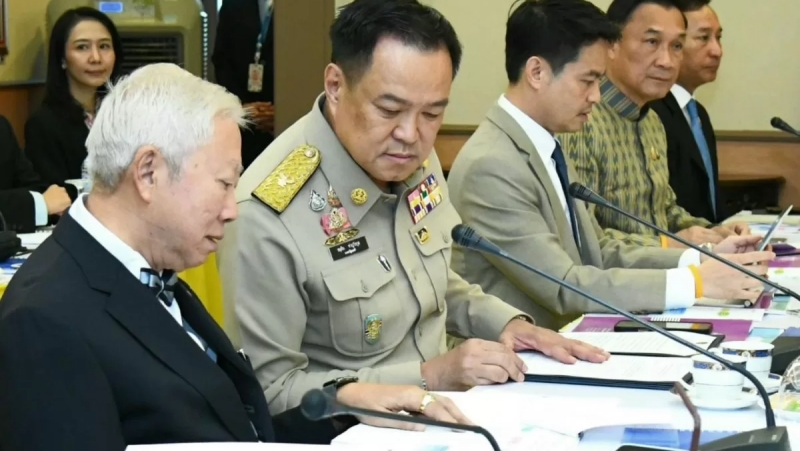
The cost details came as Prime Minister Anutin Charnvirakul met with EC chairman Ittiporn Boonpracong, EC Secretary-General Sawang Boonmee, and other commissioners on Friday to discuss the holding of a constitutional referendum and the potential revocation of the MoUs between Thailand and Cambodia, signed in 2000 and 2001.
After the meeting, Mr Ittiporn said that the session was an initial discussion to exchange views on whether a referendum and general election could be held on the same day.
The talks covered operational processes, budgeting, and the factors that would determine feasibility. He emphasised that the conversation was broad and preliminary, with no final decisions made at this stage.
Regarding ballot papers, he said that under the current plan, there would be two ballots in the election ‒ one for constituency MPs and one for party-list MPs.
If the referendum on constitutional amendments and the revocation of the MoUs are included, there would be a total of four ballots, he said.
Mr Ittiporn said having multiple ballots could cause confusion among voters, so the EC would need to carefully design a management and communication strategy to ensure voters, eligible referendum participants, and polling officials understand each ballot clearly. The EC, he said, will develop detailed procedures to ensure smooth operations.
When asked whether the EC is ready to proceed under the new Referendum Act, Mr Ittiporn said the EC is prepared to operate under either the existing law or the new one once it comes into force. Details such as vote-counting procedures ‒ whether to count MP ballots or referendum ballots first ‒ have not yet been discussed and will require further deliberation.
As for the budget, Mr Ittiporn said that preliminary estimates suggest that if the referendums and general election are held together, the cost would be approximately B9bn. However, if they are held separately, the total expenditure would exceed B10bn. The calculation is based on an estimated 53 million eligible voters in 2026.
When asked whether the referendums would also cover voting outside the kingdom, Mr Ittiporn explained that, under the new Referendum Act, which has now come into effect, overseas referendums will be permitted for the first time, allowing Thai nationals residing abroad to participate.
Reporters also asked Mr Anutin whether he still intended to hold a referendum on the Thai–Cambodian MoUs, given concerns raised by academics and politicians.
Mr Anutin replied that the matter remains part of the government’s policy statement already presented to parliament. He said the process must move as quickly as possible, aiming to achieve clear progress by Jan 31 next year.