


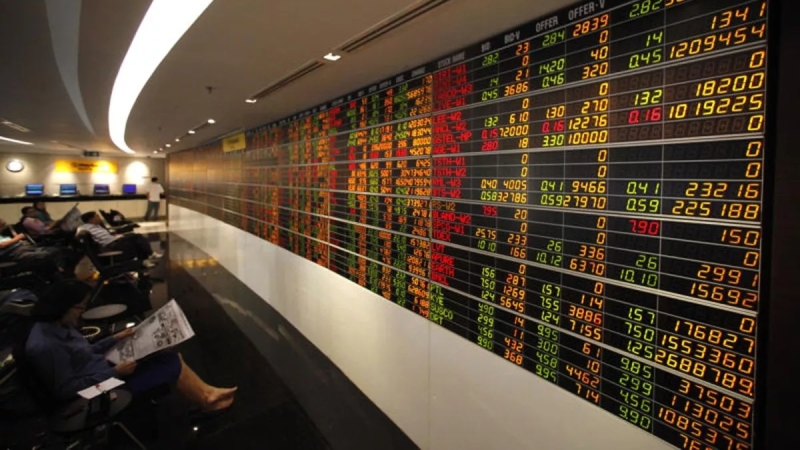
"The early parliament dissolution could be negative to the market in the short-term. First, it could make managing the Thai-Cambodia border conflict more difficult as a caretaker government would be in place during the transition to the election," said Rakpong Chaisuparakul, senior vice-president at KGI Securities (Thailand), reports the Bangkok Post.
"The dissolution of parliament came sooner than had been agreed upon in the memorandum of agreement [MoA] that planned for a dissolution in late January 2026. Based on the constitution requiring the election to be held within 60 days of the dissolution, the most likely poll date, in our view, is Sunday, Feb 8, 2026."
In addition, early dissolution raises uncertainty as to whether the caretaker government can approve much-awaited consumption stimulus such as the second phase of the ‘Khon La Khrueng Plus’ co-payment scheme, he added.
Kitpon Praipaisarnkit, vice-president of UOB Kay Hian Securities Thailand, said the biggest concern for the Thai stock market is whether the recently-announced tax deductions of up to B800,000 under the Thailand Individual Savings Account (TISA) scheme would be continued.
Designed to stimulate long-term savings and boost financial stability among Thais, the TISA scheme will help to channel more capital into the stock market.
"No matter who leads the new government after the election, we hope the TISA scheme will be carried forward," said Mr Kitpon.
He also expressed worries about the overall economic situation, as the party that is likely to win the next general election does not seem to be prioritising a revival in economic growth.
"Obviously, the top agenda of the People’s Party is amending the constitution rather than revitalising the sluggish economy," he told the Bangkok Post.
Natapon Khamthakrue, assistant managing director of securities analysis at Yuanta Securities (Thailand), said stock market participants are now increasingly expecting the Bank of Thailand to cut interest rates at its meeting on Dec 17 as political uncertainties mount.
"As the parliament is dissolved earlier than earlier projected, government disbursement will likely be disrupted, meaning the central bank has more room to step in to revive the economy by cutting the rate by 0.25% next week, bringing the rate to 1.25%," noted Mr Natapon.