


The warning comes despite Phuket provincial officials budgeting more than B5 million a year for stray dog management.
Figures presented at a Phuket Stray Dog Shelter meeting with Vice Governor Teeraphong Chuaychoo last month showed the province has allocated a proposed budget of B5,001,230 for fiscal 2027 to care for 1,004 dogs. However, Phuket Provincial Livestock Chief Suthat Niyomthai admitted the real cost of operating the shelter is significantly higher.
“Actually, it’s not enough,” Mr Suthat told The Phuket News. “To properly manage the shelter, we probably need around B7-8mn per year.”
Statistics presented to the committee also showed the shelter population has remained consistently above 1,000 dogs for months, with officials reporting an average of 20-30 new dogs arriving each month from municipalities across Phuket.
Records showed the shelter population rose from 1,103 dogs in October last year to 1,101 in November, 1,102 in December, 1,077 in January, before slightly dropping to 1,054 in February and climbing again to 1,051 in March and 1,056 in April.
The data also showed Wichit Municipality, Ratsada Municipality and Chalong Municipality were among the areas sending the highest numbers of dogs to the shelter.
During the same six-month period, 55 dogs died at the shelter, 53 were adopted, and 69 were transferred out for medical treatment, with 38 later returned to the shelter after recovery.
Officials said the figures reflected the constant pressure on the overcrowded facility, as new dogs continue to arrive faster than the shelter can reduce the population through adoption and sterilisation programmes.
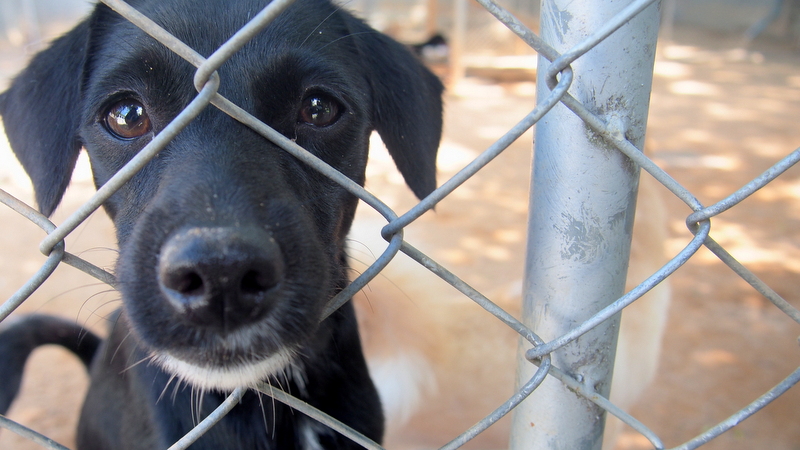
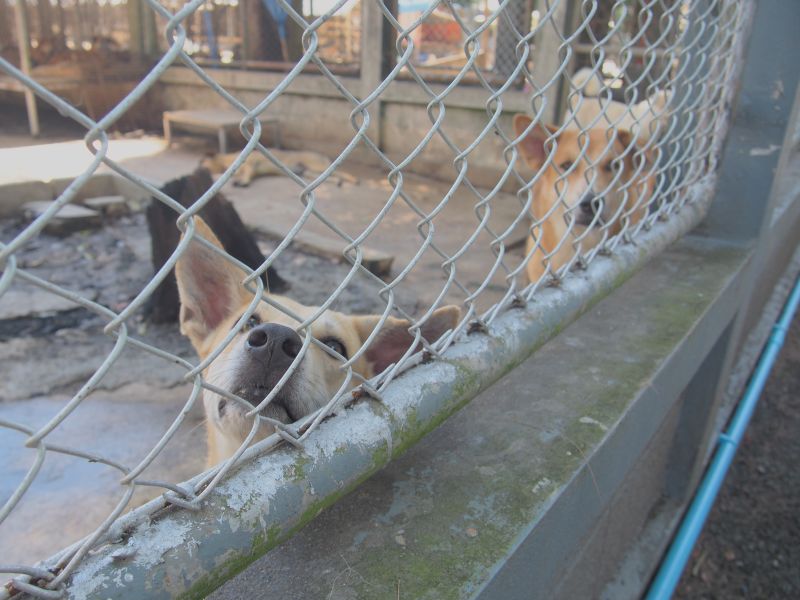
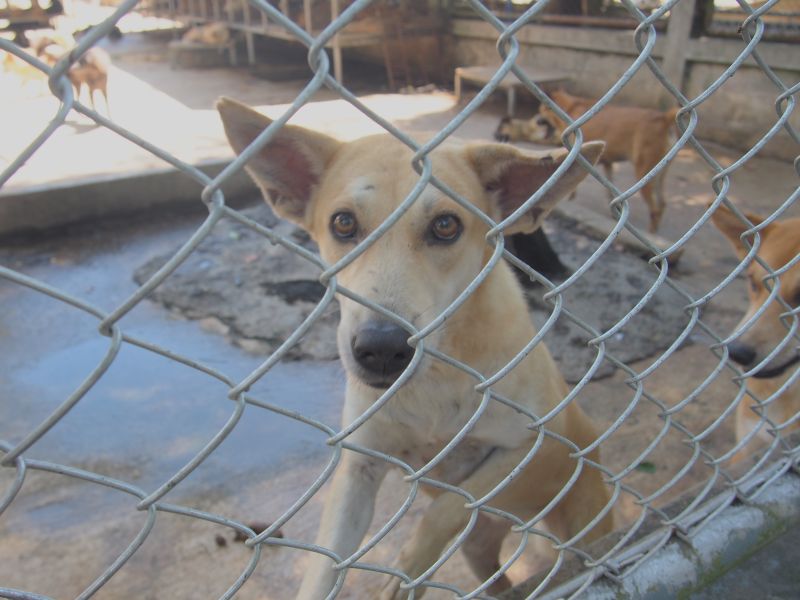
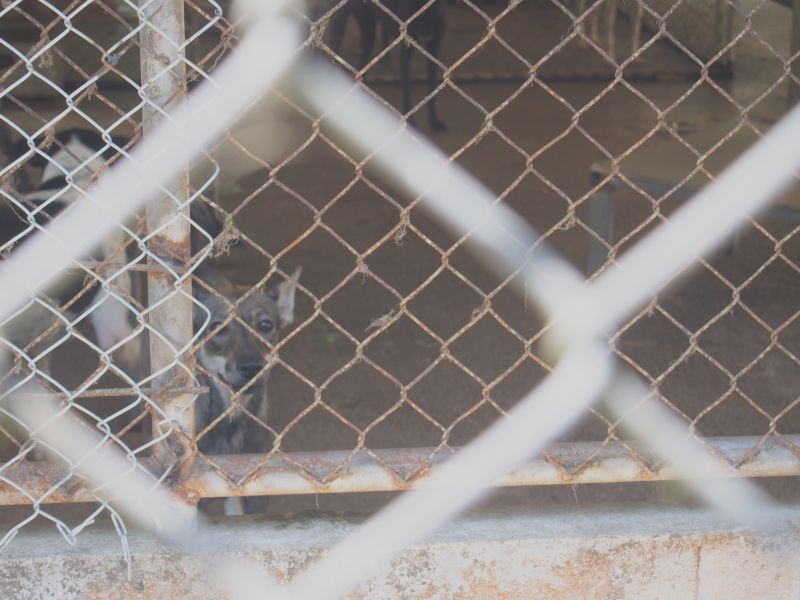
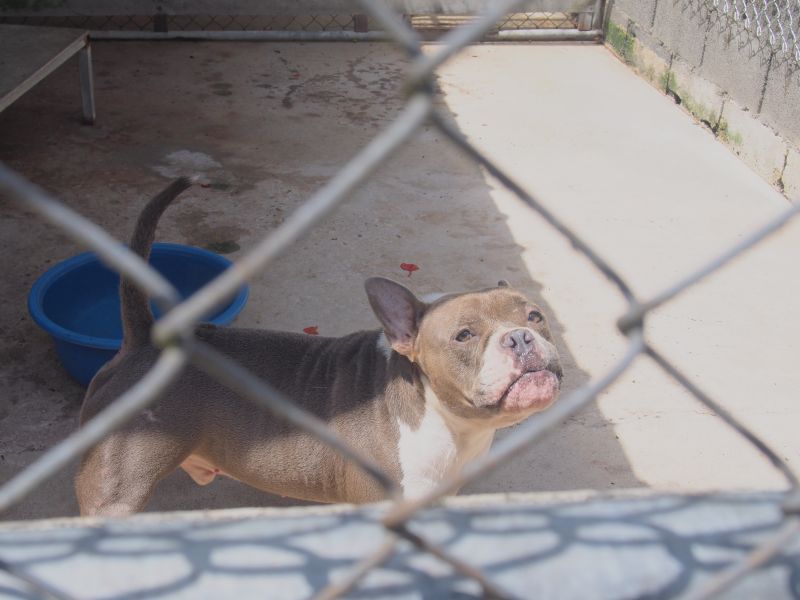
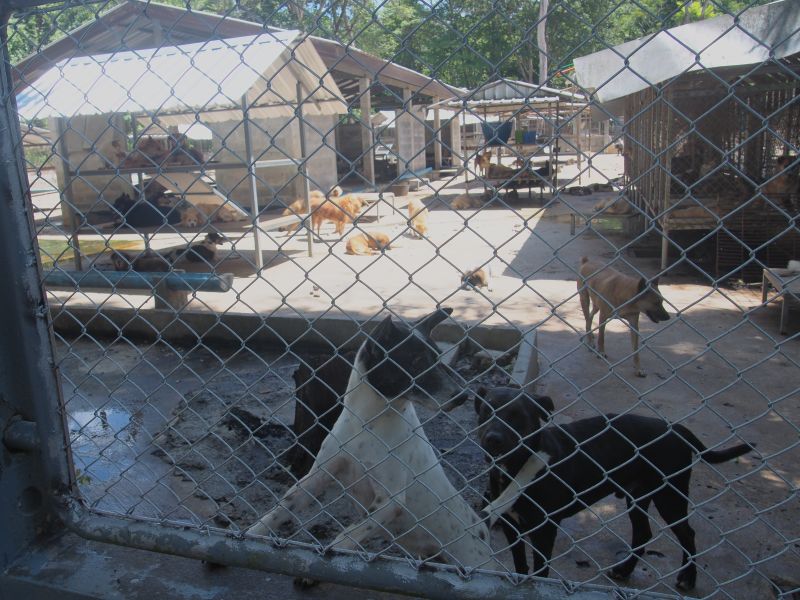
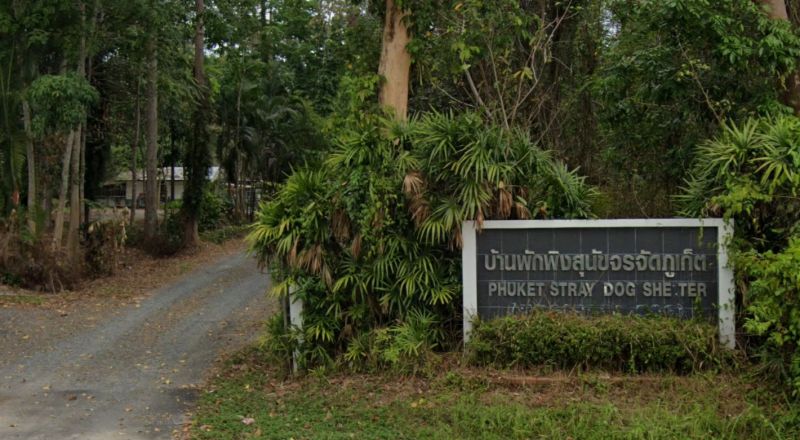
The shelter, located on Thepkrasattri Rd in Mai Khao, south of Phuket International Airport, currently houses 1,056 dogs across 14 enclosures on just four rai of land.
“The entire operation is run by only nine staff members – one manager and eight workers.
“That means each person is taking care of more than 100 dogs,” Mr Suthat said.
The facility accepts stray, abandoned and aggressive dogs from across Phuket, including animals removed from beaches, tourist areas and residential communities after complaints from residents or tourists.
Under the current system, municipalities and local administrative organisations are required to certify and financially support dogs originating from their jurisdictions at a rate of B13 per dog per day.
If all 18 local authorities contributed fully, including the Phuket Provincial Administrative Organisation (PPAO), the shelter would receive roughly B5 million annually.
“But last year we only received 52%,” Mr Suthat said. “Some local authorities pay 100%, some pay only 50%, and the rest has to come from donations.
“The main expense is food,” he added. “The shelter uses approximately 300 kilogrammes of dog food daily – around 15 sacks, or 9,000-9,300kg, per month costing nearly B700 each.”
“We are really asking for help with food donations,” Mr Suthat said.
The shortages become most severe between October and December each year while waiting for new government budget approvals.
“Sometimes we have to reduce the amount of food by half,” he admitted.
SHELTER STRESS
The shelter is also grappling with worsening infrastructure problems. Water shortages mean staff cannot clean all kennels simultaneously, forcing them to rotate cleaning schedules using well water after mains water supplies proved insufficient.
“We ask local authorities to bring water, but it runs out within a day because we need huge amounts for cleaning, drinking water and helping the dogs cope with the heat,” Mr Suthat explained.
At the same time, the facility is rapidly running out of space to dispose of animal carcasses and waste.
The shelter can only use the land within its fenced compound, while surrounding land belongs to the Treasury Department and remains unavailable despite repeated requests for expansion from the central government.
“When animals die, we bury them and use lime for disinfection, but eventually the pits fill up,” Mr Suthat said. “We don’t know where future disposal will go.”
Despite the operational strain, officials insist the shelter is managing disease outbreaks more effectively following last year’s canine distemper crisis, which forced temporary suspension of dog intake.
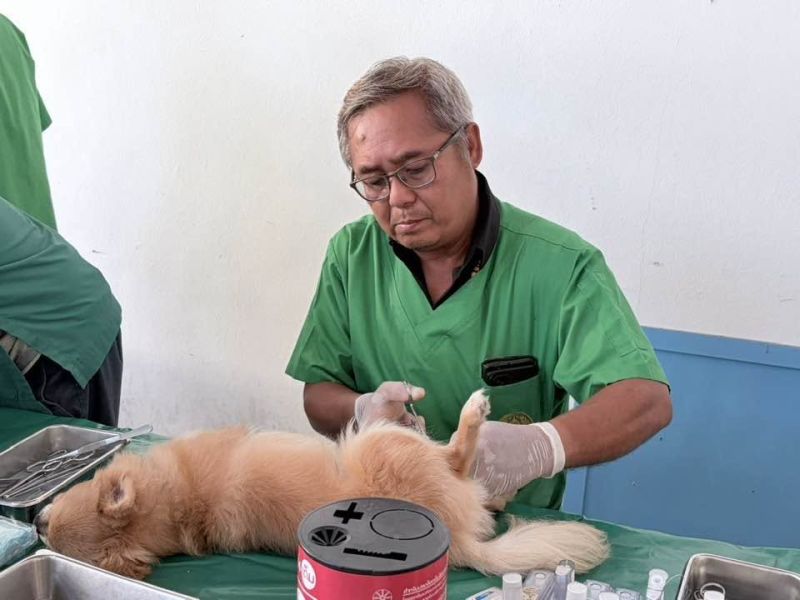
Mr Suthat said all incoming dogs are quarantined for 21 days, vaccinated against rabies, distemper and other diseases, and sterilised before entering the main population.
“Currently, there are no distemper problems inside the centre,” he said. “But outbreaks remain a risk from stray dogs outside that have never been vaccinated.”
SOI DOG
The government shelter receives ongoing support from the renowned Soi Dog Foundation, whose veterinarians visit weekly and assist with severe medical cases. However, the Soi Dog Foundation is also under financial strain.
Phuket’s largest animal welfare NGO, the Soi Dog Foundation says rising costs and increasing emergency rescues continue to place heavy pressure on private-sector animal welfare operations despite years of sterilisation campaigns.
In 2025 alone, the foundation treated 24,125 dogs and cats, handled 17,593 emergency rescue calls and performed 24,239 surgeries.
The foundation currently houses 1,428 shelter animals while operating 21 mobile sterilisation units across Thailand.
A representative from Soi Dog said inflation, rising food prices, medication costs and fuel prices have significantly increased the cost of care.
“Even though we have campaigned for free sterilisation and vaccination for more than 20 years, we still see dogs and cats abandoned in communities and temples almost every day,” she said.
The foundation noted that Phuket’s stray dog situation has improved significantly compared with previous years because of long-running sterilisation and vaccination programmes coordinated between municipalities, the government shelter and Soi Dog.
However, the organisation warned that cats are becoming an increasing concern.
“One female cat can become pregnant five times a year,” the representative said. “Within two years, one cat can produce up to 100 kittens.”
The foundation also confirmed canine distemper remains an ongoing threat across Phuket and neighbouring provinces.
Last year alone, Soi Dog treated more than 180 dogs infected with distemper, many of which had never been vaccinated.
“Outbreaks still occur every one to two years,” the foundation warned.
Soi Dog continues to urge pet owners to sterilise animals and avoid abandoning pets when relocating or leaving Thailand.
DOG DUMPING
Provincial Livestock Chief Mr Suthat said many of the dogs arriving at the government shelter were not born on the streets, but were once owned pets abandoned after owners moved away, returned overseas or could no longer care for them.
He said some cases involved large-scale abandonment after breeding operations or informal “farms” shut down, leaving animals behind without proper care.
Recent cases included more than a dozen abandoned cats and several husky dogs left at properties after owners vacated the premises, adding further pressure on already overstretched rescue systems.
“We would rather people bring animals to us properly than dump them in communities, beaches or empty houses,” Mr Suthat said.
He stressed that every dog entering the shelter is sterilised unless it arrives pregnant or is medically unfit for surgery at the time.
“There are no puppies being bred inside the shelter,” he said. “If dogs arrive pregnant, we allow them to give birth first before sterilising them. Most puppies born here are later adopted.”
Mr Suthat said sterilisation remained one of the most important long-term solutions to Phuket’s stray animal problem, alongside responsible ownership and adoption.
“We are trying to reduce the population, not increase it,” he said.
Mr Suthat warned that uncontrolled breeding, abandonment and the popularity of buying pedigree animals continue driving the stray population despite years of sterilisation campaigns.
“Many people buy dogs or cats when they are cute, but later abandon them when they become difficult, aggressive, sick or expensive to care for,” Mr Suthat said.
Foreigners are permitted to adopt dogs from the shelter but must provide passport identification and photographs proving they have suitable living conditions.
The shelter has also tightened adoption screening after previous cases in which adopted dogs were later released back into communities.
“Now we have to inspect more carefully,” Mr Suthat said.
The shelter does not officially accept cats, though abandoned cats are frequently left there regardless.
Officials confirmed discussions are underway involving private-sector support for a dedicated cat shelter in Patong.
Meanwhile, volunteers continue helping socialise aggressive dogs and walk animals to improve adoption prospects.
“If we had more budget, we would like a veterinary hospital and permanent veterinarians here,” Mr Suthat said.
For now, Mr Suthat says the most urgent needs remain food donations, cleaning supplies, hoses, leashes and foster homes.
“The biggest problem now is no longer disease,” Mr Suthat said. “It’s the growing number of animals and the resources needed to care for them.”