



The proposal emerged this past week alongside ongoing public consultations on the draft announcement of the Ministry of Natural Resources and Environment (No. 2), which seeks to revise environmental protection measures across the island.
The draft, led by the Office of Natural Resources and Environmental Policy and Planning (ONEP), aims to address long-standing enforcement challenges, unclear legal wording and inconsistencies that have complicated development approvals in Phuket.
According to the MNRE Phuket report, developers argue that the current requirement to submit multiple EIAs within a single project creates unnecessary delays, higher costs and administrative burdens, particularly for large-scale developments comprising multiple buildings.
“They are advocating for a unified EIA submission covering entire developments, saying this would better reflect how projects are planned and constructed in reality, while improving efficiency in approvals,” the report said.
However, concerns remain that easing EIA requirements could weaken environmental oversight if not accompanied by stricter monitoring mechanisms.
According to ONEP, the revised draft focuses on correcting urgent issues identified through continuous feedback from government agencies, private sector stakeholders and the public.
Key problems highlighted include unclear interpretation of several provisions ‒ particularly Sections 6, 7, 8 and 13 ‒ as well as “inconsistencies in enforcement”.
Practical issues cited include:
- No standard method for calculating permeable land and sustainable green space
- Lack of clear rules for hillside construction
- Uncertainty over modifying existing buildings in previously approved zones
- Conflicts in building height measurement under overlapping laws, including Ministerial Regulation No. 20 under the Building Control Act
There are also unresolved questions over land use rights, particularly involving state land such as SorPorKor agricultural reform land and royal property, as well as whether ownership changes after 2017 affect development rights.
NEW DRAFT
The draft introduces clearer environmental requirements, mandating that projects meeting defined criteria must complete either an Initial Environmental Examination (IEE) or full EIA before construction or modification.
Revised thresholds would require EIAs for hotels, condominiums and residential buildings with 80 rooms or more, or total usable space exceeding 4,000 square metres, located at least 50 metres from the coastline.
While intended to reduce ambiguity and align with existing laws, stakeholders raised concerns that developers may attempt to bypass requirements by subdividing projects into smaller components.
Questions were also raised about whether the 50-metre coastal setback is sufficient in erosion-prone areas.
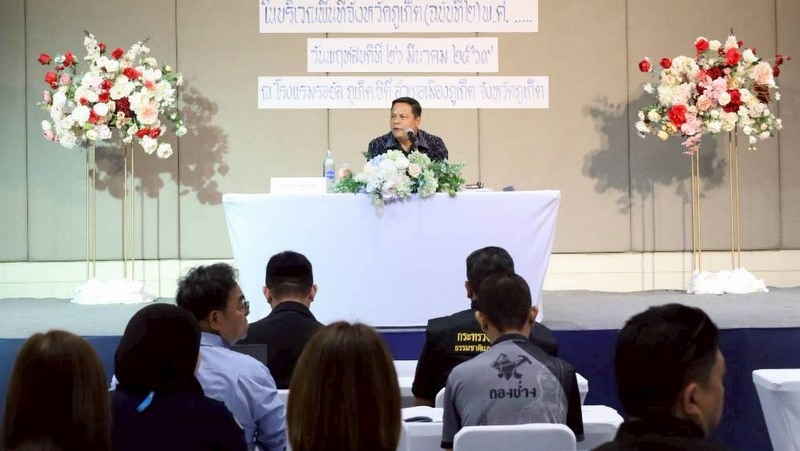
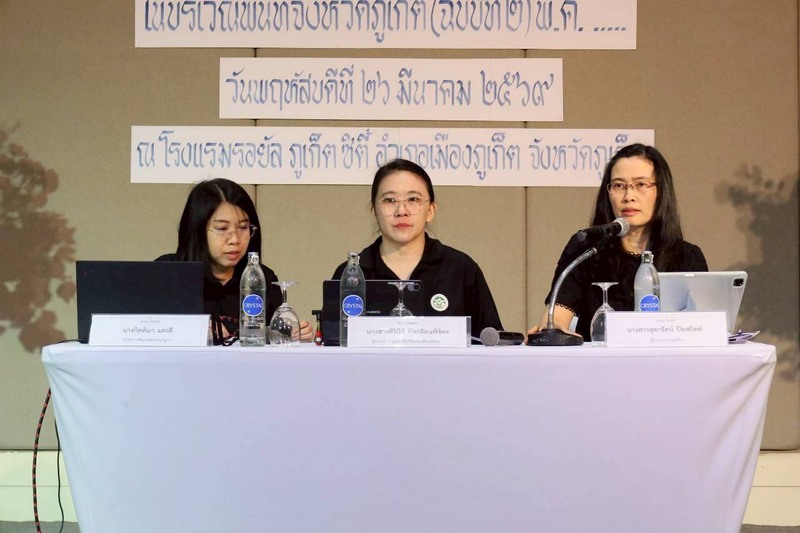
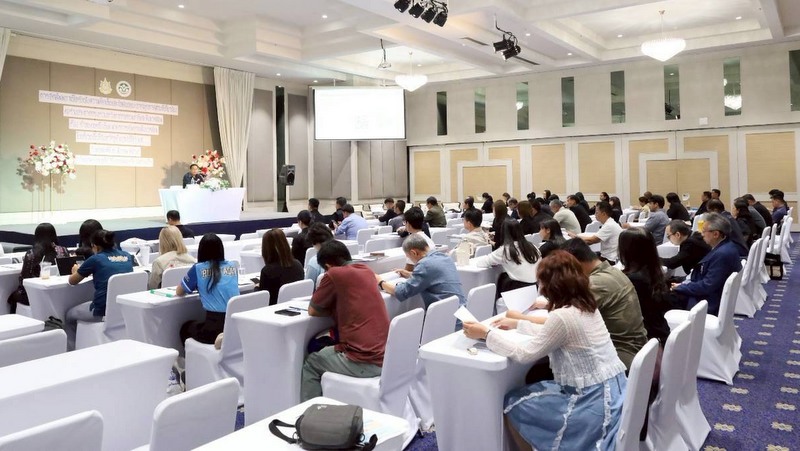
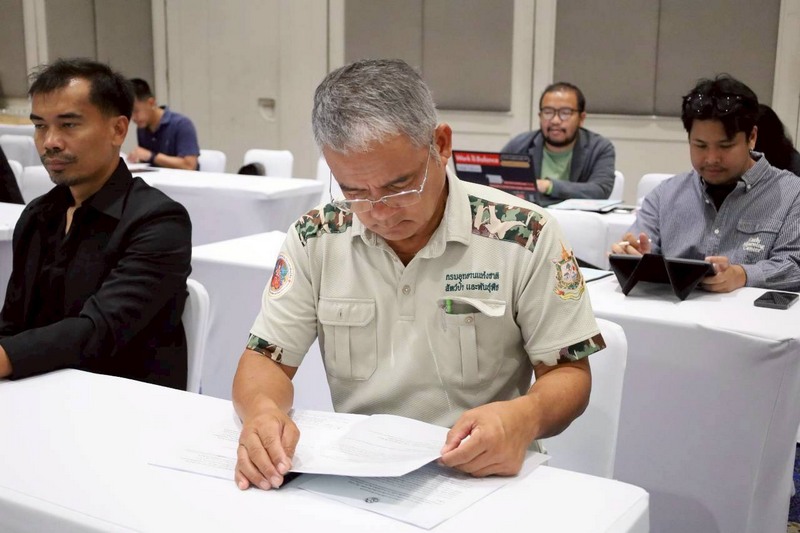
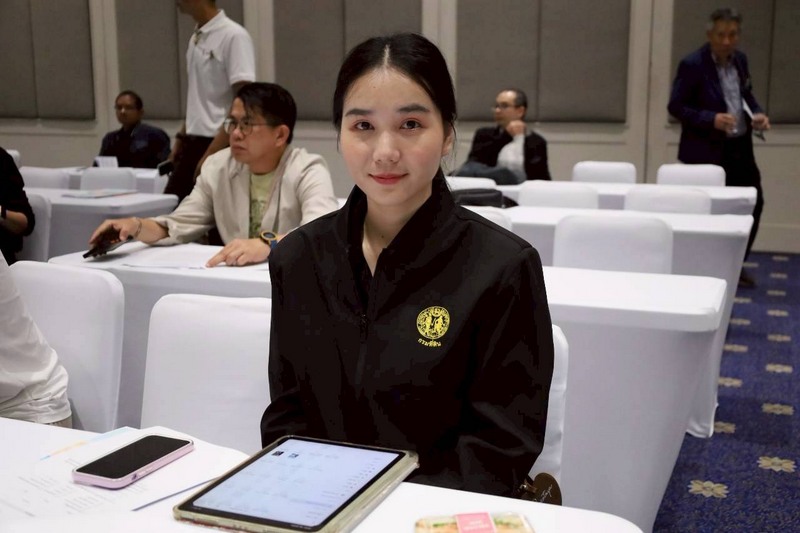
At a public seminar held on Thursday (Mar 26) at Royal Phuket City Hotel, Vice Governor Adul Chuthong said Phuket’s rapid growth, particularly in tourism and land development, has increased pressure on natural resources.
He stressed that revising the measures is critical to improving clarity, reducing disputes in interpretation and ensuring balanced development.
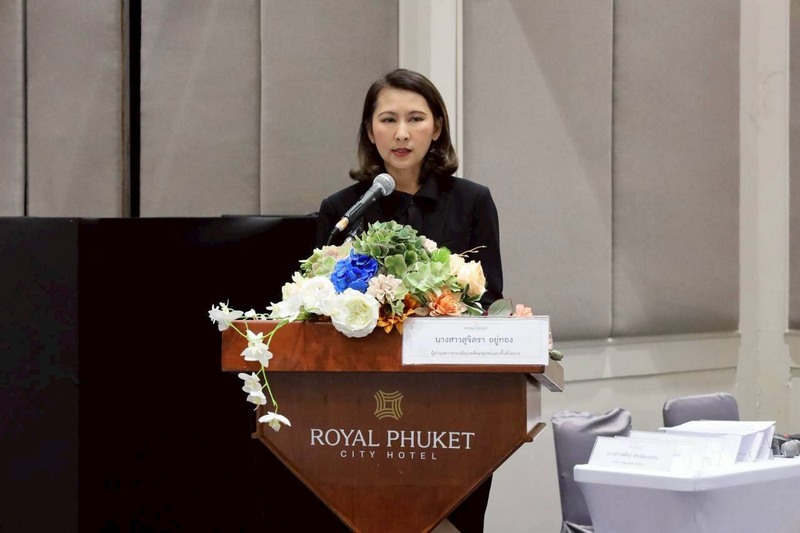
Sujitra Yuthong, representative from ONEP noted that environmental protection measures remain a key legal tool to control and mitigate impacts from development, but acknowledged past enforcement has been hindered by unclear provisions.
Despite efforts to improve clarity, the draft has sparked debate over several sensitive issues, including:
- Expanded use of state land in high-altitude areas above 80 metres
- Removal of restrictions tied to land ownership before 2017
- Potential increase in development in environmentally sensitive zones
She warned that without stricter safeguards, these changes could accelerate development in vulnerable areas.
“At the same time, new requirements for EIAs and IEEs may increase compliance costs and delays, particularly for smaller operators,” she added.
Following the public consultation process, ONEP will compile feedback, revise the draft and proceed through legal procedures before any changes are enacted.
Mr Adul said in the seminar, “The goal is to create a regulatory framework that better reflects Phuket’s current development realities while maintaining long-term environmental sustainability ‒ though key questions over enforcement and oversight remain unresolved.”