


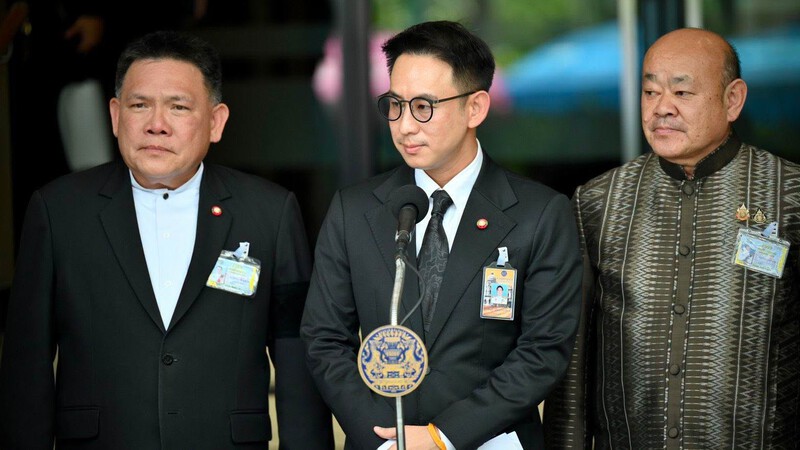
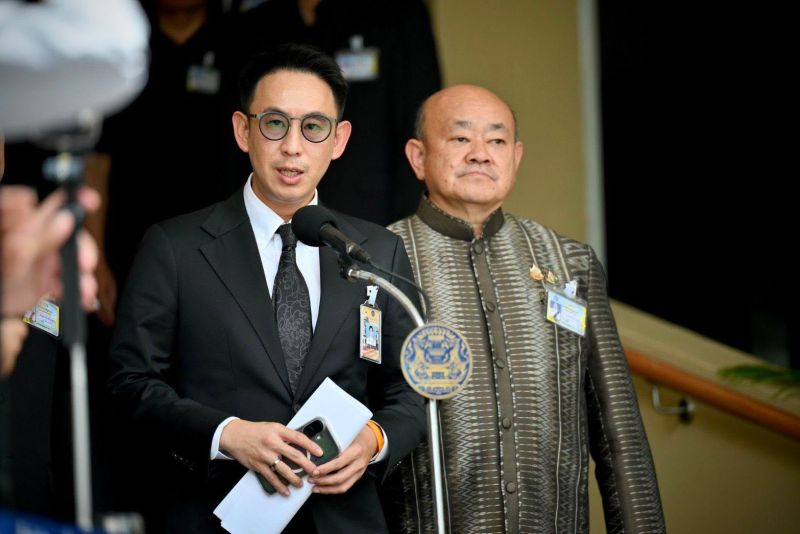

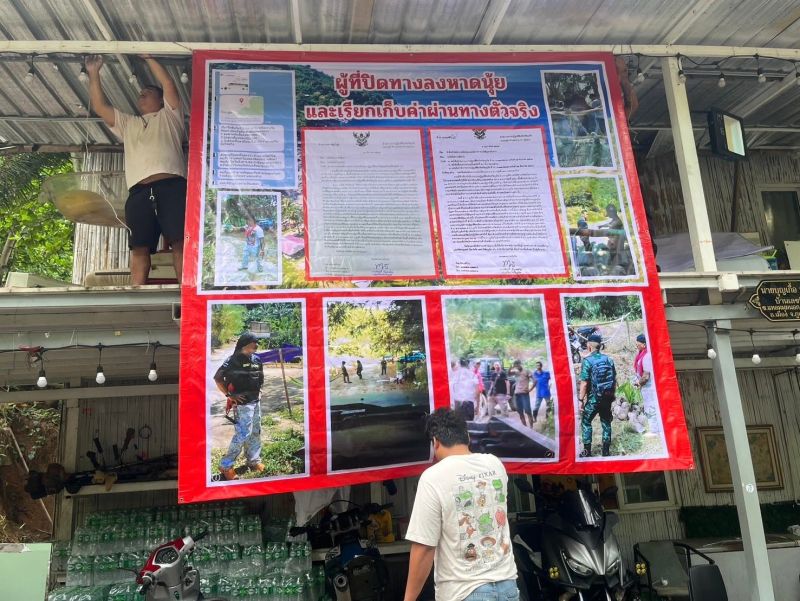
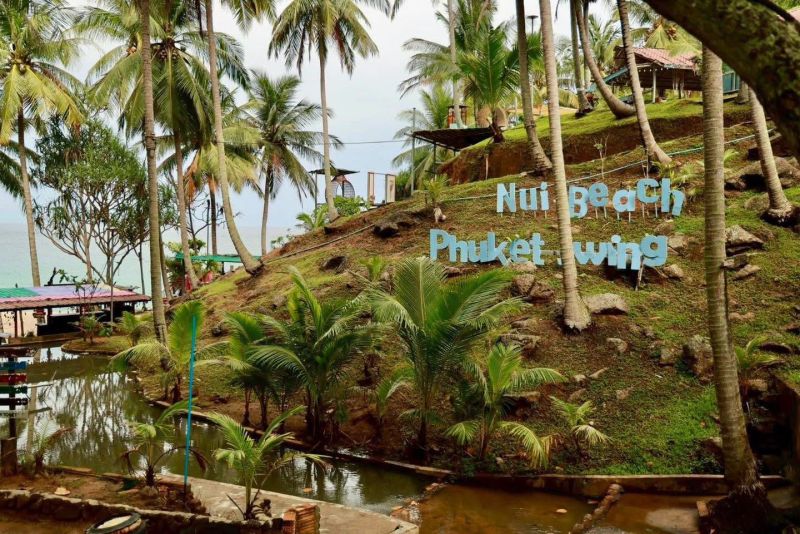
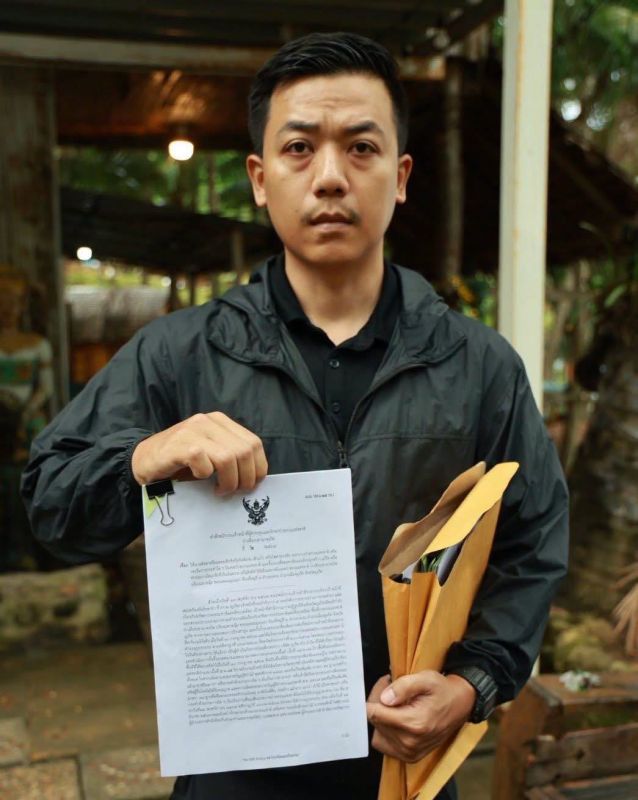
Speaking in Bangkok after inspecting alleged public land encroachment and foreign nominee land ownership on the island, Mr Worasit yesterday (June 23) said authorities had made significant progress in three key target areas: Bang Tao Beach, Freedom Beach and Nui Beach.
He said police had completed investigations into allegations involving influential figures and bribery linked to Bang Tao Beach, while the Anti-Corruption Division would provide further details regarding the involvement of government officials.
Investigations at Freedom Beach and Nui Beach, both located within protected national park land, are continuing.
Mr Worasit said demolition of illegal structures at Nui Beach is scheduled to begin in mid-July, while demolition at Freedom Beach is expected to commence in August after those affected have been given an opportunity to appeal under legal procedures.
He added that investigations into allegations of bribery involving influential figures were "more than 99%" complete.
The announcement follows the Department of Forestry issuing formal demolition orders last week requiring the removal of 39 structures occupying more than 15 rai of protected forest land at Nui Beach.
The order, issued under Section 25 of the National Forest Reserve Act, requires the occupant to demolish the structures and restore the encroached land by July 9, with authorities warning they will carry out the demolition themselves if the deadline is ignored.
Mr Worasit also revealed that the Department of Lands, working with the Department of Business Development under the Ministry of Commerce, has identified 317 high-risk companies holding 480 land plots suspected of being controlled through illegal foreign nominee arrangements.
Under Thai law, foreigners are generally prohibited from owning such land.
"The government is preparing to enforce legal measures requiring the land to be sold within a specified period," he said.
"If the owners fail to comply, the provincial governor will be authorised to take immediate action."
Mr Worasit explained that investigators allege the companies were initially established with legally compliant Thai and foreign shareholding structures before ownership was later altered to place effective control in foreign hands, in violation of Thai law.
The Department of Lands will investigate all 317 companies before referring evidence to the Department of Special Investigation (DSI) for further legal action.
According to preliminary findings, similar nominee schemes have caused economic losses and national security damage estimated at nearly B6 billion.
Authorities believe many of the arrangements were facilitated by networks of law firms and accounting firms specialising in establishing nominee companies, with evidence indicating the same individuals or employees holding shares in multiple companies on behalf of foreign interests.
The DSI is expected to broaden its investigation into those networks.
Mr Worasit said the Interior Ministry also plans to expand similar investigations to other areas popular with foreign investors and residents, including Koh Samui and Koh Pha-ngan in Surat Thani, Krabi, Phang Nga, Pai in Mae Hong Son, Chonburi, Rayong and Bangkok.
He said authorities expected clearer findings within the next two weeks.
"The land ownership structures are complex and highly concealed," he said, citing examples of cross-shareholding arrangements designed to increase effective foreign ownership while appearing to comply with Thai law.
Officials would carefully examine company documents and, where necessary, investigate how some Thai shareholders obtained their citizenship, he added.
Mr Worasit also stressed that foreigners have no right to own land held under Nor Sor 3 land use certificates, except in limited circumstances permitted under Board of Investment (BOI) privileges.
He said the Department of Lands would continue working with the Ministry of Natural Resources and Environment and forestry officials to verify land boundaries and ownership claims.
Anyone found to have encroached on public land or protected forest, or illegally profited from state land by subleasing it to businesses or members of the public, would face prosecution, he said.