





The survey, conducted among 401 business executives and representatives nationwide between Mar 26 and Apr 10, found that 51.2% of respondents believed corruption had become worse compared with three years ago, while only 0.3% said the situation had improved.
The findings were released as Thailand’s private sector intensified calls for stronger anti-corruption measures, warning that graft is becoming a major structural obstacle to economic growth, investor confidence and fair competition.
According to the survey, 58.8% of respondents described corruption as a “major” or “very major” obstacle to doing business, while a further 30.3% viewed it as a moderate obstacle. Overall, 89.1% of businesses said corruption negatively affects business operations to some degree.
The survey also found that 51% of respondents believed dealing with government agencies had become more complicated and burdensome, while only 3% said bureaucratic procedures had improved.
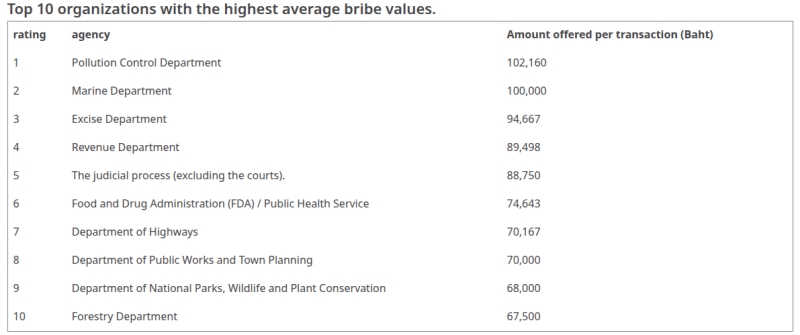
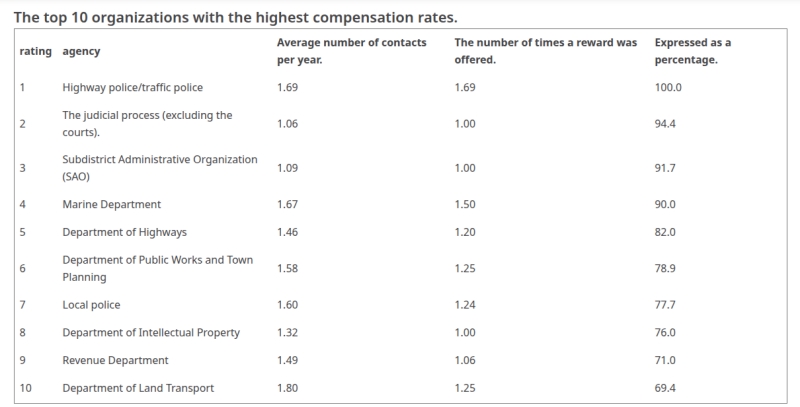
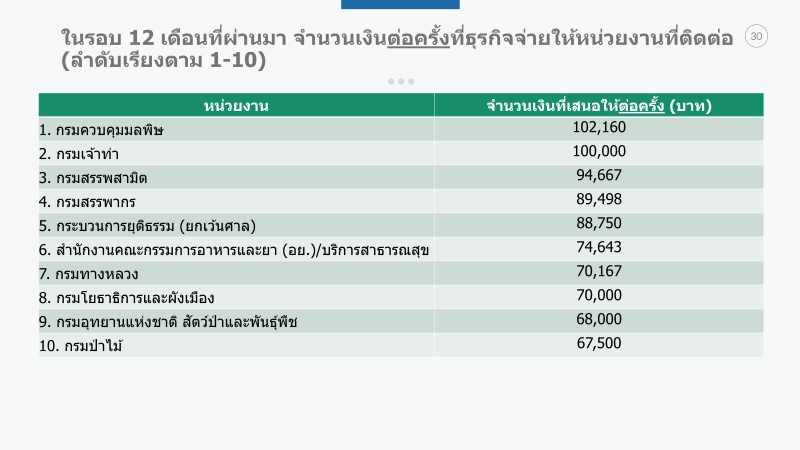
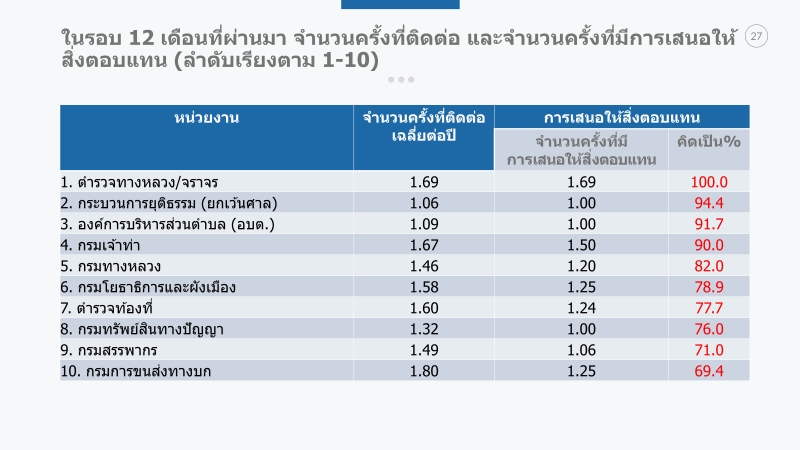
For the first time, the survey included agency-level data regarding alleged bribery risks in interactions with state authorities. Reports cited agencies linked to highways, traffic enforcement and licensing procedures among those perceived to carry the highest risks of informal payments or demands for facilitation fees.
The key takeaways presented from the survey results:
Direct experience from the business sector.
- 60.9% of applicants for permits from government agencies found implicit messages or requests for compensation in their “most recent” permit applications.
- 45.9% of companies confirmed that they had paid money, gifts or benefits to government officials to facilitate services.
- 37.3% confirmed that their industry had to pay extra to secure government contracts, averaging 11-15% of the contract value.
- The most common forms of bribery are cash (46.6%), gifts/entertainment (23.1%), and donations/sponsorship (18.7%).
- In the most recent bidding process, a worrying sign was found: 27.3% reported individuals claiming to “help win” and 27.3% received “hints” suggesting the use of certain intermediaries/advisors.
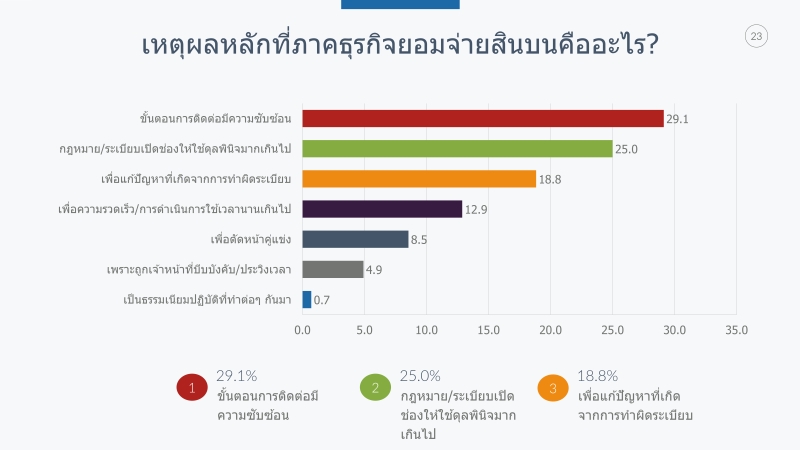
- The main reasons businesses pay bribes are: complex procedures (29.1%), laws that leave too much room for discretion (25.0%), and resolving regulatory violations (18.8%).
- 52.3% of businesses lack confidence in government whistleblowing channels. Furthermore, 43.7% stated that they “didn’t dare to complain” even when they discovered instances of bribery.
The JSCCIB said the findings reflected a growing concern within the private sector that corruption continues to impose hidden costs on businesses and weaken Thailand’s international competitiveness.
The anti-corruption push forms part of the ‘Zero Corruption: JSCCIB and Friends Do Not Tolerate Corruption’ initiative launched earlier this year by leading private-sector organisations, including the Thai Chamber of Commerce, the Federation of Thai Industries and the Thai Bankers’ Association.
The campaign has been working with the National Anti-Corruption Commission (NACC) to promote reforms aimed at improving transparency in both the public and private sectors.
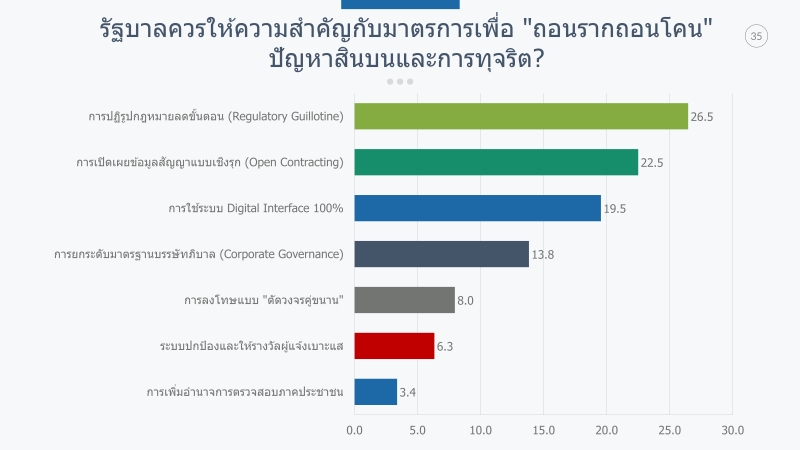
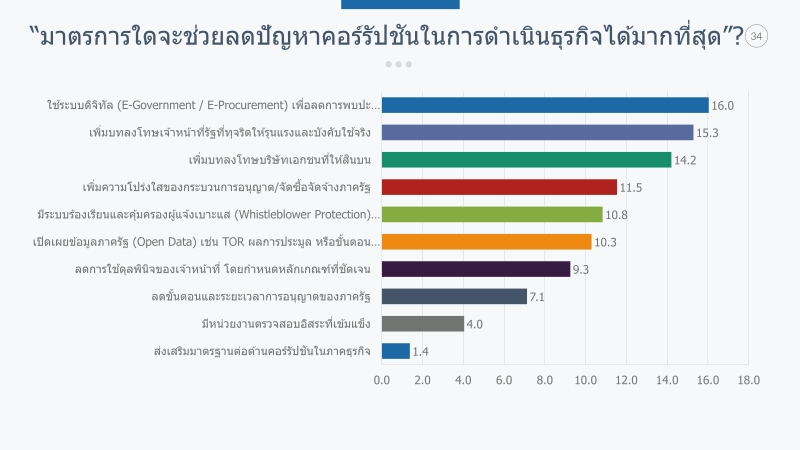
Earlier this month, representatives from the JSCCIB’s Zero Corruption working group met with NACC officials to discuss measures including stricter penalties for corporate corruption offences, adoption of OECD-aligned anti-bribery standards, stronger whistleblower protections and wider implementation of ‘No Gift Policy’ practices across government agencies.
Thailand’s declining standing in international corruption rankings has added to concerns raised by the business sector. Transparency International’s latest Corruption Perceptions Index gave Thailand a score of 33 out of 100, ranking the country 116th globally.
The JSCCIB has warned that unless corruption is addressed more effectively, Thailand risks losing investor confidence and economic opportunities to regional competitors.