


Dana Blouin is an expert in the field of the Internet of Things and connected devices. Follow him on Twitter: @danablouin
DTBlouin@yahoo.com
The Internet of Things covers a lot of technology space, everything from smart cities, smart homes, connected cars, wearable tech and pretty tmuch any device that can be connected to the internet in one way or another. The smart home space was considerably shaken up when Google acquired Nest for a cool US$3 billion, letting them sink their hooks into a significant and established product.
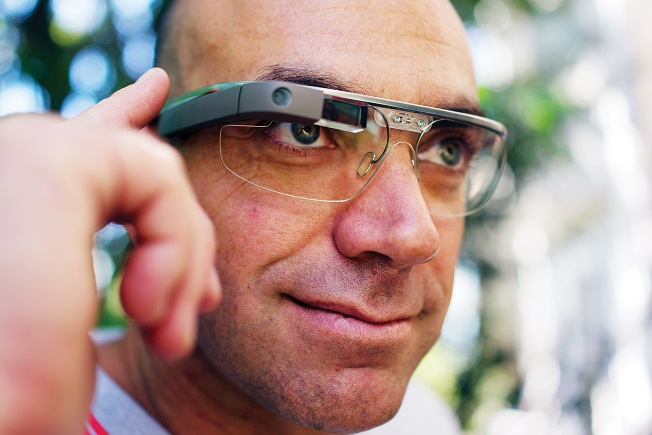
Google was also on the leading edge of the wearable tech and augmented reality space with their Google Glass launch. And though the product has limited functionality in its current form and received a fair amount of negative press, it still seems Google is ready to move forward with a full-blown product launch.
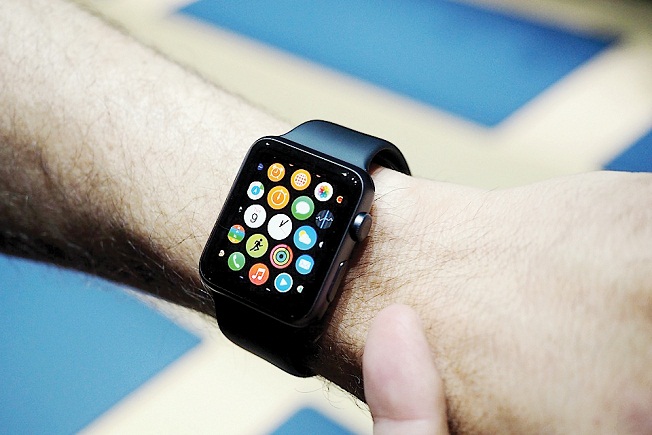
Not to be left out in the cold, Apple also tossed their hat into the wearable tech market with the launch of their much-anticipated Apple Watch. At first glance, it seems to outdo all other entries in the smart watch space combining functionality, connectivity and streamlined communication features. Apple also rolled out its HealthKit, which is intended to help app developers create apps for health and fitness devices and tie that data back into the Apple iOS.
Finally, we cannot have connected devices without connections and both Google and Facebook launched rather ambitious projects intended to expand internet connectivity to underserved parts of the planet.
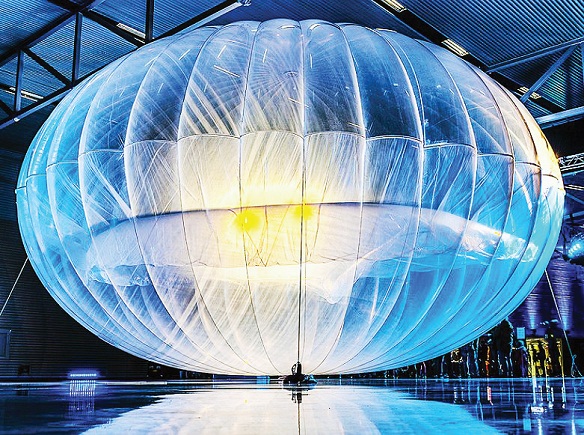
Google has its Project Loon that aims to use balloons in the stratosphere equipped with antennas to deliver internet service to remote locations. Facebook, for their part, aims to use drones to deliver internet service in a similar, though not identical, manner.
There are a lot of connected devices in a many different spaces and markets. I look forward to exploring them here in this column.
See you next month!
This column originally appeared in the January 2 edition of The Phuket News.