


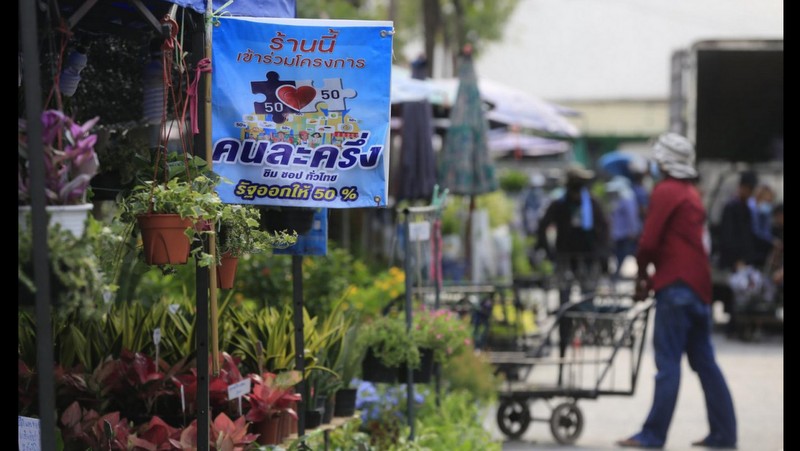
Lavaron Sangsnit, permanent secretary for finance, said the forthcoming round would cover more beneficiaries than the previous phase, which covered about 20 million people. The precise number, however, will depend on the budget allocation to be determined by the Budget Bureau, reports the Bangkok Post.
He said the government intends to broaden access in light of the widespread hardship affecting the population, though participation is unlikely to extend to as many as 50mn people.
Details regarding the value of the subsidy – previously capped at B2,400 per person – and whether eligibility criteria will remain unchanged are still under consideration, he said.
“The proposal is scheduled to be submitted to the Cabinet on April 21, with spending expected to begin the following month,’” he said.
A report by the Comptroller General’s Department dated Apr 7 says about B84 billion in uncommitted funds remain available.
The sum comprises budget allocations from projects that have yet to meet disbursement conditions, as well as carry-over funds from previous fiscal years.
The government has indicated such resources may be redirected to support economic relief measures.
An emergency decree on budget transfers will be issued, as it allows for more immediate implementation following Cabinet approval, subject to subsequent parliamentary endorsement.
Officials cautioned, however, that the available balance may fluctuate as projects reach their financial cut-off and disbursement stages. The expanded scheme is being introduced against the backdrop of rising living costs.
Russian imports
Meanwhile, Agriculture and Cooperatives Minister Suriya Juangroongruangkit has unveiled plans to import up to two million tonnes of chemical fertiliser from Russia to address a looming supply shortage affecting Thailand’s farming sector.
The announcement came after a meeting between high-level officials within the ministry on Apr 8. The discussion focused on resolving the fertiliser shortage, exacerbated by geopolitical tensions in the Middle East, prompting stockpiling and supply disruptions.
Mr Suriya said securing imports from Russia would help stabilise soaring fertiliser prices and ensure sufficient supply ahead of the next planting season, just a few months away.
He said he will visit Russia during the Songkran holiday next week to negotiate the deal with suppliers.
The minister also reaffirmed the policy to suspend farmers’ debts for three years, which was announced during his party’s election campaign, though details of the measure will be finalised after consultations with state agencies, including the Finance Ministry.
Farmers are currently grappling with multiple challenges, including geopolitical conflicts, evolving global trade regulations, climate change and economic instability, he said.
In response, Mr Suriya has established a war room to oversee urgent measures aimed at easing farmers’ hardships.
These include resolving fertiliser shortages, promoting the use of organic fertilisers in a 70:30 ratio, accelerating imports of fertilisers and pesticides, improving agricultural product distribution and market access.