


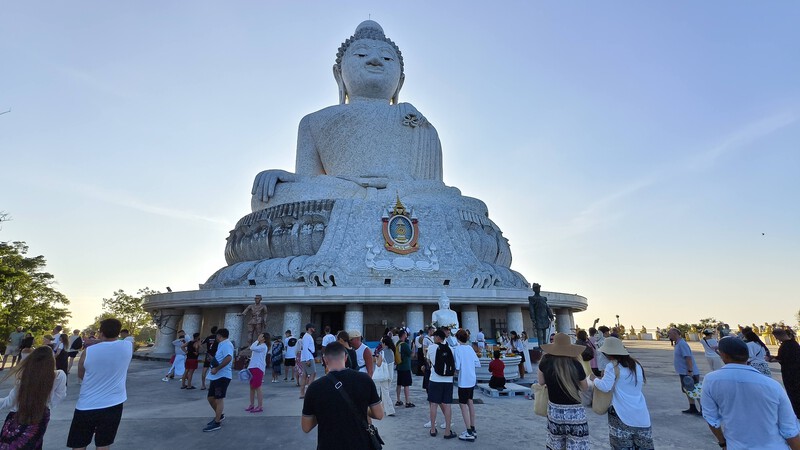
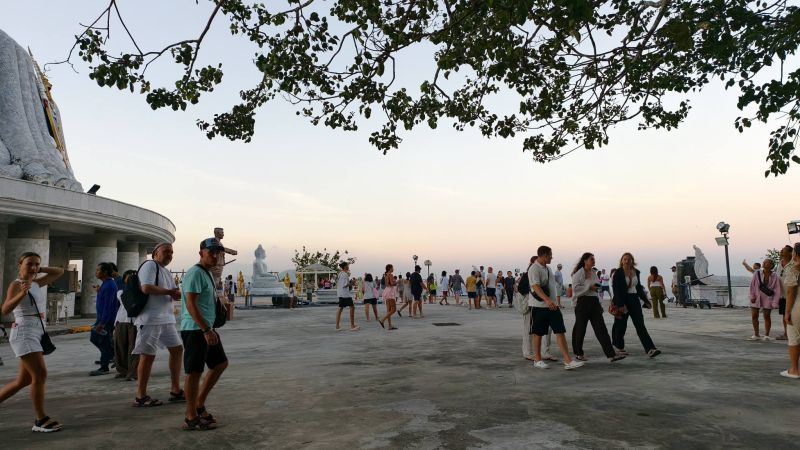

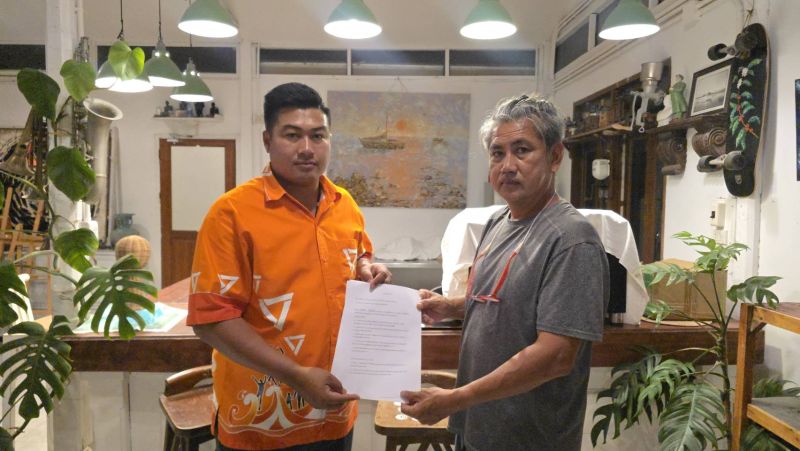
The landmark site on the hills between Kata and Chalong, reopened under the management of Wat Kittisangharam (Wat Kata) and will operate daily from 9am to 6pm.
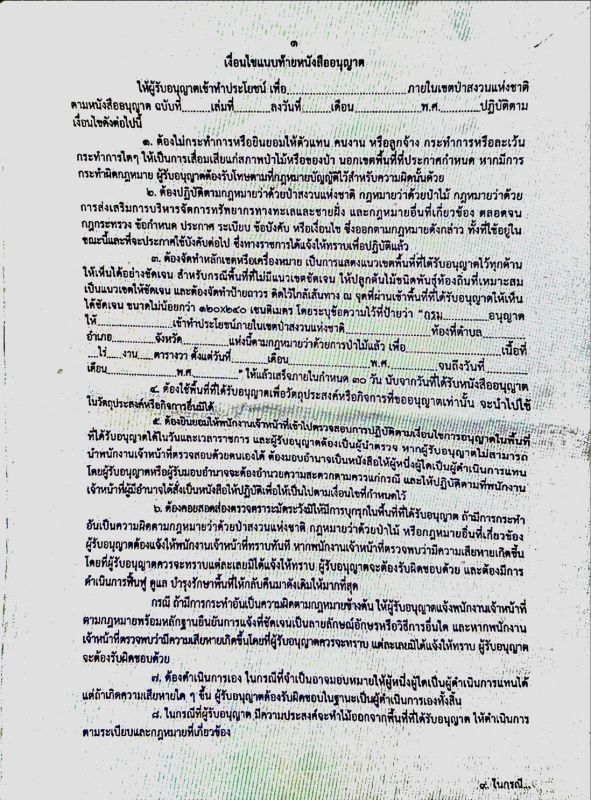
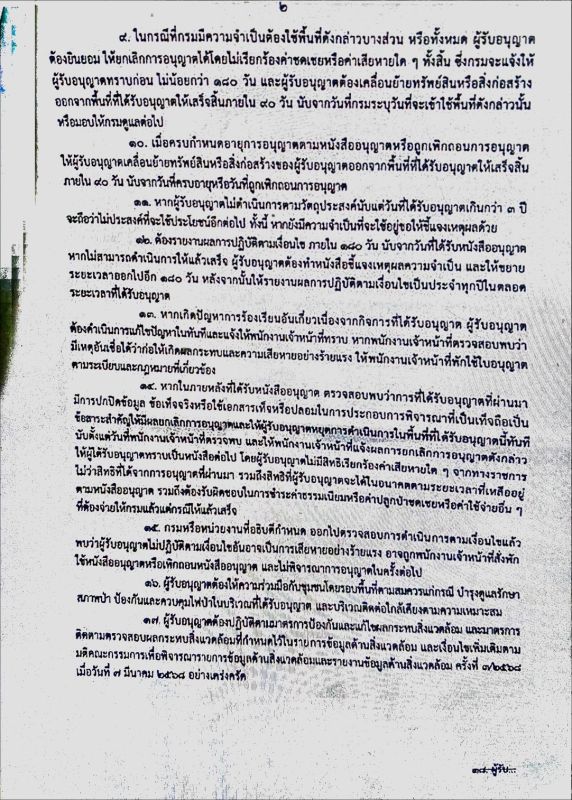
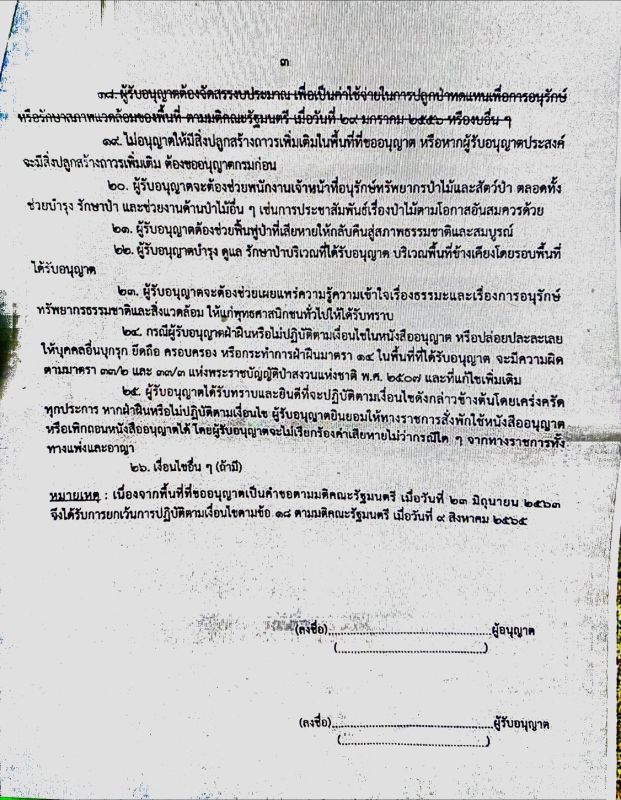
However, the reopening is contingent on compliance with 25 conditions set by the Department of Forestry governing the use of the forest reserve land where the site is located.
Temple officials confirmed that the reopened site will officially be known as “Wat Kittisangharam (Big Buddha)” and will be managed directly by the temple committee rather than the Phra Phuttha Ming Mongkol Sattha 45 Foundation, which previously oversaw the project.
Five monks from Wat Kata will be stationed at the site under the supervision of Abbot Phra Kru Wisutthikittiyaphon.
The area approved for use covers about 15 rai of land authorised by the Forestry Department, with other areas of the hill still subject to investigation.
The temple committee said the reopening is intended to allow worshippers and tourists to return to one of Phuket’s most prominent religious and tourism landmarks while restoring public faith in the site.
A merit-making ceremony involving 77 monks was held at the hilltop complex on Monday (Mar 2) to dedicate merit to the victims of the landslide that struck the hillside below the Big Buddha site in August 2024.
The ceremony was presided over by Phuket Provincial Chief Monk Phra Udom Wachiramongkol and attended by local Buddhist devotees from Karon and Chalong.
The Aug 27, 2024 landslide killed 13 people, injured many others and destroyed homes in Soi Patak 2 below the hill after heavy rain caused soil and debris to cascade down the slope.
Following the disaster, authorities ordered the Big Buddha site closed while safety issues and legal matters were investigated.
According to Satchapol Thongsom, a member of the Wat Kata committee, the Forestry Department later authorised the reopening of the approved 15-rai area from Dec 18, 2025, provided the temple complies strictly with 25 specifically explained operational conditions.
These include preventing any damage to forest resources outside the permitted area, clearly marking site boundaries, allowing regular inspections by officials and ensuring the land is used only for approved religious purposes.
The permit also requires the operator to maintain forest areas, prevent encroachment, support conservation work and comply with environmental mitigation measures specified by authorities.
Construction of additional permanent structures is prohibited unless specifically authorised.
If authorities determine the conditions are breached or environmental damage occurs, the permit can be suspended or revoked.
Temple officials also stressed that the reopened site will not be commercialised.
Flowers, incense and candles will be provided for visitors, with any donations used only to cover operating costs and site maintenance, the committee said.
Entry will initially be free for the first month while the temple evaluates management expenses and visitor numbers.
(See full list of 25 conditions below)
LAWSUIT
The reopening comes despite ongoing legal proceedings linked to the landslide.
A class-action lawsuit filed by residents affected by the disaster remains before the Phuket Provincial Court, with plaintiffs seeking compensation from the foundation previously responsible for the site.
Phuket MP Chalermpong Saengdee has also raised concerns about safety, legal issues and transparency surrounding the reopening.
Mr Chalermpong said the community continues to worry about landslide risks and the stability of the hillside, noting that the case relating to the disaster remains unresolved.
“My concerns are particularly about the structure, unresolved legal cases and safety measures, especially regarding landslides,” he said.
“It is still unclear whether all permits from the relevant agencies, including the Forestry Department and the Provincial Office of Buddhism, were issued correctly and completely.”
He added that if the temple committee is now responsible for managing the site, the handling of donations must be transparent and clearly explained to the public.
“I don’t want it to become a commercialised Buddhist site or a way to profit from the Big Buddha, which is a landmark of Phuket,” he said.
OBJECTIONS
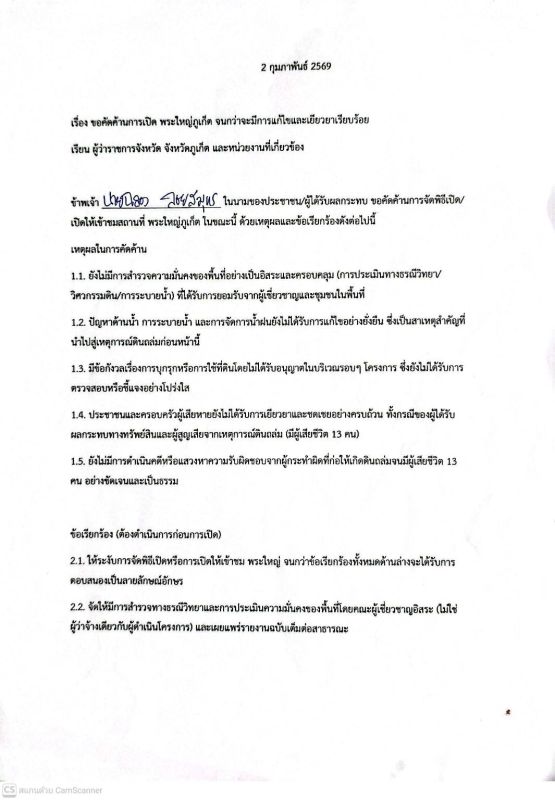
Meanwhile, representatives of residents affected by the landslide have formally objected to reopening the site until safety concerns and compensation issues are fully resolved.
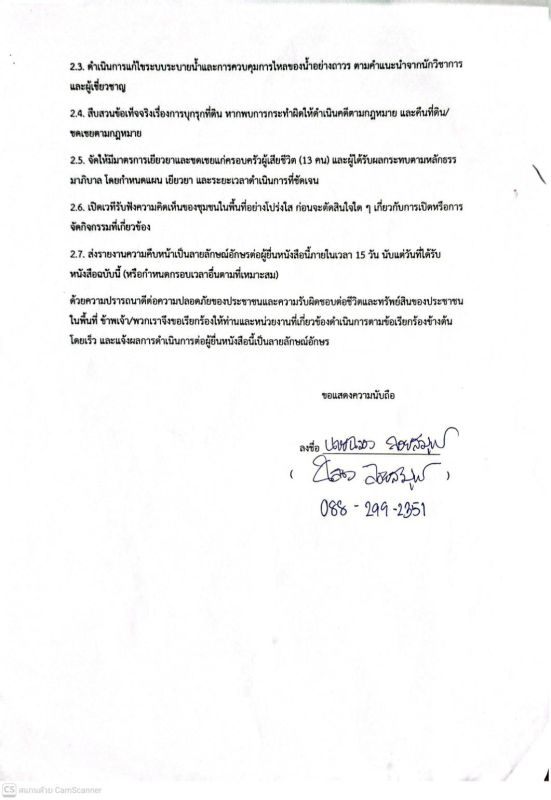
In a letter dated Feb 2 addressed to the Phuket Governor and relevant agencies, community representative Pathomporn Koprasiripong called for the reopening to be suspended until several conditions are met.
These include an independent geological and engineering assessment of the hillside, improvements to drainage systems believed to have contributed to the landslide, and transparent investigations into possible land encroachment.
The letter also called for compensation and remediation for victims’ families and a public hearing with affected communities before reopening the site.
SAFETY
Phuket Bar Association President Rungnapa Phutkaew also raised concerns about whether sufficient engineering assessments and landslide prevention measures have been implemented.
“If a similar incident occurs again, it would become a public hazard. The question is who would be responsible,” she said.
Ms Rungnapa noted that the cause of the 2024 landslide remains a key issue in the ongoing court case, with arguments continuing over whether heavy rainfall alone was responsible or whether construction activity on the hill contributed to the scale of the disaster.
She added that if the site is to reopen under new management, the legal authority of the operator and permit documents should be publicly disclosed.
“If it cannot be proven that the area is truly safe, it should not be opened,” she said.
“But if there is full assurance of safety and clarity about responsibility in the future, that information must be made public.”
Despite the concerns, temple officials say reopening the Big Buddha viewpoint is intended to restore access to one of Phuket’s most recognisable landmarks while ensuring operations comply fully with government regulations.
25 Forestry Department conditions for reopening the Big Buddha site
- No damage to surrounding forest
The permit holder must not carry out or allow any actions that damage the forest or forest resources outside the authorised area. Any violations are punishable under applicable law.
- Compliance with all relevant laws
Operations must comply with the National Forest Reserve Act, Forestry Act, Marine and Coastal Resource Management laws, and all related regulations and future government directives.
- Clear boundary markers required
The permitted area must be clearly marked on all sides. Boundary signs must be installed within 30 days and permanent signage displayed at the entrance detailing the official permit.
- Use restricted to approved purpose
The land may only be used for the activity for which permission was granted.
- Government inspection rights
Officials must be allowed to inspect the site during working hours, with the permit holder or authorised representative assisting inspections.
- Prevent encroachment and report violations
The permit holder must monitor the area to prevent illegal encroachment and report violations immediately. Failure to report damage may result in liability and restoration obligations.
- Responsibility for delegated work
The permit holder must oversee all operations and remains responsible for any damage even if work is delegated to others.
- Timber harvesting regulations
Any harvesting of timber within the permitted area must follow applicable forestry regulations.
- Compliance with all regulations
The permit holder must comply with all additional rules, laws and administrative requirements applicable to the site.
- Government right to reclaim the land
If authorities need the land, the permit may be cancelled with at least 180 days’ notice. All structures must be removed within 90 days without compensation.
- Removal of structures after permit expiry
Any buildings or property must be removed within 90 days after permit expiration or revocation.
- Operations must begin within one year
If the permitted activity does not begin within one year, the permit may be considered abandoned unless justification is provided.
- Compliance reporting required
A report on compliance must be submitted within 180 days of receiving the permit and annually thereafter.
- Complaints must be resolved immediately
Any complaints related to the site must be addressed promptly and reported to authorities.
- Permit can be suspended for violations
Authorities may suspend or revoke the permit if inspections find non-compliance or serious damage.
- Cooperation with local communities
The permit holder must work with surrounding communities and assist in forest protection and fire prevention.
- Environmental impact mitigation required
Operations must follow environmental protection and monitoring measures outlined in the official environmental review.
- Budget for forest restoration
Funds must be allocated for reforestation or conservation of damaged forest areas as required by government resolutions.
- No additional permanent structures
New permanent structures are not allowed unless specifically approved.
- Assist forestry officers
The permit holder must assist forestry and wildlife officers with conservation work and related activities.
- Restore damaged forest areas
Any environmental damage must be restored to its natural condition as much as possible.
- Protect surrounding forest areas
The permit holder must maintain and protect forest areas within and around the permitted site.
- Promote environmental awareness
The operator must help educate the public and nearby communities about environmental conservation.
- Legal liability for violations
Failure to comply with permit conditions or allowing encroachment may result in prosecution under the National Forest Reserve Act.
- Permit revocation without compensation
If conditions are violated, the government may suspend or revoke the permit, and the permit holder cannot claim damages.
Note: The permit includes a clause allowing additional conditions if necessary, and the site’s land status under a Cabinet resolution provides an exemption from certain national forest reserve conditions.