


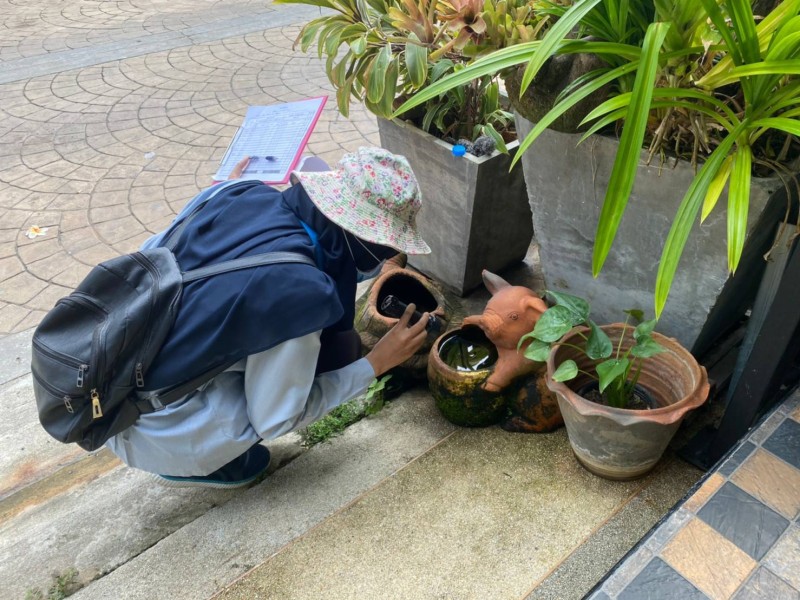
Dr Thanit explained to The Phuket News today that Phuket’s dengue situation is not severe, but urged that is no cause for people to let their guard down in protecting themselves from the Aedes species of mosquito, which carries the disease.
“This disease returns every rainy season. Right now have several people in Phuket have become ill with dengue fever. I can’t remember the number, but there are not many patients at this time. No one has severe symptoms and there have been no [recent] deaths in Phuket from dengue,” he said.
“Compared to the same time last year, the number of dengue patients this year is lower and the situation is better than last year,” he added.
The PPHO last year reported that from Jan 1, 2019 to May 2, 2019 Phuket recorded 144 cases of dengue fever and no deaths – a morbidity rate of 35.76 per 100,000 based on the official registered population of 402,707 at the time.
In 2018, Phuket had the highest infection rate in the country. Russian man 32-year-old Gerasim Grigoriev died at Vachira Phuket Hospital on April 11 that year after contracting the disease.
The seriousness of dengue infections prompted Dr Thanit today to urge people to keep their guard up against the disease.
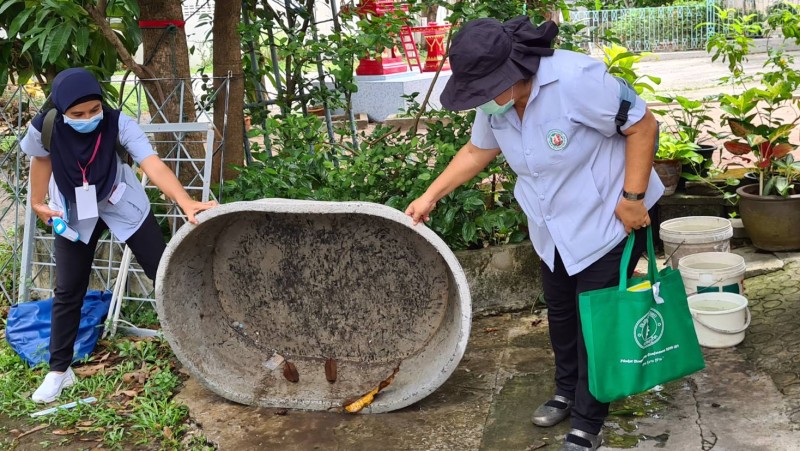
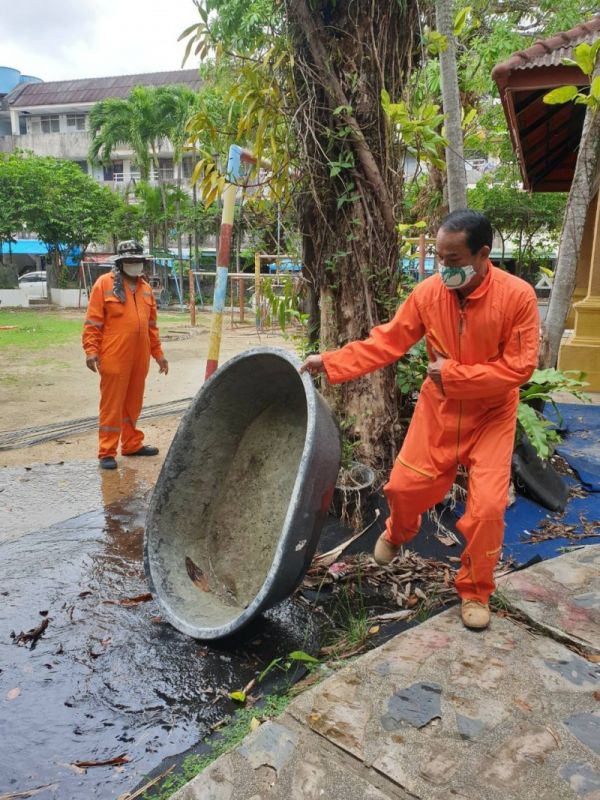
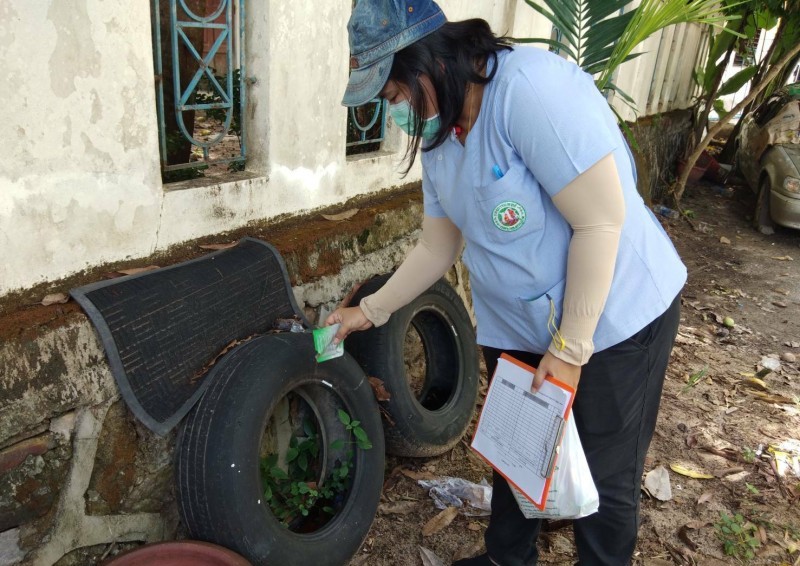
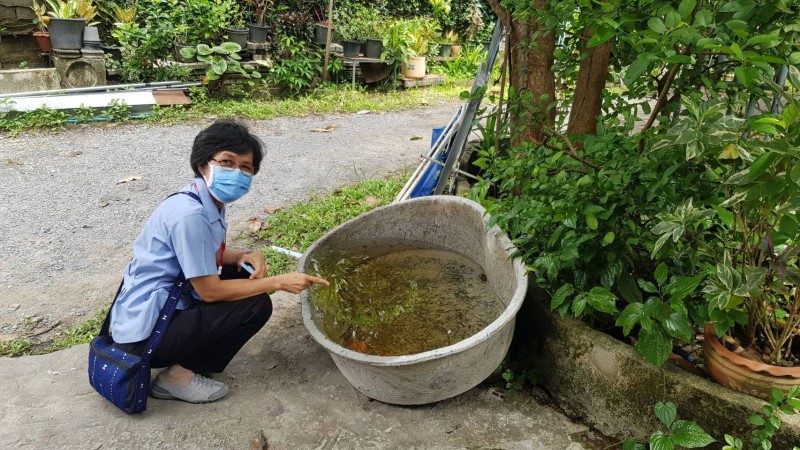
“We cannot be careless since there will be many more rainy days from now on. I ask all people to get rid of any standing water in their areas where mosquitoes breed and for people to be careful not to dengue fever,” he said
The PPHO yesterday issued a national warning from the Department of Disease Control (DDC) that reported from Jan 1 to May 18 this year there had already been 13,006 confirmed infections and 10 deaths nationwide from the disease.
The Northeast (Isan) had more confirmed infections than anywhere else in the country, the report noted. Central Thailand ranked second, followed by the South and the North.
“Although the number of cases so far this year is less than for the same period last year, it is expected that the number of dengue patients will increase as Thailand has now entered the rainy season,” the warning noted.
People were urged to clear all standing water from around their homes, keep their houses clean, including by simple tasks such as keeping clothes folded and stored properly, and by keeping unused flower pots and buckets turned upside down.
In addition, mosquito bites can be prevented by wearing long-sleeved shirts or trousers and using different types of mosquito repellents, the warning added.
The same measures would also help prevent the spread of Chikungunya and the Zika virus, the warning noted.
Any people who believed they were suffering from dengue, Chikungunya or Zika were urged to seek medical treatment immediately.
Those infected will develop a fever with a temperature of up to 40ºC within five to eight days after a mosquito bite.
The symptoms for all three diseases include high fever; headache; muscle aches; redness of the face; rashes; bruising or lesions on the body, arms, legs; poor appetite; and even a runny nose.
People seeking more information about the diseases were urged to call the DDC hotline 1422.