


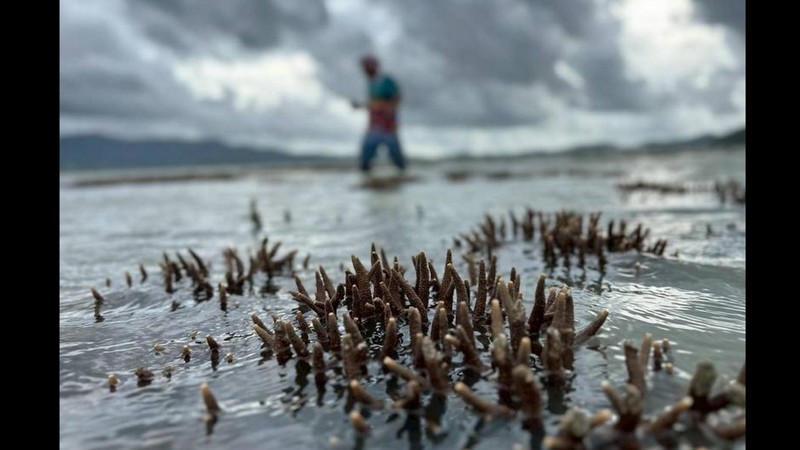
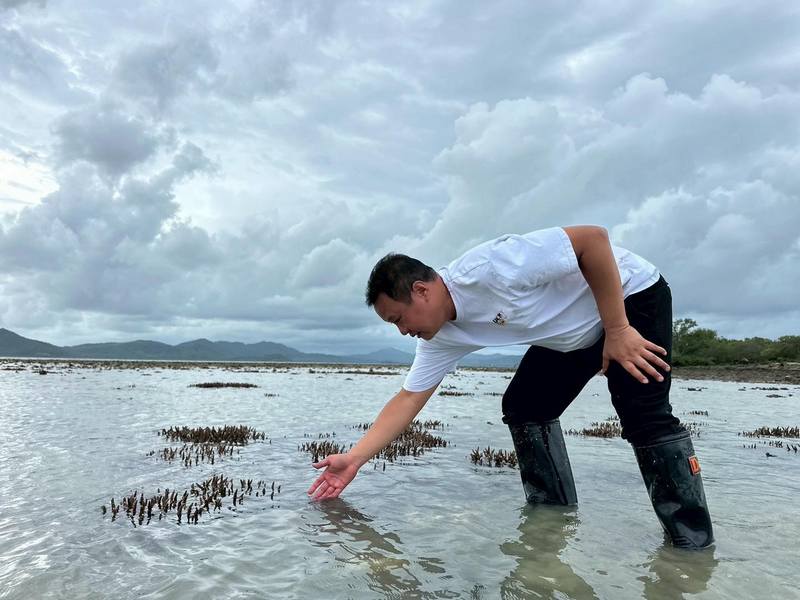
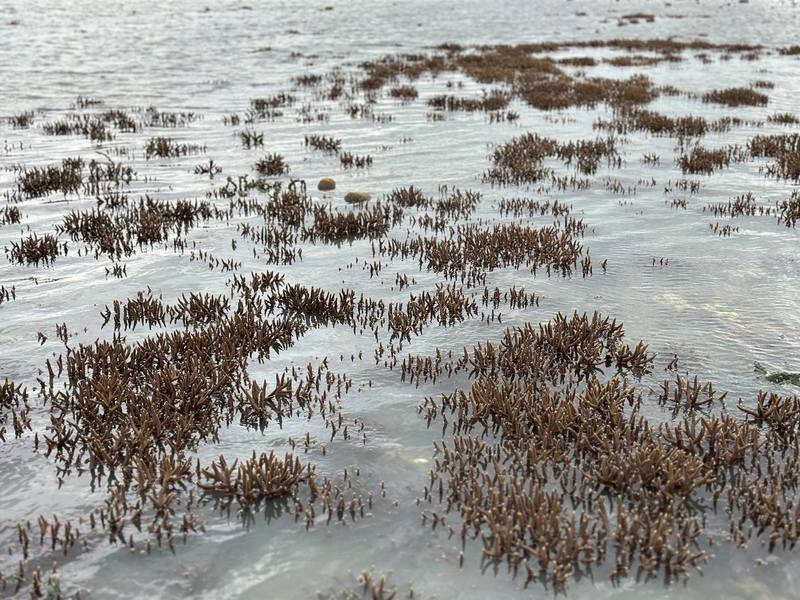
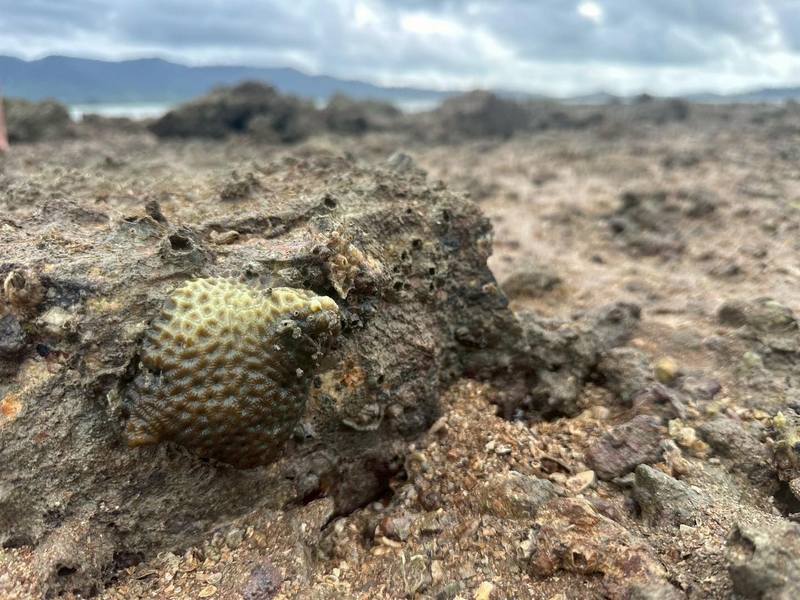
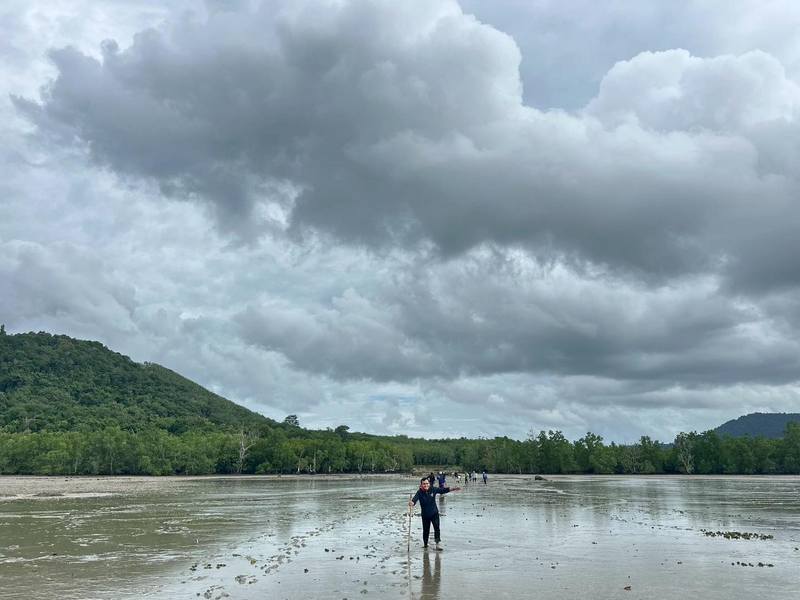
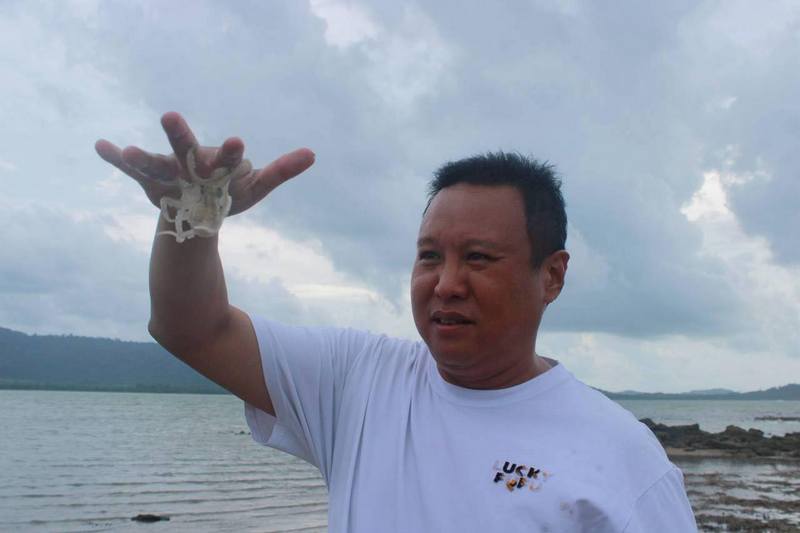
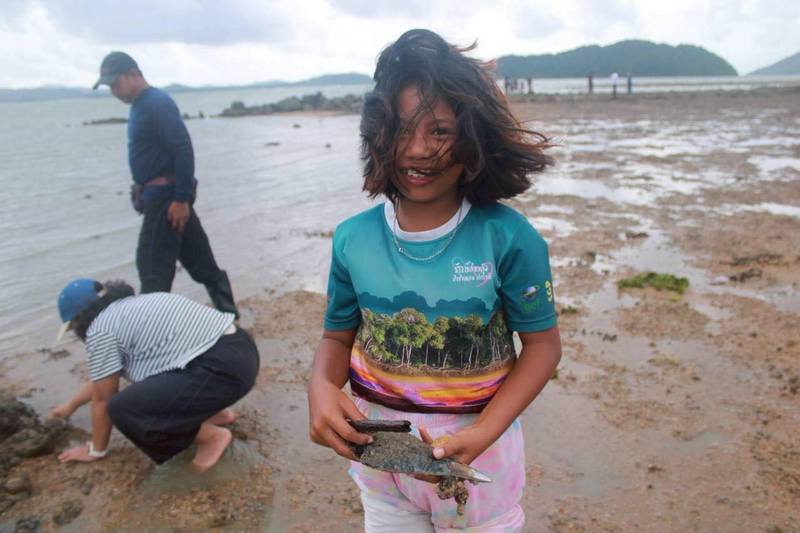
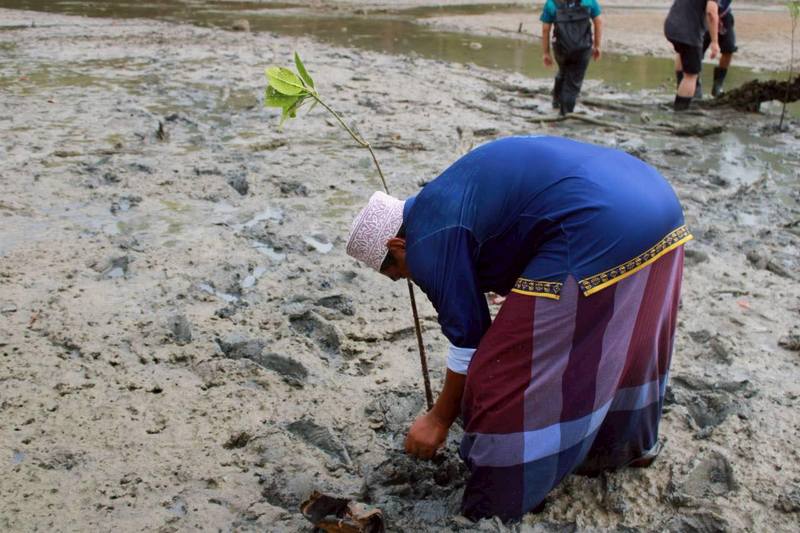
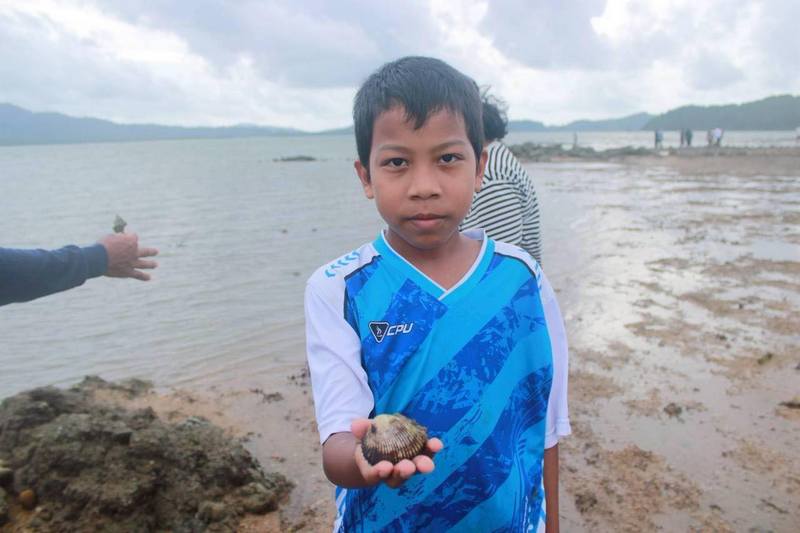
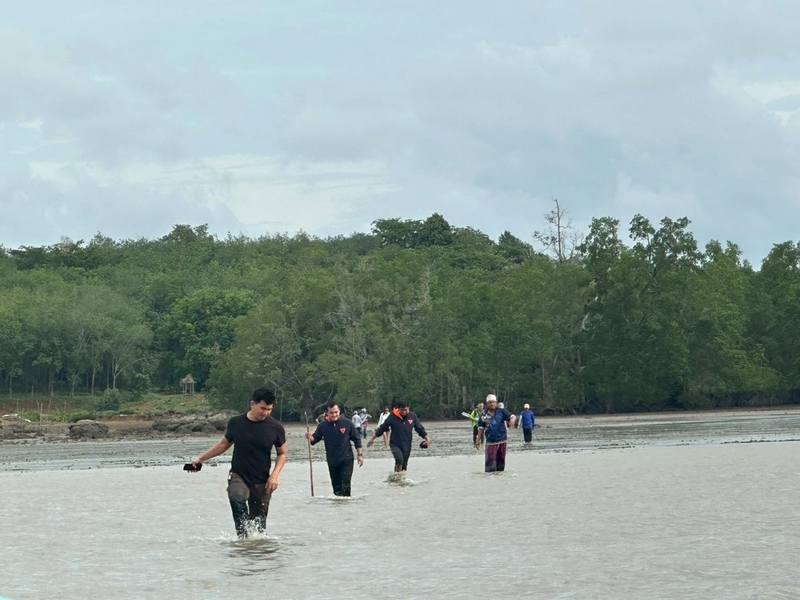
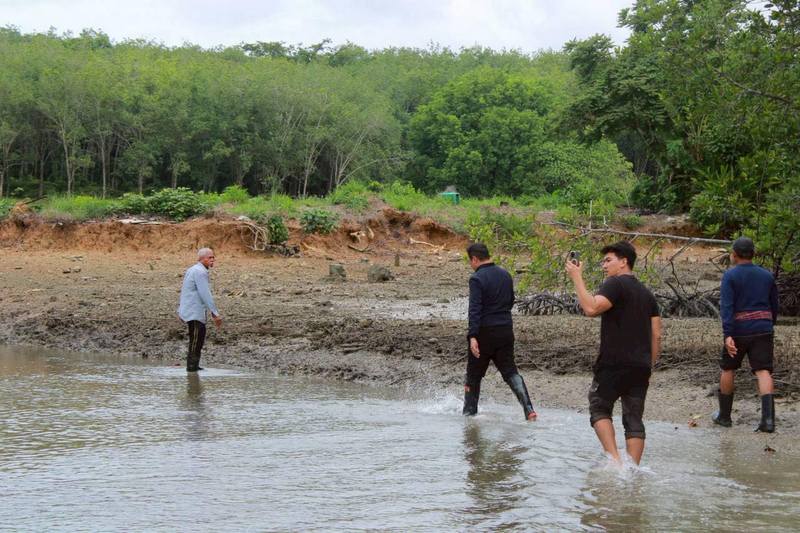
Mr Somchart said he and local fishermen recently conducted a boat survey in the ‘Ta Chaeng’ and ‘Rong Nam Thip’ areas of Ao Kung Bay, where they documented what he described as a rich marine ecosystem supporting red coral, gorgonians and feeding grounds previously visited by dugongs.
The MP warned that dredging and large-scale construction linked to the proposed marina project could devastate marine habitats, destroy fish nurseries and permanently prevent dugongs from returning to the area.
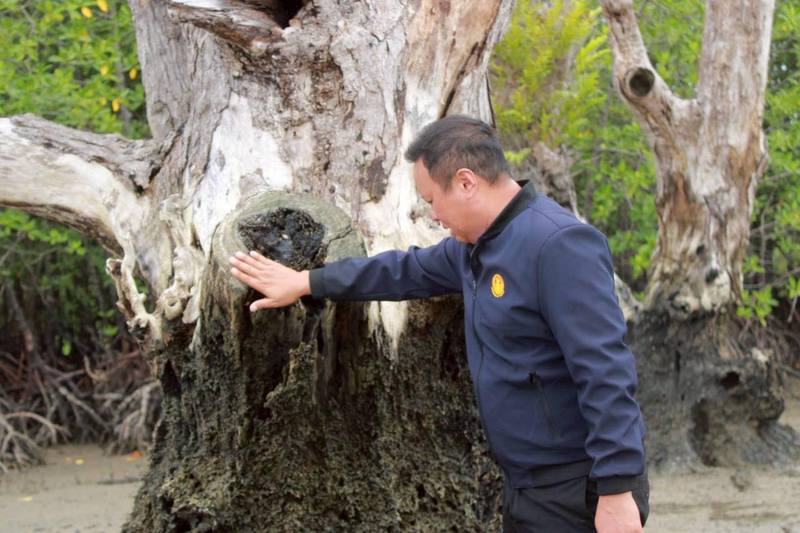
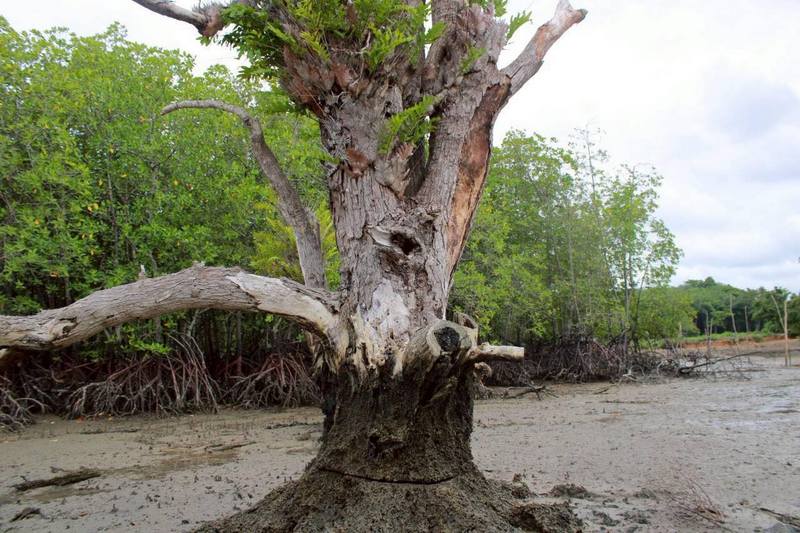
He also claimed villagers had reported attempts by investors to encroach on surrounding mangrove forests by secretly poisoning trees and cutting down large mangroves believed to be more than 150 years old.
“The most disheartening aspect of this field survey is what is happening on land,” Mr Somchart said in a statement posted online.
“Secretly poisoning and cutting down 150-year-old trees is an inhumane act for personal gain in the project,” he added.
Mr Somchart further questioned the transparency of the project’s Environmental Impact Assessment (EIA), saying local residents insisted they had never been properly included in any public hearing process.
He noted that the National Human Rights Commission (NHRC) had previously opposed the project and called for a full investigation into whether legal procedures had been properly followed.
“As the Member of Parliament for Phuket Constituency 1, I will immediately submit all evidence, including photographs of the coral reefs, information on dugongs, and evidence of mangrove destruction, to the parliamentary committee and relevant agencies for investigation,” he said.
The latest claims follow growing community opposition to the marina proposal.
As previously reported, residents met with Mr Somchart earlier this month to voice concerns that the project was advancing without meaningful public consultation and could severely impact fishing grounds relied upon by communities in Phuket and neighbouring provinces including Krabi and Satun.
At the time, Mr Somchart pledged to investigate both the EIA approval process and the project’s potential environmental impact on coastal and marine resources.
“Development must go hand in hand with sustainability and the consent of the people,” he said previously.