


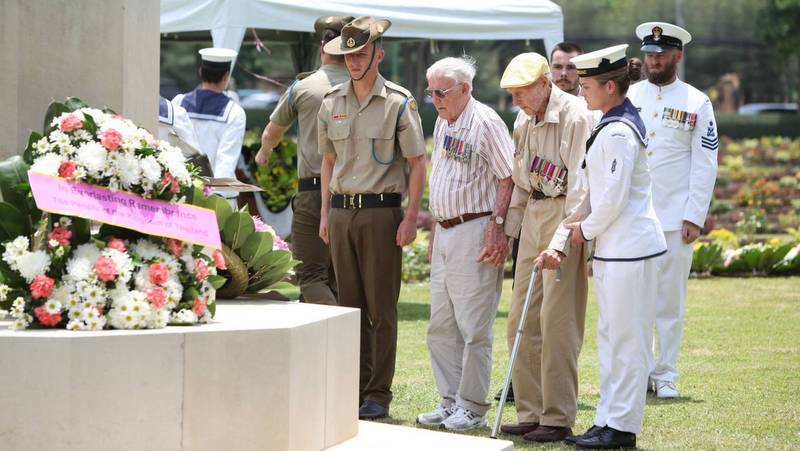
“Australia has been well-prepared in its response to Coronavirus and has focused on measures to slow its spread, ensuring the health and wellbeing of Australians as the highest priority. The decision to cancel these services was made in close consultation with health authorities and with host nations, taking into account their response to the Coronavirus pandemic,” said a notice issued by the Australian Department for Veterans’ Affairs earlier today (Mar 18). (See notice here.)
Minister for Veterans’ Affairs Darren Chester said Anzac Day was one of the most important days on the national calendar, but expert advice within Australia and internationally that large public gatherings present an unacceptable risk to the community could not be ignored, the notice explained.
“This decision has not been made lightly and has taken into consideration a number of key factors, primarily concerns about the welfare of Australians and other visitors travelling to Anzac Day services as well as views of host nations regarding visitors and large gatherings, the impact on health systems of overseas nations, and the welfare of staff and contractors travelling overseas,” Mr Chester said.
“Domestically, many of the services around the country have been cancelled and the Australian War Memorial is planning to broadcast the national Dawn Service to support individual reflection on this important day, however, this service will not be open to the public.
“I understand the last time smaller or limited capacity Anzac Day services were held was in 1942 due to the threat Australia faced during the Second World War. This was also the first year a commemorative service was held at the Australian War Memorial, albeit quite small, and this will continue in 2020.
“Yesterday I spoke with state and territory veterans’ ministers, and while many of the domestic services are not open to the public we will be exploring opportunities to ensure all Australians have the opportunity to pay their respects and reflect on the service and sacrifice of our veterans.
“Governments are committed to working with the Returned and Services League (RSL) and other veteran and community organisations on how we best commemorate Anzac Day this year.
“As a nation we recognise the importance of Anzac Day and on 25 April this year I encourage all Australians to pause and reflect on the service and sacrifice of the more than 102,000 Australians who have died in wars, conflicts and peacekeeping operations.” he concluded.
“For many Australians attending an Anzac Day dawn service overseas, particularly at Gallipoli in Turkey or Villers-Bretonneux in France, has special significance and while many visitors will find this decision disappointing, the health and safety of all those attending commemorations has to be the primary consideration,” the notice said.
“The Government wanted to give Australians and other visitors as much notice about arrangements for this year’s services as possible and registered attendees will be contacted by the Department of Veterans’ Affairs (DVA). This decision is for the 2020 commemorations only, and the Government through DVA will plan for next year’s commemorations,” it added.
HIGHEST LEVEL
Meanwhile, the Australian Embassy in Bangkok has issued a notice calling for all Australians to cancel any plans to travel until further notice.
“We now advise all Australians: Do not travel overseas at this time. This is our highest level (4 of 4).
Regardless of your destination, age or health. Do not travel at this time,” the notice read. (See notice here.)
“As more countries close their borders or introduce travel restrictions, overseas travel is becoming more complex and difficult. You may not be able to return to Australia when you had planned to,” the notice warns.
“Consider whether you have access to health care and support systems if you get sick while overseas. If you decide to return to Australia, do so as soon as possible. Commercial options may become less available.
“If you are overseas and cannot, or do not want to, return to Australia, follow the advice of local authorities. Take care to minimise your risk of exposure to coronavirus including by self-isolating. If you choose to stay, note our ability to provide consular assistance in some places may be limited due to restrictions on movement and other services,” the notice added.
Australians returning home are now be required to self-isolate for 14 days.
“This applies to all travellers, including Australian citizens. For details see the Australian Border Force website [click here],” the notice confirmed.