




One day, I was walking in a pharmacy with a relative as I visited family. There was a blood-pressure machine that you could use free of charge.
My relative checked his blood pressure and got a shock. It was very high, despite the fact that he was already on medication for high blood pressure.
Curious, I had several friends and relatives check their blood pressure later in the trip. The result was the same: All high. They, too, were also already on high-blood-pressure medication. How could this be, I pondered?
The answer comes down to one word: stress. Unlike Thailand, the American way of life is steeped in stress. It is also steeped in high cholesterol, heart attacks and strokes.
Thai Buddhists are aware that the Western way of life brings high amounts of stress.
Yet, very few Westerners are aware of how it is that they we got to be so stressed out. So, in this issue of All About Buddhism, we are going to talk about the nature of stress, how it works, how it stops and Thai Buddhist peace.
Visitors to Thailand are often struck by how laid-back Thai people are. This is because Thai Buddhism teaches ways of reducing and eradicating stress.
You see, Western culture is frequently negative about life and tries to control life, rather than accept it as it is.
As we start to adopt this behaviour, we do so without realising that trying to control life is one of the biggest fuels of stress that exists because, as Thai Buddhism teaches, life is not really controllable.
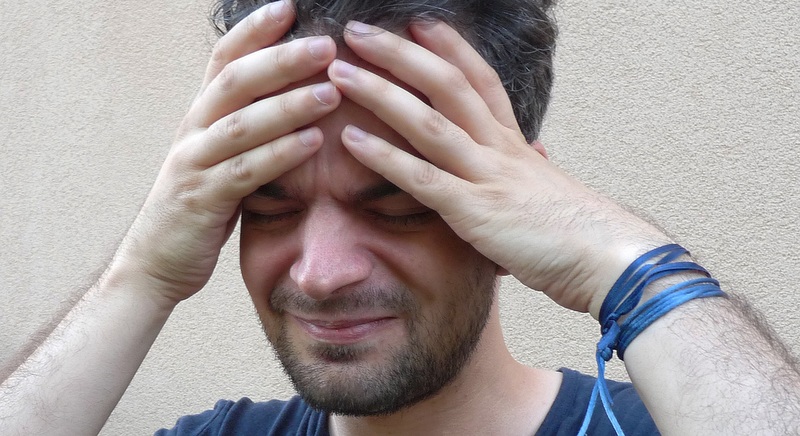
Simply put, the bad things that happen in life are going to happen. These control issues cause stress and the body creates a so-called stress hormone in response (cortisol), which elevates blood pressure.
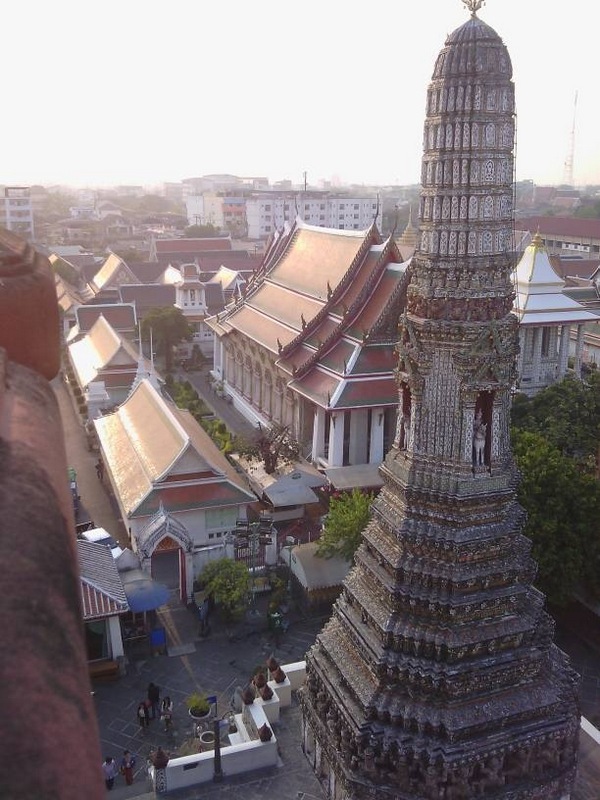
Now, if you want to do something positive – say, climbing Bangkok’s Temple of Dawn – your body will need to provide energy to accomplish all of this labour and in the process your blood pressure and heart rate will rise with the stress.
Stress hormones are also coursing through your body when you allow yourself to get excited by things that you can’t change.
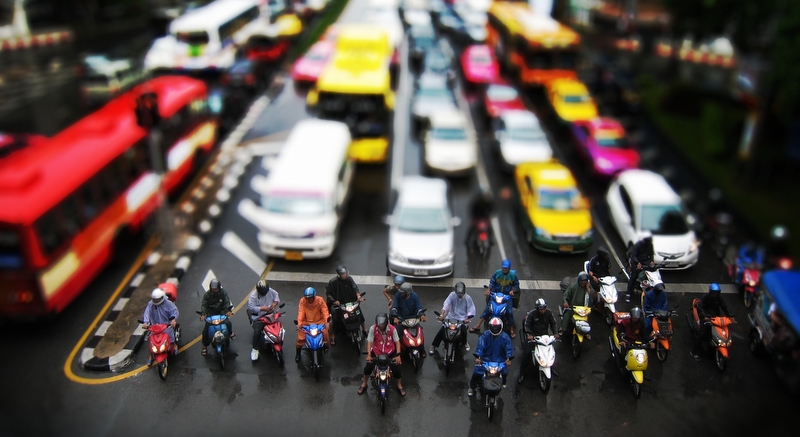
Traffic jams, debt, work problems and family problems are all prime examples. Trying to change other people is also a prime driver of stress.
A negative reaction to life, or trying to control that which is uncontrollable, elicits the exact same physical response as when you confront a mortal threat.
It does so for a very short period of time, but if this becomes a daily or hourly event, as the decades pass, high blood pressure develops.
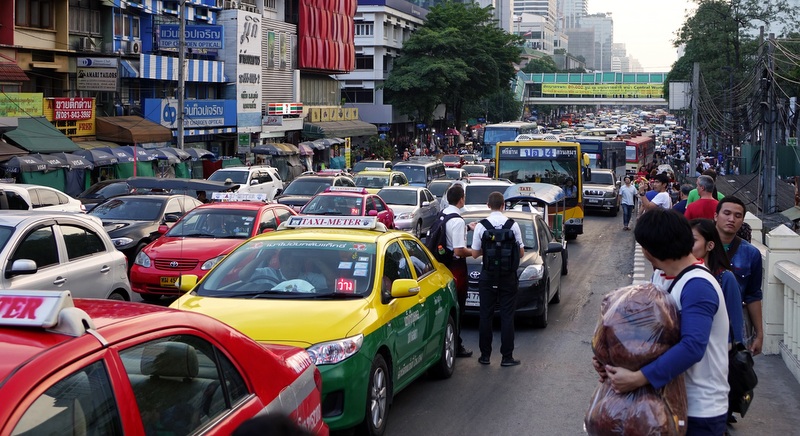
A very good story about this happened when one of my best friends visited Bangkok. We were stuck in a traffic jam in Chinatown for over an hour.
After about 15 minutes, he became very agitated. I asked him if he was angry and anxious because of the traffic jam and, to my surprise, he said no. So, I asked why then was he so upset? His reply was because nobody was honking their horns.
You see, he was from America, and he could not understand why Thai people would be so patient and simply wait to get to where they were going.
This is a prime example of what I mean. His blood pressure and heart rate went up for no useful reason. Repeating this process every day is the ticket to high blood pressure and other problems.
We actually create most of our own stress and the cause of stress in the modern world is exactly the same as in the old world.
The cause of stress is our reaction to the world, not the world itself.
Then, once the stress has been created by our own reactions, we accelerate it with negativity.
We tend to say things like: Why do I have to do all of this damned work? Why me? Why is the world always screwing me? Why does nobody appreciate what I do?
Another source of stress is not allowing mistakes. First we try to avoid mistakes, which no human can, and then we expend massive amounts of energy hiding the mistake, or being embarrassed over it.
But the stress of avoiding mistakes actually takes energy away from attention we could otherwise place elsewhere, which causes yet more mistakes, and that causes a repetitive loop.
This constant stress also causes us to eventually preform at a lower level, which makes everything worse.
So, unlike Thai Buddhists, we tend to reach for the wrong solution to resolve our stress.
We call it high-blood-pressure medication. But these medications only treat the physical signs of stress, not the thought process in our mind that created it.
So, over time, we wind up on more high-blood-pressure medication and still other medications.
But here in Thailand, you probably have noticed that these wise old monks are very calm and don’t have these problems.
So, how can you, probably a non-Buddhist, use Thai Buddhist teachings to lower your stress? I will tell you.
First, unlike our Thai counterparts, we Westerners don’t let go of our stress because we’ve unwittingly grown to desire it.
We actually don’t want to be rid of our stress because, like old leather, we’ve grown accustomed to how stress hormones feel and we cannot remember that there might be a better way to feel.
To break the chains of stress, you must first have a sincere desire to be rid of it and avoiding unnecessary stress is a key component of Thai culture.
You also have to stop your body from craving its stress hormones, which has happened over many years.
The antidote to stress is laughter. The cure to stress is changing your attitude towards life. Don’t try to please others. Don’t allow others to control your happiness.
Take a few minutes to savour the moment or, if you’ve been following All About Buddhism, maybe meditate for a while.
Ultimately, the solution to stress is reintroducing mistakes to your life and treat them as a natural part of life and enjoying them, maybe even laughing at them.
Look at things positively. Turn off the 24-hour cable news and turn on something fun.
Thais like everything to be easy and fun. You can easily copy this.
If it rains, go to the waterpark. If you’re hungry, have a healthy dinner with your friends. This is the Thai approach to life and, if you do this, watch your stress disappear.
All About Buddhism is a monthly column in The Phuket News where I take readers on my exotic journey into Thai Buddhism and debunk a number of myths about Buddhism. If you have any specific queries, or ideas for articles, please let us know. Email: mitnoy@live.com, and we will do our best to accommodate your interests.