



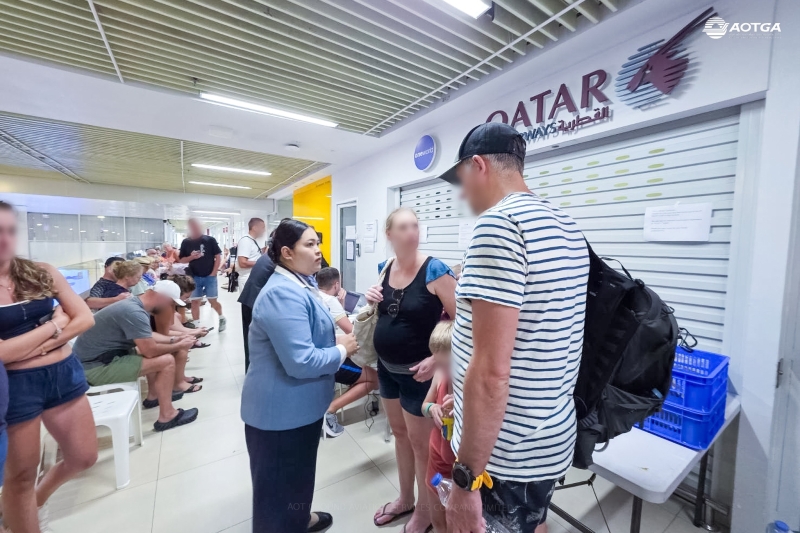
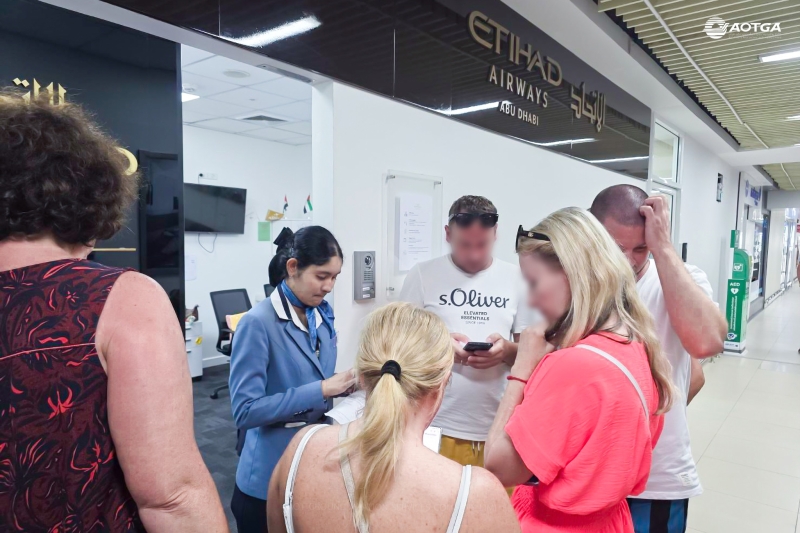
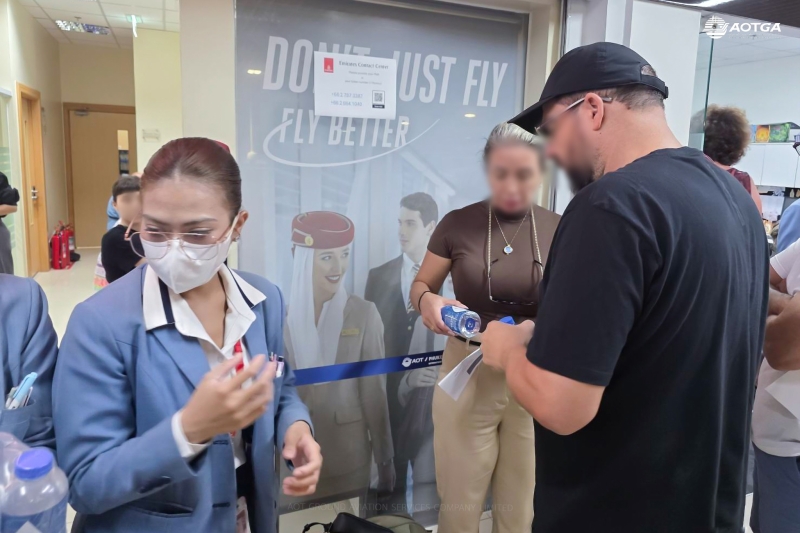

The conflict that has shut Mideast airspace has particular consequences for European markets, which regained strong momentum last year, caretaker tourism and sports minister Artthakorn Sirilatthayakorn said on Thursday (Mar 5) after talks with Tourism Authority of Thailand (TAT) officials.
In the short term, the conflict in the region has affected those whose flights are connected through Middle Eastern hubs, and might also hit travellers’ confidence in taking long-haul trips to Thailand, reports the Bangkok Post.
Surging operating costs for airlines would also have an impact on airfares, as fuel typically accounts for 25% of a carrier’s operating expenses.
According to a preliminary forecast by the TAT, the worst‑case scenario would involve a potential decrease of 25% to between 27 million and 29mn foreign visitors, from the 2026 target of 36.7mn.
If the war ends within three months, the agency sees an 18% decline to 30-31mn, which is the base‑case scenario.
For the best‑case scenario, if tensions subside in two to four weeks, there would be a minimal impact of only 2%.
However, Mr Artthakorn said it was too early to predict the outcome, and the TAT is now aggressively diversifying its promotional efforts into unaffected markets instead, such as other medium- and short-haul travellers.
“We still have to do our best to maintain the arrival flows during the Easter holiday and Songkran holiday in April, hoping to secure at least 30mn travellers this year,” said Mr Artthakorn.
In 2025, Thailand welcomed 33mn international arrivals, generating B1.53 trillion. Earlier this year, the TAT targeted 36.7mn international tourists with earnings of B2trn in 2026.
Long-haul travellers are expected to account for 30% of volume and 45% of revenue for arrivals to Thailand.
Mr Artthakorn said the ministry and TAT would meet with representatives of hotels, tour companies and airlines on Monday to further gauge the impact of the war and to listen to potential solutions.