


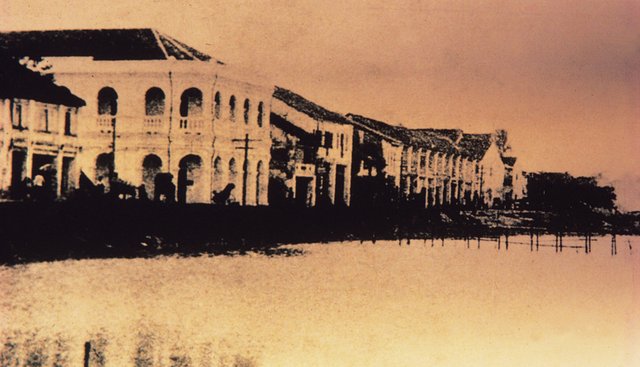
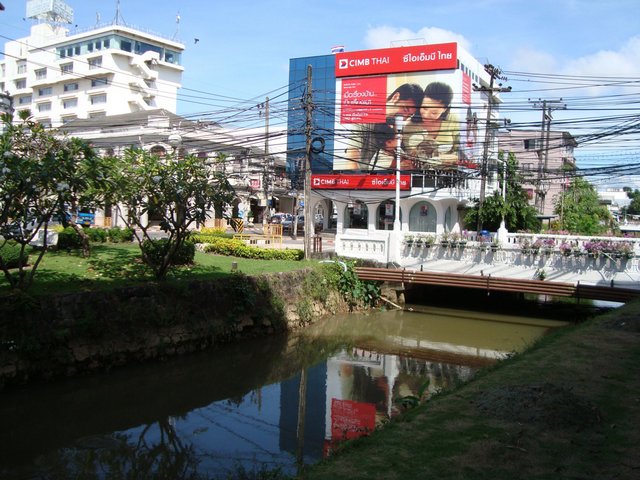
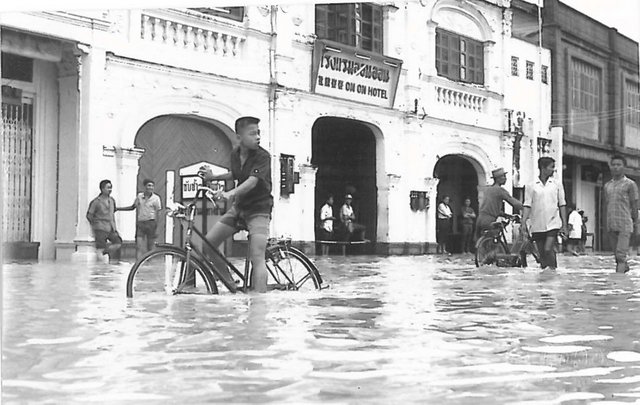
Phang Nga road in the heart of old Phuket town is unrecognisable to what it once was.
In the late 19th and early 20th centuries, the thoroughfare was a bustling centre of commerce, where a multinational mix of traders would ply their wares, and stop at local street stalls to eat and drink.
Although still active today, with many artists calling it home, the road is much more sedate. Sitting along a quiet stretch of that road is the On On Hotel, quietly contemplating a big change for the future.
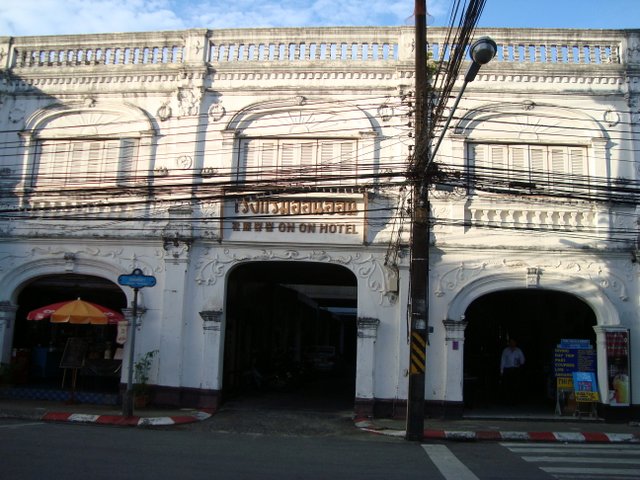
Phuket’s oldest hotel closed last month, but is due to be reopened by the end of the year following extensive renovations, with a brand new look.
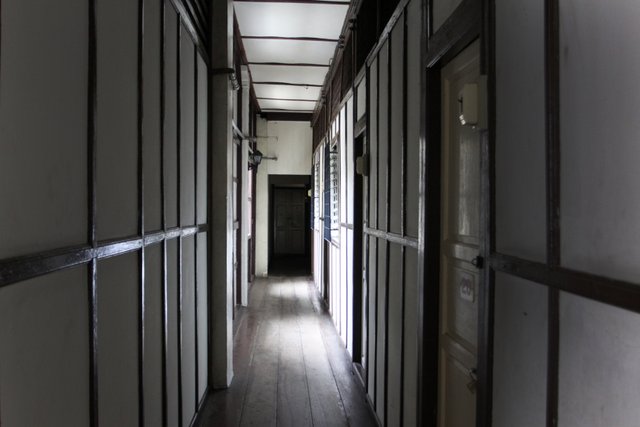
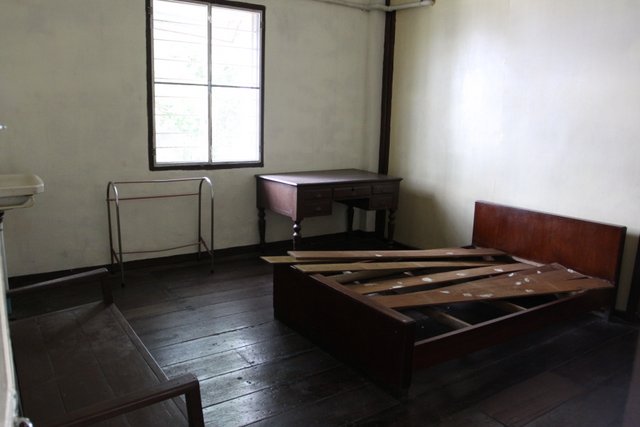
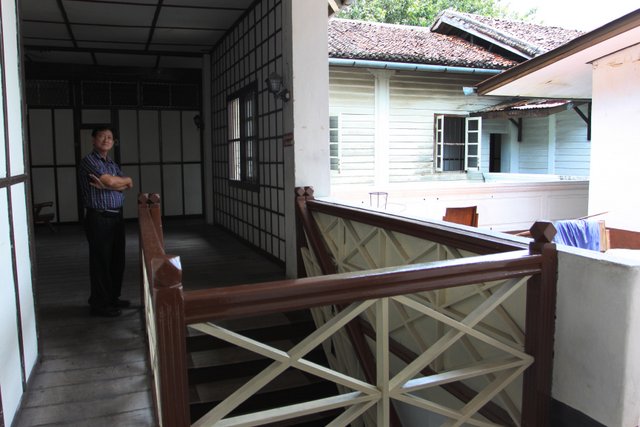
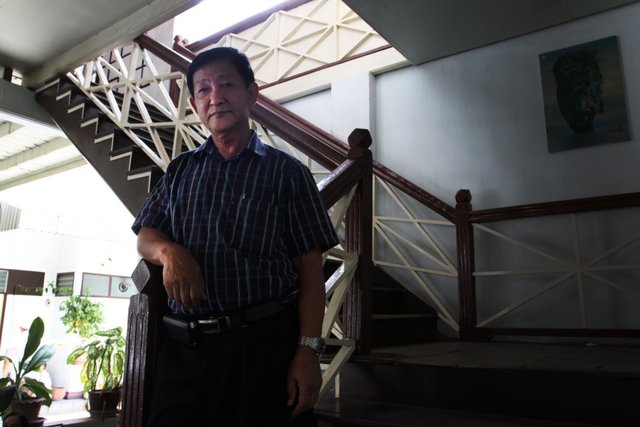
Exactly how it is going to look is anyone’s guess, though according to the On On Hotel’s owner, Anurak Tansiriroj, grandson of the founder Pak Yok Tew, the creaky doors, old timber floors, rattling fans and gloomy rooms familiar to generations of backpackers are likely to give way to a more contemporary and comfortable look.
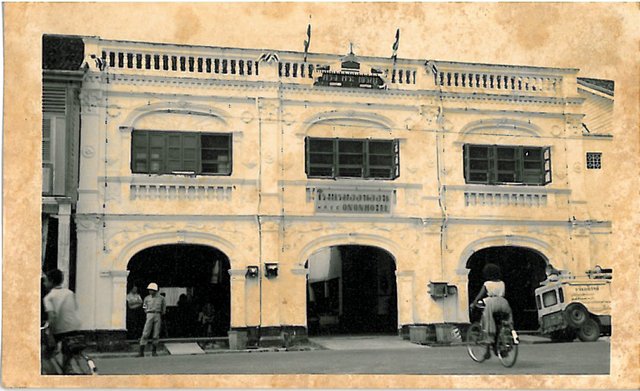
However, Mr Anurak is resolute that the famous Sino-Colonial facade of the hotel, with its delicate stucco and valuable architectural style, will remain the same as it was when it opened in 1929.
“Think about the hotel as a man with a heart disease. This renovation is like performing heart bypass surgery on the hotel,” says Mr Anurak, whose family coincidentally owns Phuket International Hospital.
Indeed, if the On On Hotel was a man, it would be a tough, hardworking one, just like its founder.
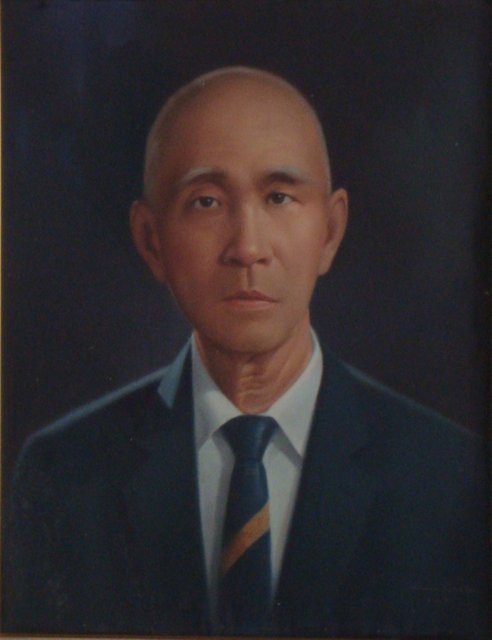
In 1898, a Chinese immigrant named Pak Yok Tew left his home in the southern Chinese province of Fujian, on a cargo ship bound for Singapore. He was 12 years-old, an orphan, and desperately poor.
He made a living in the British colony by working in several jobs in exchange for food and accommodation. Four years in Singapore and then a stint in Penang taught him the value of hard work.
However, realising that he’d never make his fortune in Singapore, in 1902 he made the fateful decision to board a ship headed for Phuket, the island where his luck really began to change.
“He’d left a poor worker’s life in Singapore, this was a chance to reinvent himself,” says Mr Anurak.
Young Pak’s new life as a businessman began with him selling utensils, appliances, knives, keys, chains and hammers on the sidewalk of Thalang Road, by then the commercial centre of Phuket.
Eleven years passed, and Mr Pak grew up, married and managed to buy a building on Phang Nga road, converting it into a store that sold everything from steel to rice, and even imported cars from Penang.
Through his business, Mr Pak had come to know and befriend many Penang merchants, who regularly visited Phuket. He saw an opportunity to establish a hotel where the merchants could stay.
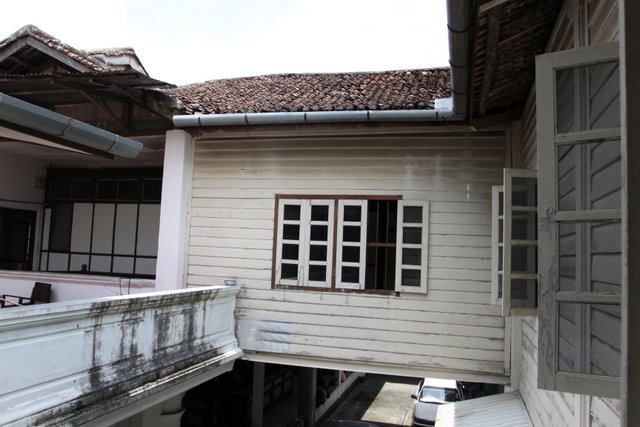
The On On (it means comfort and happiness in Chinese) Hotel was born, with the first five guestrooms built on the second floor of the building, on the side lane that adjoins Phang Nga road.
Room rates were reasonably priced, varying from 0.80 satang to B1.50 per night (roughly B1,000 in today’s money). The hotel enjoyed great success, especially when Phuket entered the tin mining era and began drawing traders from across Asia.
Rickshaws were sent to pick up guests at either the Kor Jarn Bridge, where the canal meets the sea at Sapan Hin, or at a small port on the Bang Yai canal opposite the old Standard Chartered Bank.
Mr Anurak explains that in its prime, the hotel was unrivalled in Phuket.
“A rickshaw was like the limousine of that time,” he says, adding with a smile, “On On was also the best hotel because there was no others on the island.”
During World War II, the On On Hotel was used by the Japanese army as an officer’s club.
Despite his Chinese origins, the Japanese respected Pak Yok Tew’s diligence and straightforward character, offering him the privilege of trading steel, metal and important war materials with their military. However, Mr Pak turned down the offer because of his anti-war sentiments.
Later, he invested in the thriving tin mining business, taking out a mortgage on the hotel to finance his operation. But things didn’t work out, as the land he was mining produced only meager amounts of tin.
With the lender seeking foreclosure on the mortgage, for a while it seemed like his hotel business would come to a sad end, but Mr Pak didn’t give up, instead choosing to work hard to clear his debt.
Mr Anurak remembers his grandfather telling him about that time, and his greater work ethos: “He used to say, ‘If I keep going, I may die, but if I stop, I will definitely die.”
The former orphan boy sold off his toxic assets in the tin mining business, and focused all his efforts on the On On Hotel until he died with dignity, and without debt, in 1967, having expanded the number of rooms to 50.
However the turbulent times of the On On didn’t end with Mr Pak’s death. The property passed into the hands of his son, Mr Keng.
But with increased competition, it was hard to attract well-heeled guests. Indeed, during one dark period it became a ‘short-time hotel’, where the purpose of staying was other than sleeping.
“The hotel had its rise and fall,” admits Mr Anurak. “It enjoyed both prosperity and difficulties.”
When Mr Anurak took over the hotel in 1986, he spent money to improve the condition of the hotel, in an attempt to recapture its former glory, with moderate success.
Although the owners have never promoted themselves as a film set, over the years the hotel has attracted its fair share of Hollywood location shoots. The most famous of these movies was The Beach starring Leonardo DiCaprio, where the On On stood in for a guesthouse on Khao San Road in Bangkok.
Rather than advertising, the On On Hotel has instead survived through a core group of loyal customers. Its charming, unique and traditional Sino-Colonial style, coupled with its cosy atmosphere, also earned it a much-coveted recommendation in many guidebooks, including the likes of Lonely Planet.
Another explanation as to why guests keep returning to Phang Nga Rd is Mr Anurak’s warm welcome. “Coming back to the On On is like coming home for some of our guests,” says Mr Anurak. “For me, to make my customers feel home and have a good relationship with them is very important.”
Though the interior décor of the hotel will soon dramatically change, the unique feeling of the hotel should ensure its continued success on an island crowded with unremarkable places to stay.
For as Mr Anurak points out, “I could easily build a new hotel, but no one can build another On On.”