


Russian roulette:
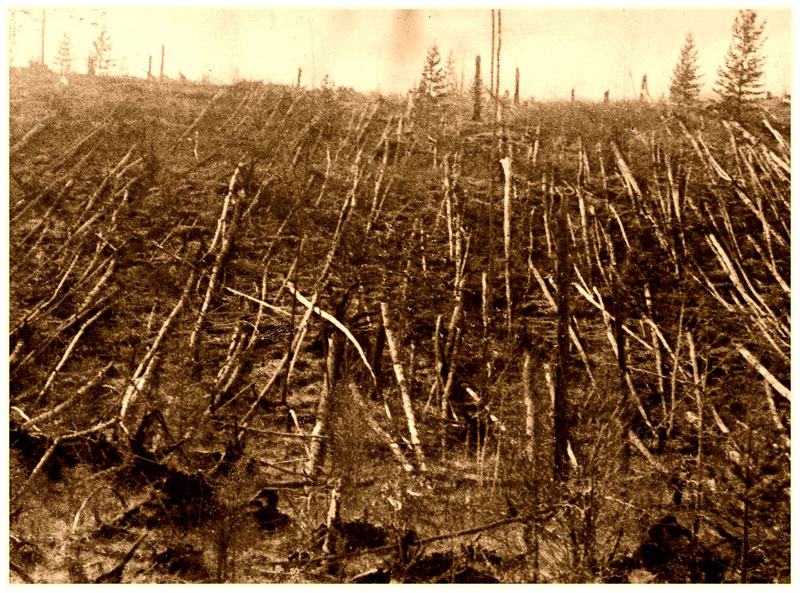
The Tunguska explosion in 1908 occurred in an isolated part of eastern Siberia. Modern estimates put the size of the object at 100 metres across, with a mass of about 40,000 tonnes – the largest in recorded history. The meteor exploded about five kilometres up, with a force of a typical hydrogen bomb. The blast was heard thousands of miles away, but the impact site was so remote that it was years before a scientific expedition could report that the explosion had flattened 80 million trees, over an area of more than 2000 square kilometres.
Fatal falls:
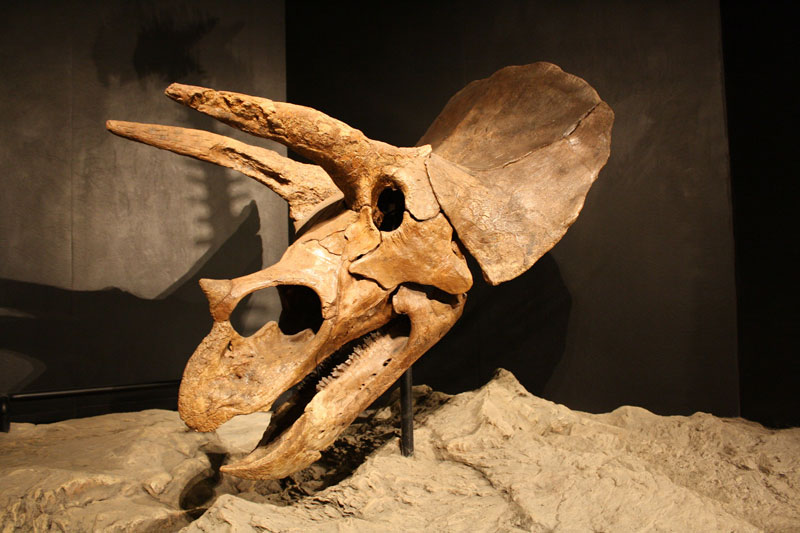
The Chicxulub impact around 65 million years ago, in what is now Yucatan in Mexico, is thought to have wiped out the large dinosaurs. It was caused by a rock about the size of a small city, which crashed to earth with a force of equivalent to 96 million-million tonnes of TNT, killing off anything much larger than a rat. The only known modern fatality from a meteorite occurred in 1972, at Trujillo in Venezuela. Villagers heard a sonic boom at night, and the next morning found a large meteorite in a field, beside a dead cow with a crushed neck. Photo: Wookies
Magic sky metals:
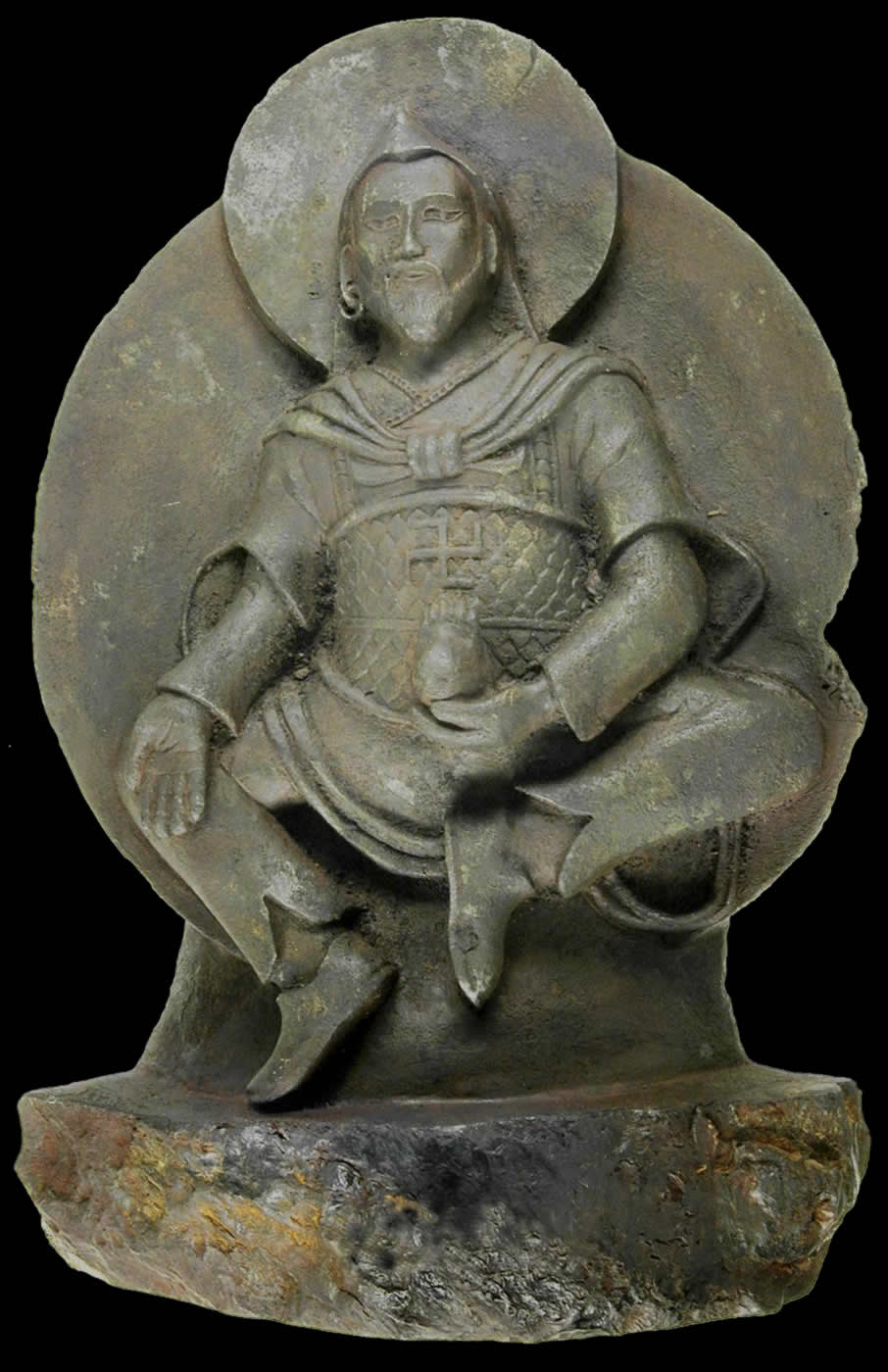
The hard extraterrestrial iron found inside some meteorites was used for weapons, armour and sacred objects for thousands of years before humans learned to smelt iron from ore. Sacred objects fashioned by the Phoenicians from meteorites are mention in Old Testament writings, and in Greek and Roman legends. In Tibet, thokcha, or “sky iron” from meteorites was used for magical statues, talismans and ceremonial weapons. Photo: Elmar Buchner
Rear-end collision:
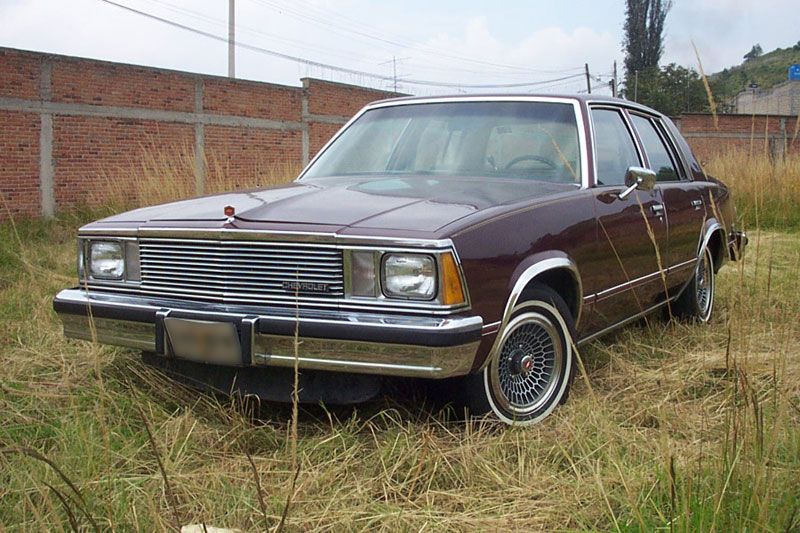
In October 1992, 18 year-old Michelle Knapp was alone in her family home in Peekskill, when a meteor flashed between two houses and smashed into the back of her car – an red Chevy Malibu – parked in the driveway. The impact crushed the boot, but Miss Knapp was able to sell the car to a meteorite collector for US$10,000 (B300,000) – not a bad deal, considering she only paid US$400 (B12,000) to buy it a few weeks earlier.
Raining rocks:
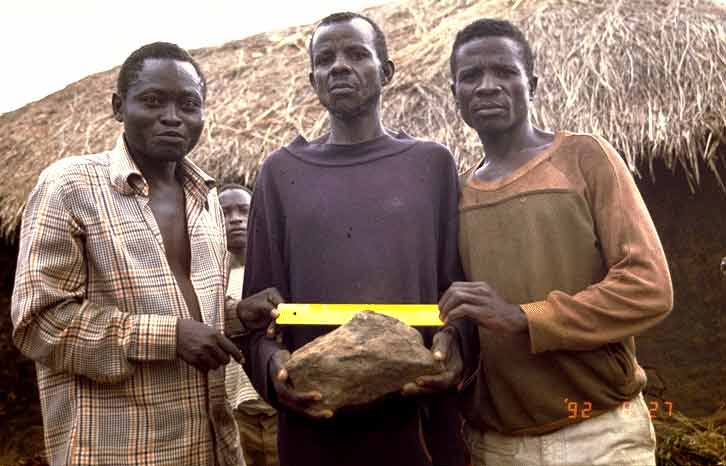
In 1992, hundreds of rocks from an exploding meteor rained down on the Ugandan city of Mbale. One small meteorite even struck a small boy in the head, after bouncing off a banana tree. Local sages declared the meteorite shower was a cure from God for disease, and so the rocks were collected and ground up to be used in medicines. In a few months, local people collected more than 400 rocks weighing more than 150 kilogrammes in total – the largest weighed more than 20 kilograms. Photo: Dutch Meteor Society