


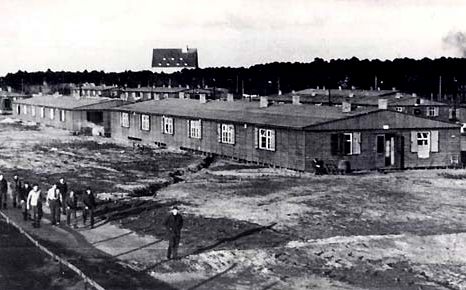
The Great Escape: In March 1944, a total of 76 Allied prisoners of war escaped through a 120 metre tunnel from the Stalag Luft III POW camp at Sagan, in what is now Poland. The remote camp site was reportedly chosen by the Germans because tunnelling would be difficult, but the POW’s spent more than a year secretly digging three different tunnels, in case one or more were discovered by the guards. Dramatised after the war as the movie The Great Escape, the Stag Luft III bust-out was one of the most daring escapes of WWII, but not especially successful: of the 76 escapees, 73 were eventually recaptured.
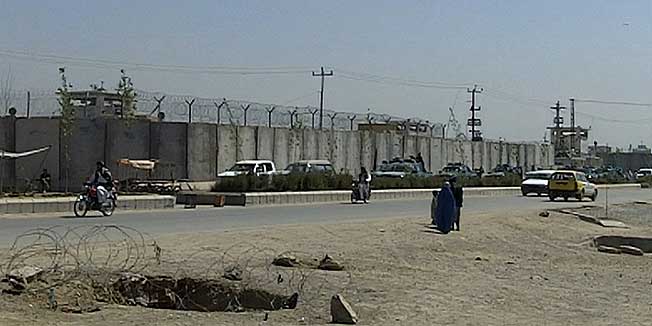
Taliban tunnel: In 2011, more than 400 prisoners escaped from the Sarposa prison at Kandahar in Afghanistan – used to hold members of the Taliban and other militant fighters. The jail-break has been compared to the Stalag Luft III escapes, but the 350 metre-long tunnel was built from outside the prison, starting at a site on the far side of a highway, and was fitted with electricity cables for lighting and ventilation. The break-out wasn’t noticed for four hours, by which time most of the prisoners had been spirited away.
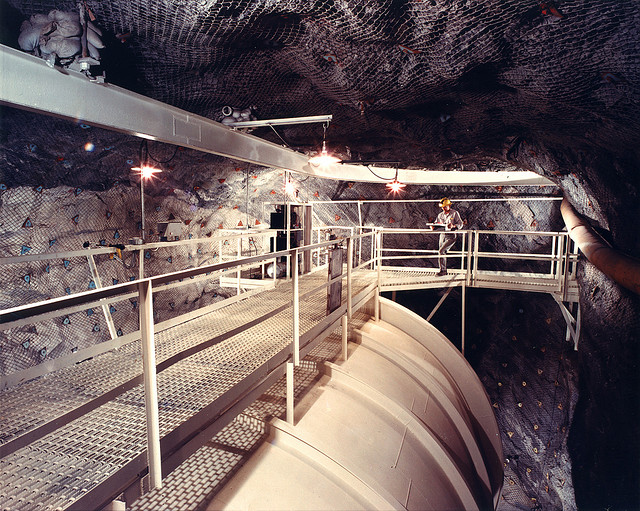
Dark matters: Engineers in the United States are building the world’s deepest laboratory for scientists researching one of the great mysteries of the universe. The lab is being built in the Black Hills of South Dakota, 1,500 metres below the surface in the old Homestead Gold Mine, which reaches as deep as 2,500 metres in places. Scientists hope the instruments in the deep lab will be shielded from cosmic rays that could interfere with their experiments to detect “dark matter” particles, which make up about a quarter of the mass of the universe. (Photo: Sanford University)
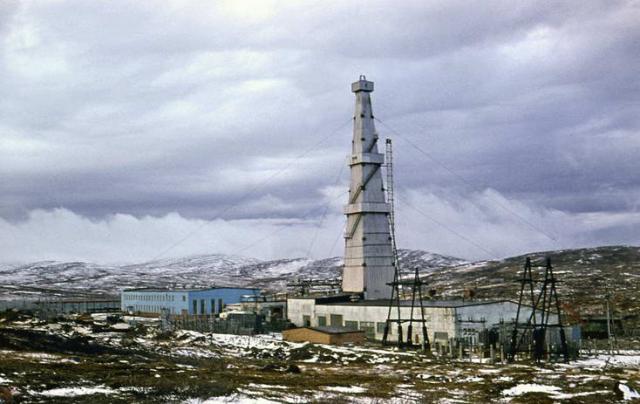
Great Russian bore: Engineers in the Soviet Union embarked on a mission to drill the deepest bore-hole in the world, mainly because the title was held at the time by a 9,500-metre oil bore in the US state of Oklahoma. The “Kola Superdeep Borehole” in Russia’s far northwest began in 1970 using special drilling rigs; it broke the Oklahoma record in 1979 and by 1989 it had reached a depth of 12,262 metres. Today it is still the deepest hole ever drilled, and the deepest artificial point on the earth, although some off-shore oil wells now have boreholes that reach deeper below sea level.
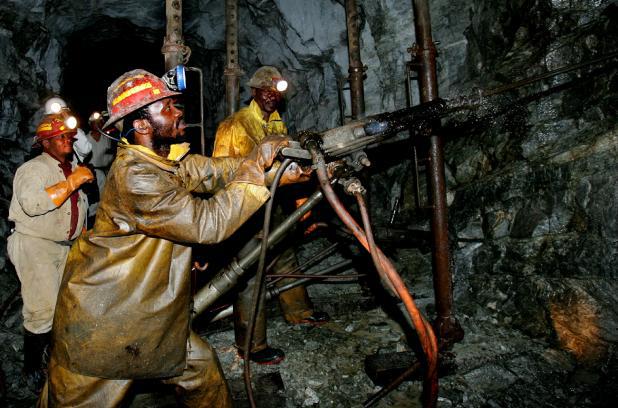
Digging deep: The deepest operating mine in the world is the TauTona gold mine in South Africa, west of Johannesburg, which reached 3,900 metres underground in 2008. The mine comprises more than 800 kilometres of tunnels, and miners working on the deepest rock faces take one hour to travel from the surface – including a journey in a lift cage that shoots down at almost 60 kilometres an hour.