


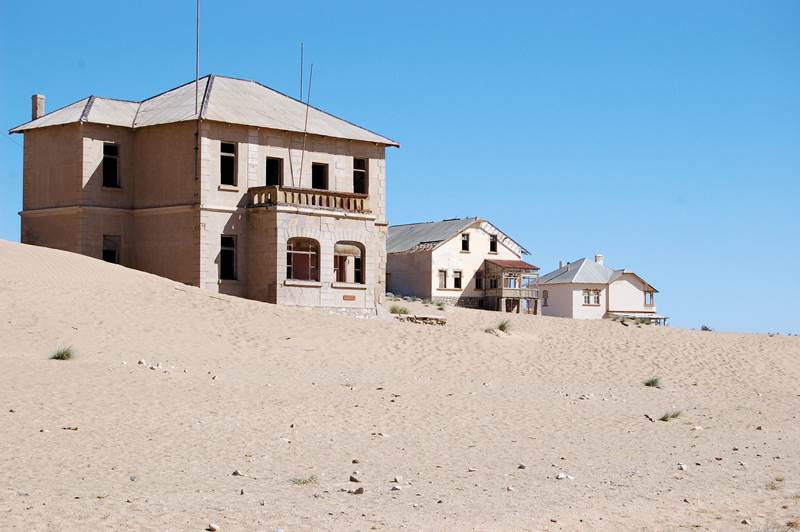
Sands of time: the Kolmanskop is a ghost town in the Namib desert near the port of Lüderitz. It sprang up in a few months after diamonds were discovered nearby in 1908, as people flocked to the area in search of an easy fortune. Soon it boasted a casino, theatres, schools, hospital and exclusive residential buildings. But a drop in diamond prices after the First World War heralded the end of the desert boom town, and by the 1950s the dunes of the Namib desert had started to reclaim it.
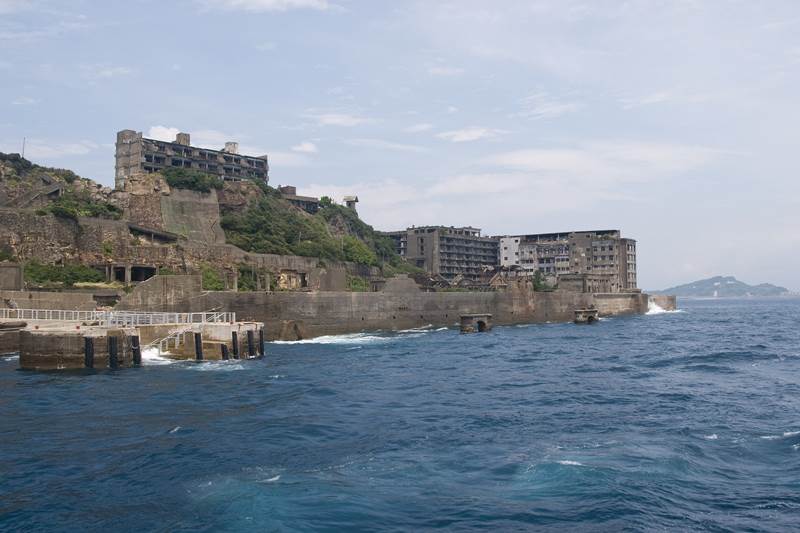
Battleship Island: the tiny island of Hashima in Japan’s Nagasaki Prefecture once housed tens of thousands of coal miners and other workers for almost a century, until Japan’s coal mining industry closed down in the 1970s. Today the island is covered with towering empty city buildings and surrounded by a sea wall, giving it the appearance of a warship from a distance. Today Hashima is a popular tour boat stop, and its eerie cityscape inspired the island fortress of Bond-villain Raul Silva in the movie Skyfall.
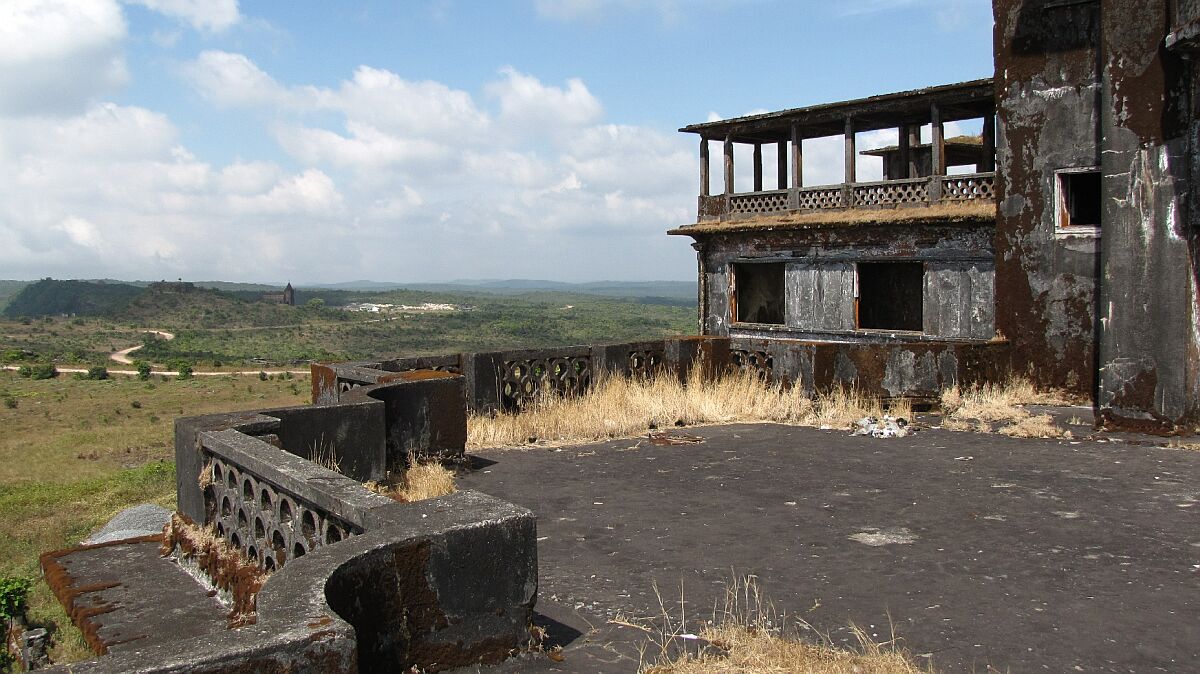
Cambodian folly: Bokor Hill Station is a French Colonial ghost town in the mountains near the south-western tip of Cambodia. It was built in the 1920s as a resort for French settlers to escape the heat and humidity of the capital Phnom Penh, and its construction cost the lives of 900 Cambodian labourers in nine months. Bokor Hill was abandoned by the French during the first Indochina War in the 1940s, and it later became one of the last strongholds of the Khmer Rouge.
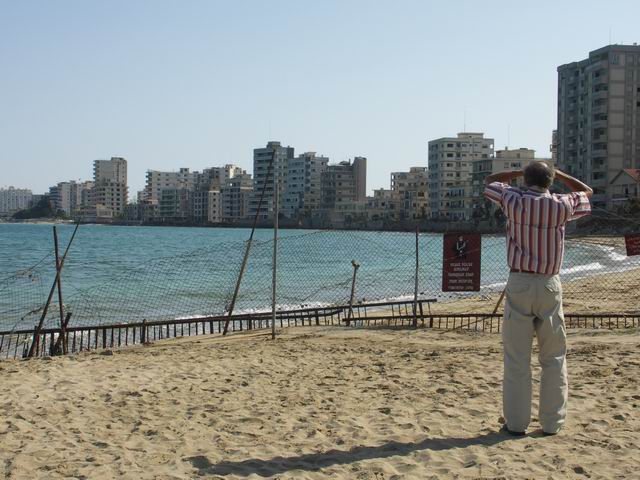
Ghost resort: Varosha is a quarter of the Cypriot city of Famagusta, located on the wrong side of the “Green Line” marking the border of Northern Cyprus. Before the Turkish invasion of the north of the island in 1974, Varosha was the city’s beachside tourist area, and one of the most glamourous jet-set destinations in Europe. But its residents fled during the invasion and it’s been abandoned ever since, its many luxurious seaview hotels now offlimits to visitors from either side of the divide.
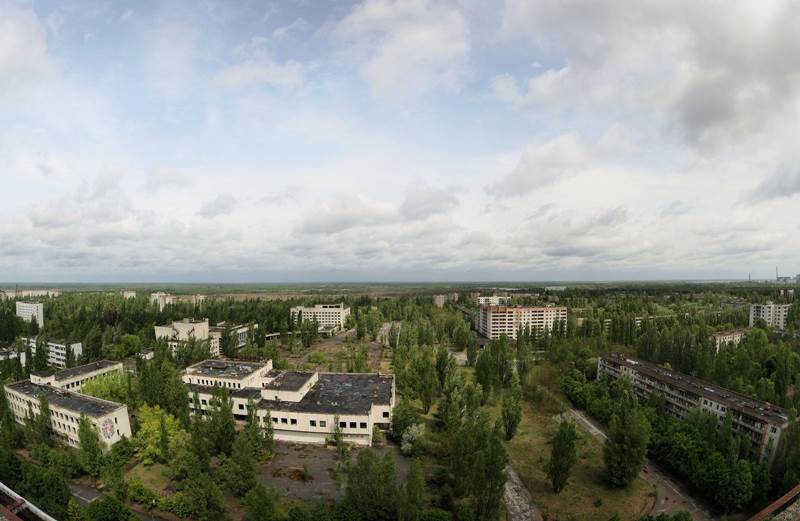
Nuclear city: Pripyat was founded by the Soviet Union in the early 1970s to house workers for the nearby Chernobyl Nuclear Power Plant, and by 1980 was home to almost 50,000 people. That number dropped to about zero in 1986, when most of the inhabitants fled after one of the plant’s nuclear reactors caught fire, sending a huge cloud of radioactive smoke and debris across Europe. The city of Pripyat is still too radioactive for people to live there safely, but in recent years it’s become a haven for wildlife.