


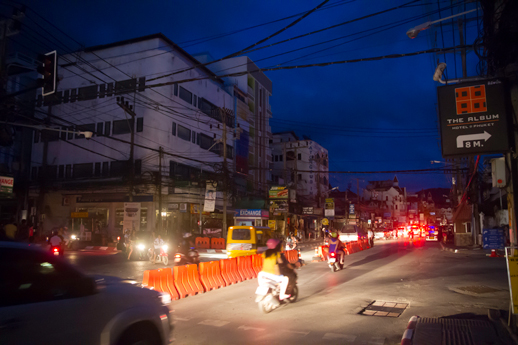
The pollsters at Assumption University based the result on interviews with 2,075 people in 17 provinces between May 22 and 24.
The provinces were Bangkok, Phetchaburi, Chachoengsao, Nakhon Pathom, Samut Prakan, Uttaradit, Lampang, Chiang Rai, Mukdahan, Nong Khai, Sakhon Nakhon, Loei, Roi-Et, Buri Ram, Songkhla, Yala and Narathiwat.
Sixty percent of the respondents said that when the blackout occurred, they were in a state of panic, worried that it was result of terrorist attack and concerned about possible crimes taking place after that.
However, 31.6% had no concerns and 7.9% had no opinion about the blackout, said Puntaree Issarangkul Na Ayudhaya, assistant director of Abac Poll.
Asked whether they had confidence that authorities would be able to improve the power transmission system before the debut of the Asean Economic Community (AEC) in 2015, 79.3% of the respondents said yes but 20.7% disagreed.
Asked who should take responsibility for the blackout, 55.7% named the energy minister, 35.1% said all cabinet ministers should be held responsible, 7% said it was a responsibility of energy-related agencies, and 2.2% said people should take care of themselves.
More than half of the respondents, 51.4%, said the energy minister should be held responsible for damage to electrical appliances caused by the blackout, while 36.8% pointed to cabinet members, 10.8% said power agencies, and 1% said people should take care of the damage costs themselves.
Ms Puntaree said 82.5% of the respondents believed the blackout had eroded confidence of foreign tourists, but 17.5% said it had no effect at all.
She said the government and related state agencies needed to come up with measures to ensure national energy security to restore the confidence of Thais and foreign investors and to get the country ready for the AEC.
Read the original story here.