


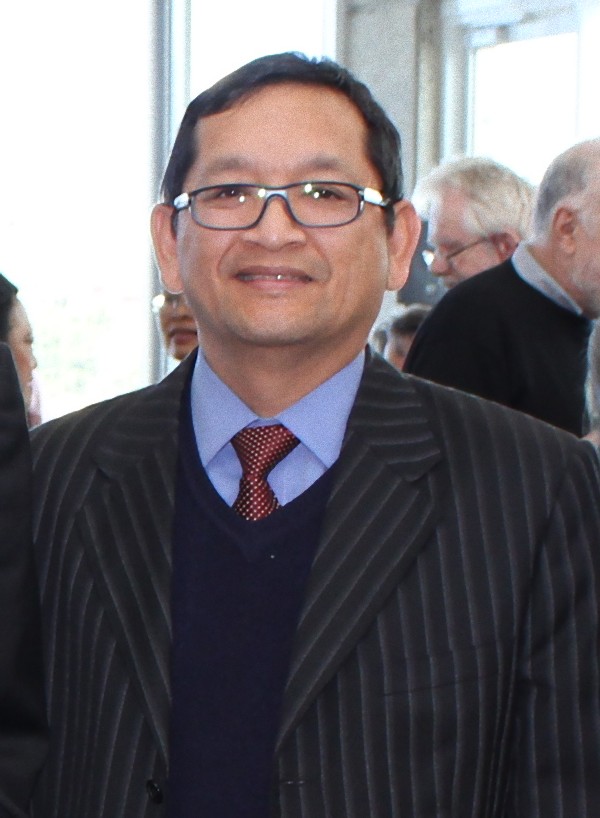
Sorajak Kasemsuvan, moved by the Finance Ministry from the top post at the Mass Communications Organisation (MCOT) was enjoying his first day in the top office, on October 9, while the honeymoon with the local media got off to a good start at a media briefing later in the day.
But it is likely to be short-lived honeymoon as the airline remains tangled in politics at the top and has just embarked on an expensive re-fleeting in a belated bid to catch up with its traditional competitors Singapore Airlines and Cathay Pacific Airways.
“I cannot give today a target for profit and revenue and other concrete plans to generate revenue because I have just taken up office. I have to learn the job and discuss the business prospects with other executives,” said Mr Sorajak.
That is his biggest challenge; learning the job and ensuring he gains from the management team unbiased facts to allow him to make the right choices.
The national airline has in the past been held back by infighting, factions and a lack of team play as groups fight for control or attempt to undermine their perceived enemies.
But this was Day One, so he believed in THAI’s future based on its valuable assets – human resources and good time slots in many destinations.
“Importantly the airline now has competitive products, as new aircraft as well as retrofitted aircraft roll into the fleet. THAI has to work on improving service quality and emphasise more on Thailand branding to differentiate itself from its competitors.
“We need to build the Thailand brand as it will be our competitive edge — top-notch Thai food and Thai hospitality. The difference will generate revenue. I am also thinking of bringing OTOP products on board and would love to promote handicrafts and fabrics as well,” he elaborated.
Nothing new there; former president, Chatrachai Bunya-ananta adopted that policy back in the 1980s long before OTOP was a gimmick. He introduced local coffee and ingredients in the in-flight galley and Thai fabrics were used in cabin interiors.
He was the only president to succeed in uniting the airline’s management, mainly due to the fact he was an early recruit when the airline was still young and aggressive and grew with it, moving up the ranks to be the first non-air force appointed president.
During his tenure the airline engaged and financed national tourism promotions in partnership with the Tourism Authority of Thailand. But that sense of national teamwork in tourism has not been seen since.
In contrast, Mr Sorajak’s predecessor, Piyasvasti Amranand, was fired in May for “not communicating with the board”. He is now suing for millions of baht for wrongful dismissal.
Mr Sorajak did talk of flexible pricing to help improve revenue and hopes to increase online sales which are still relatively low compared with other airlines.
“We need innovations and we need to respond promptly to volatile markets. This does not mean gadgets and gimmicks, but improvements in human resources development, sourcing revenue from other business besides air fares…
“We have to encourage staff at all levels to voice opinions and present ideas that will help the company develop,” the president said.