


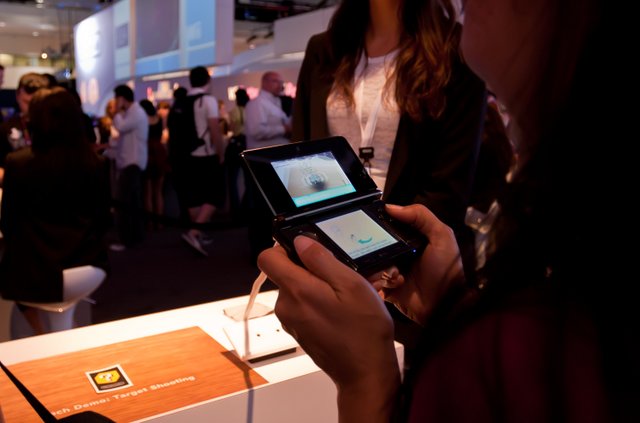
Executives at the Electronic Entertainment Expo (E3) held this week in Los Angeles said the industry – long focused on generating blockbuster titles for PlayStation, Wii or Xbox 360 – are taking a new look at portable platforms.
The new market includes not only die-hard gamers but more casual players, the kind who tap the touchscreens of their iPhones or Android devices while riding the train or waiting for the dentist.
Olivier Pierre, of the game publisher BulkyPix, said there is room for both segments to grow.
“Mobile is a new platform, as is Facebook. And these new platforms do not cover the same audience as console games,” he said.
“I don’t see a real competition between smartphones and consoles so far. Maybe in the future, but that’s not the case right now.”
But some analysts say the rise of smartphones and tablets is threatening to crowd out handheld consoles like Nintendo’s 3DS and the Sony Vita.
A survey by ABI Research shows some 38 million handheld gaming devices from Sony and Nintendo are expected to ship in 2013, down from a peak of 47 million in 2008.
The report said smartphone and tablet use for gaming continues to expand, providing increased competition in the handheld market.
“Mobile devices will compete with dedicated handheld gaming devices, but select consumer segments like core gamers and those individuals who do not want or have a smartphone or tablet will still provide some demand,” ABI analyst Michael Inouye said.
Jack Buser, senior director of PlayStation Digital Platforms for Sony, said growth in mobile games is good for the market.
“Because of the prevalence of digital devices, (users) are discovering that, yes, they are gamers,” he said.
“This is a trend that is extremely healthy for the industry, and we will embrace it. We are all for the evangelisation of electronic games to the broadest audience possible.”
Mobile gaming is a unique market, with games that are either free – financed by advertising – or costing just a few dollars.
This represents a change for classic developers, which invest millions of dollars in major franchises and sell games for around US$60 (B1,900) apiece.
“The game should be designed for mobile,” said Eiji Araki, head of the social games studio GREE.
“The mobile player is different from the console game player. They are always online and they can play games all the time... so the game should be designed for three-minute sessions, for minimum times.”