


Those who don’t know better, of course. Those who do know better will know that Cape Town in particular has a thriving and eclectic mix of delicious cuisines, from Afrikaans specialties to Cape Malay food, Indian, Mozambican with its Portuguese undertones, and a whole swath of African cuisines.
South Africans can be heard referring to it as “rainbow cuisine”, part of the whole Rainbow Nation concept that says, “Since apartheid was chucked deservedly into the garbage dump of history, we’re a nation of all colours.”
They could add, “and a nation of all cuisines.”
They also have a venerable tradition for making excellent wines going back 350 years when Jan van Riebeeck planted the first vineyards.
All of this excellence was on display at a wine dinner at the Boathouse in Kata on Thursday last week (June 14) at the end of a week of South African events that included, naturally, a braai (though no giraffes).
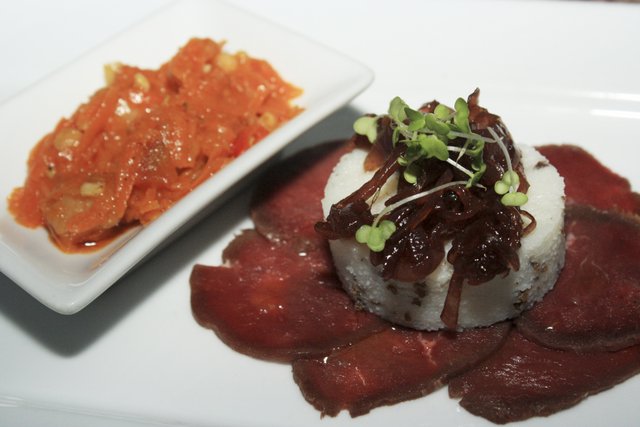
The five-course dinner, cooked by a team of three who had flown in from the enormous Emperors Palace casino resort complex in Johannesburg (68 game tables, 1,724 slot machines), started off with grilled pap and biltong cake, topped with smoked venison and chakalaka on the side.
Translations: Pap – a kind of porridge cake made from maize. Biltong – dried, or jerked beef. Chakalaka – a South African take on chutney.
With the venison, a stunning start, and accompanied by a smoky, dry, crisp 2009 Ken Forrester Chenin Blanc from Stellenbosch in Western Cape province. To my palate the best, most distinctive wine of the evening.
Soup followed, a North African prawn bisque with morogo (a relative of spinach) and basil pesto croutons. Bisques can be bitter. This was not. Just think, creamy and tasty. Washed down with a Porcupine Sauvignon Blanc 2007, also from Stellenbosch.
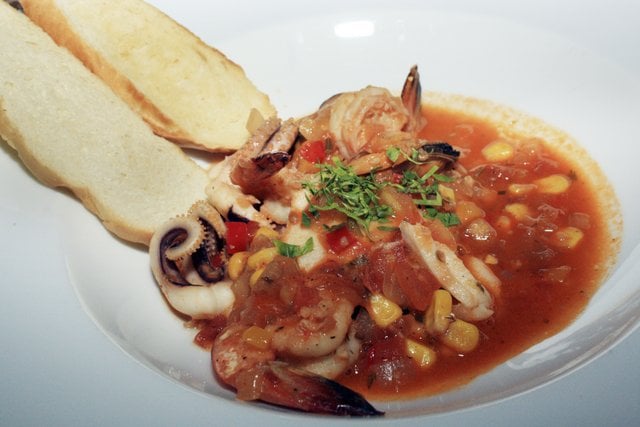
The third course was full-on Afrikaans in concept: a Potjiekos. This means, literally, “food in a pot”.
My dinner neighbour, Allan Riddell, director of the South African-Thai Chamber of Commerce explained: “During the time of the Voortrekkers, when the Dutch were still exploring the country, they would draw the wagon up in a laager at night – circle the wagons, then cook potjiekos with whatever food they had to hand.”
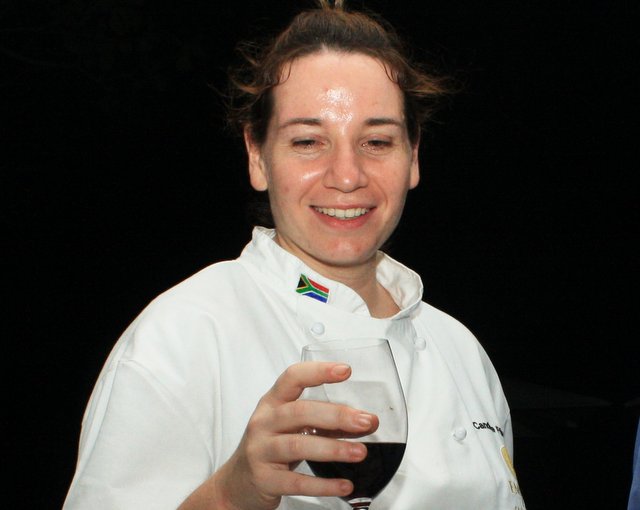
A stew, in other words. In this case, the leader of the team in the kitchen, Candice Friedman, went for seafood. The result was similar to bouillabaisse, without the roux. Toothsome, especially with the Madame Marlbrook from Klein Constantia, a mix of Semillon and Sauvignon grapes.
The main event was a serious piece of work: crisp rooibos-tea-smoked pork belly. The pork is first smoked over coconut chips and rooibos (red bush) tea leaves, then pressed for 24 hours to remove a lot of the excess moisture and fattiness, then roasted, then sliced and finally, seared.
A wonderful smoky flavour, and served with Cape Malay curried samp cake (sort of a South African take of hominy) and a big red – Chocolate Block, a powerful Syrah-based blend.
Finally, dessert of Amarula cheesecake with a duo of ice cream. Amarula is a South African cream liqueur, while the ice creams were flavoured with powerful peppermint in one side and, on the other, Bar 1 – a local version of the Mars bar.
To wash it down, Vin Naturel de Constance from Klein Constantia. This, Allan explains, is said to be the last wine drunk by Napoleon Bonaparte before he died in exile on the island of St Helena.
Not this precise bottle, of course. But still, an interesting end to an interesting and fulfilling evening in both physical and metaphorical senses.